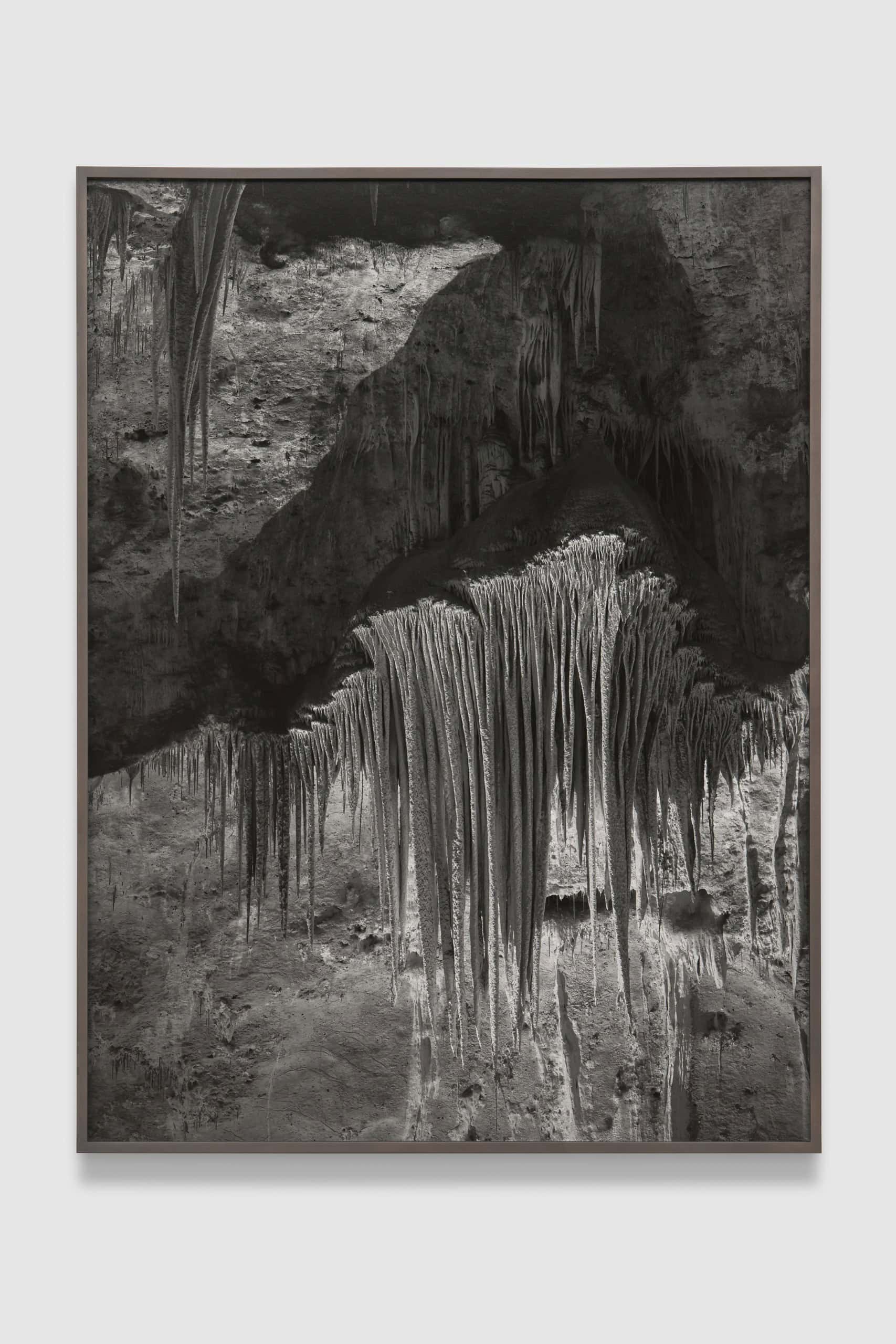
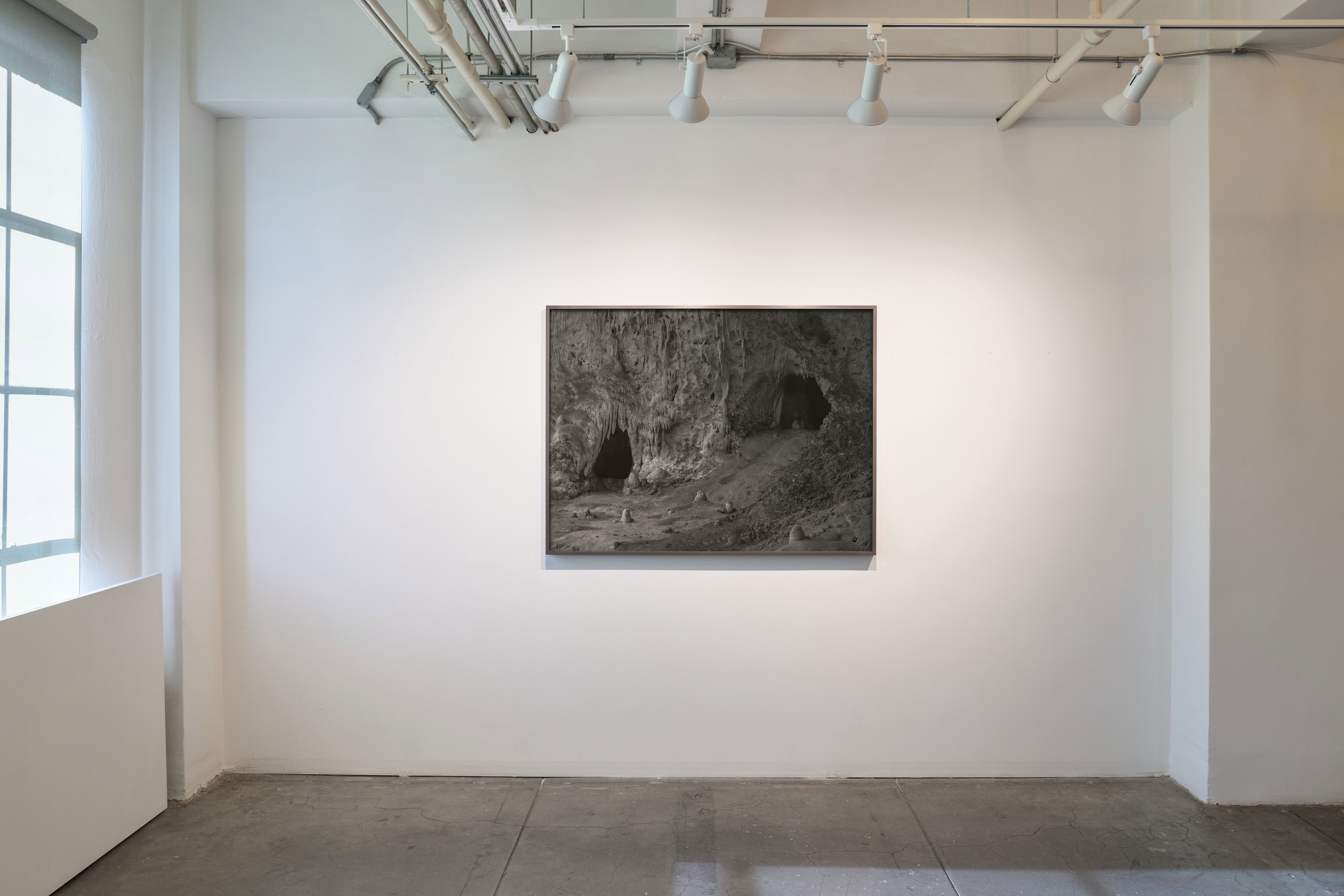
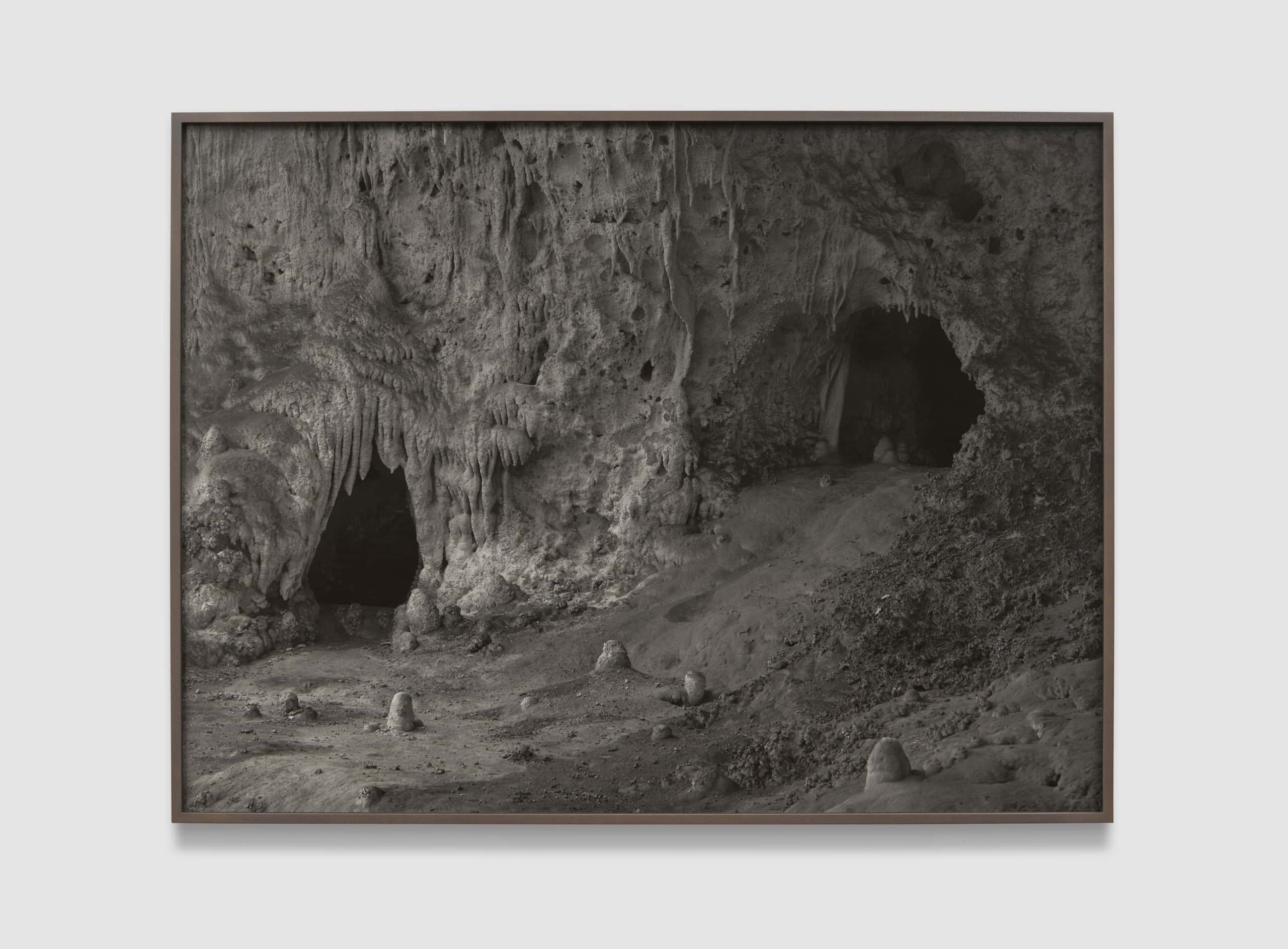
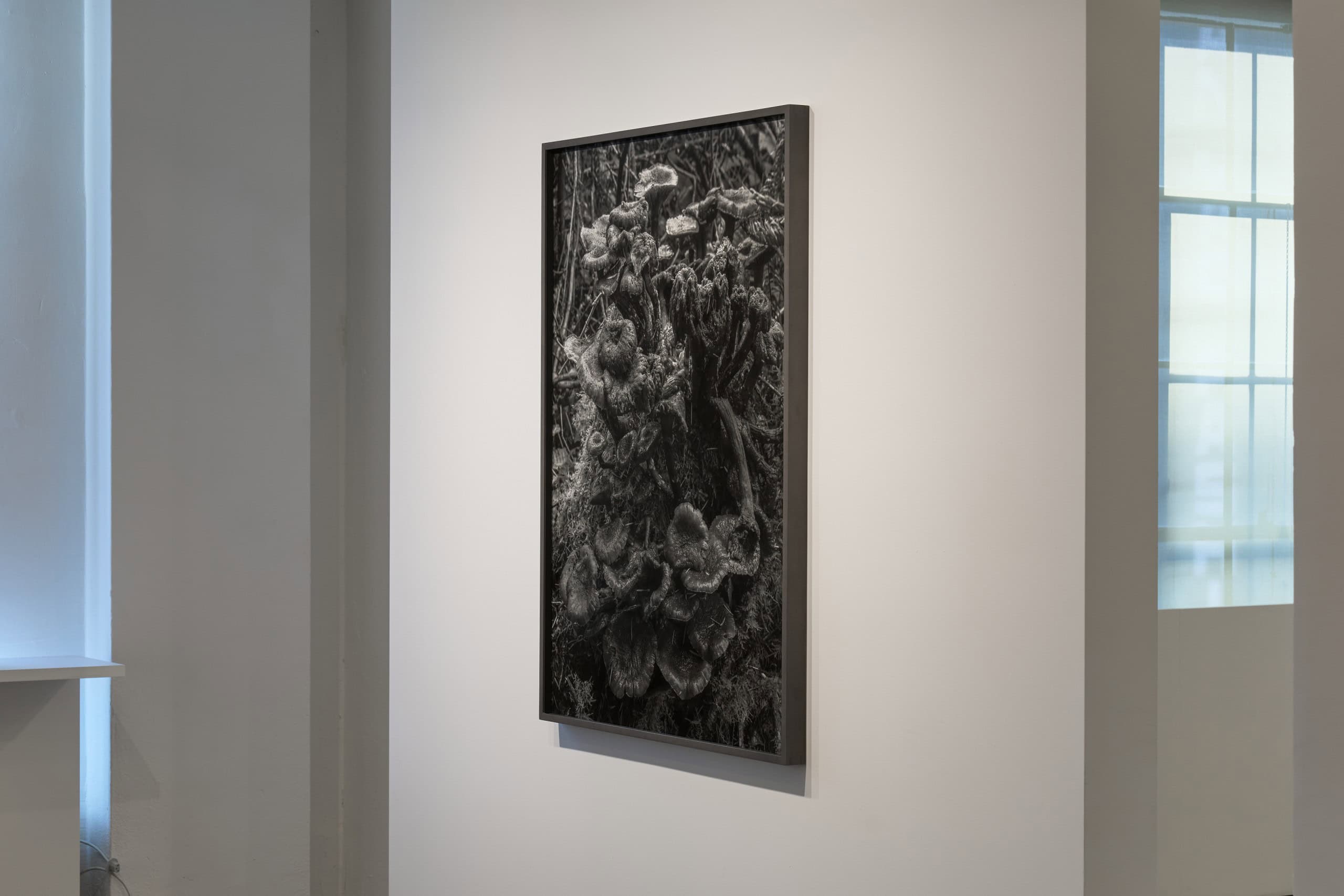
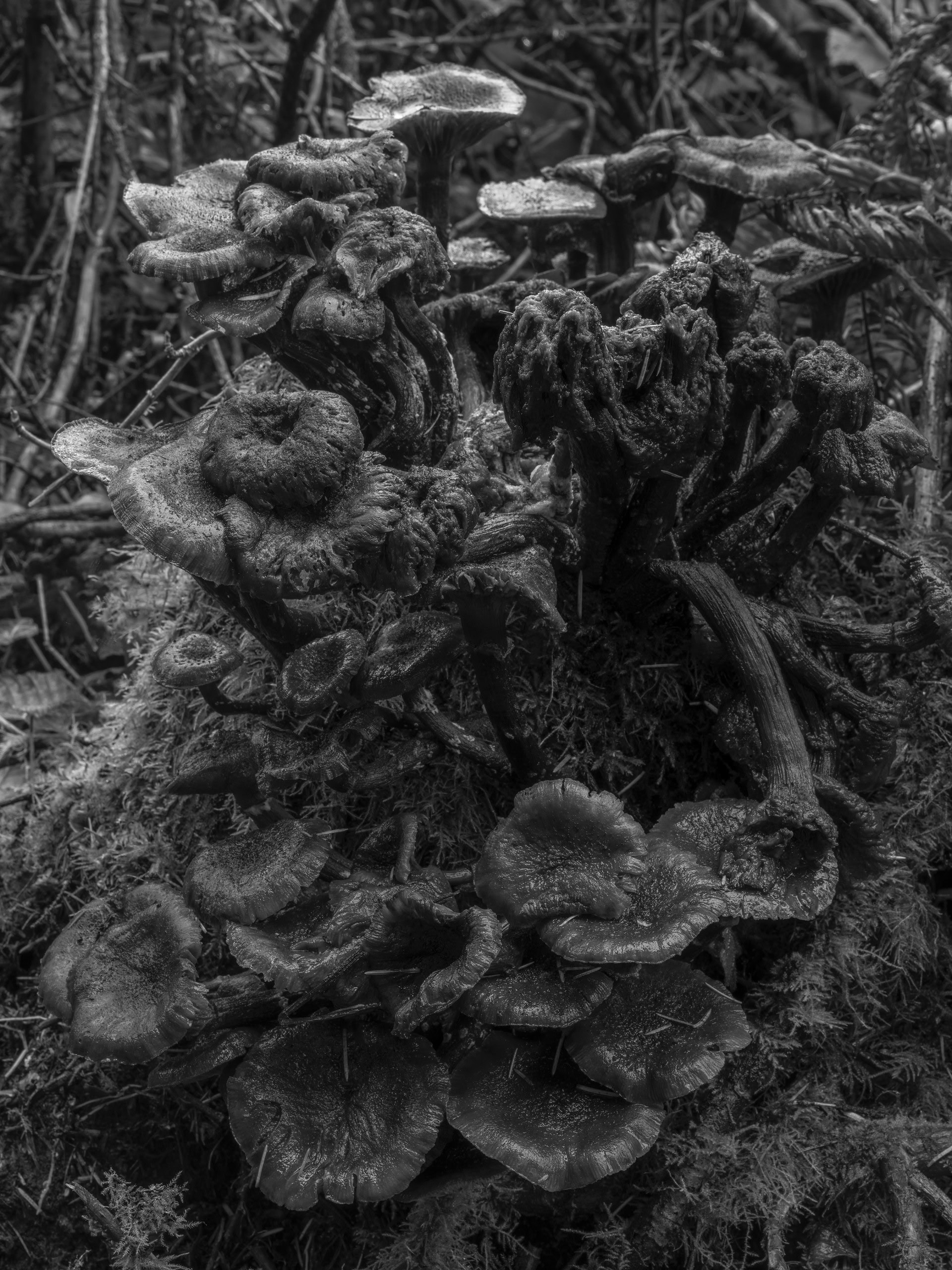

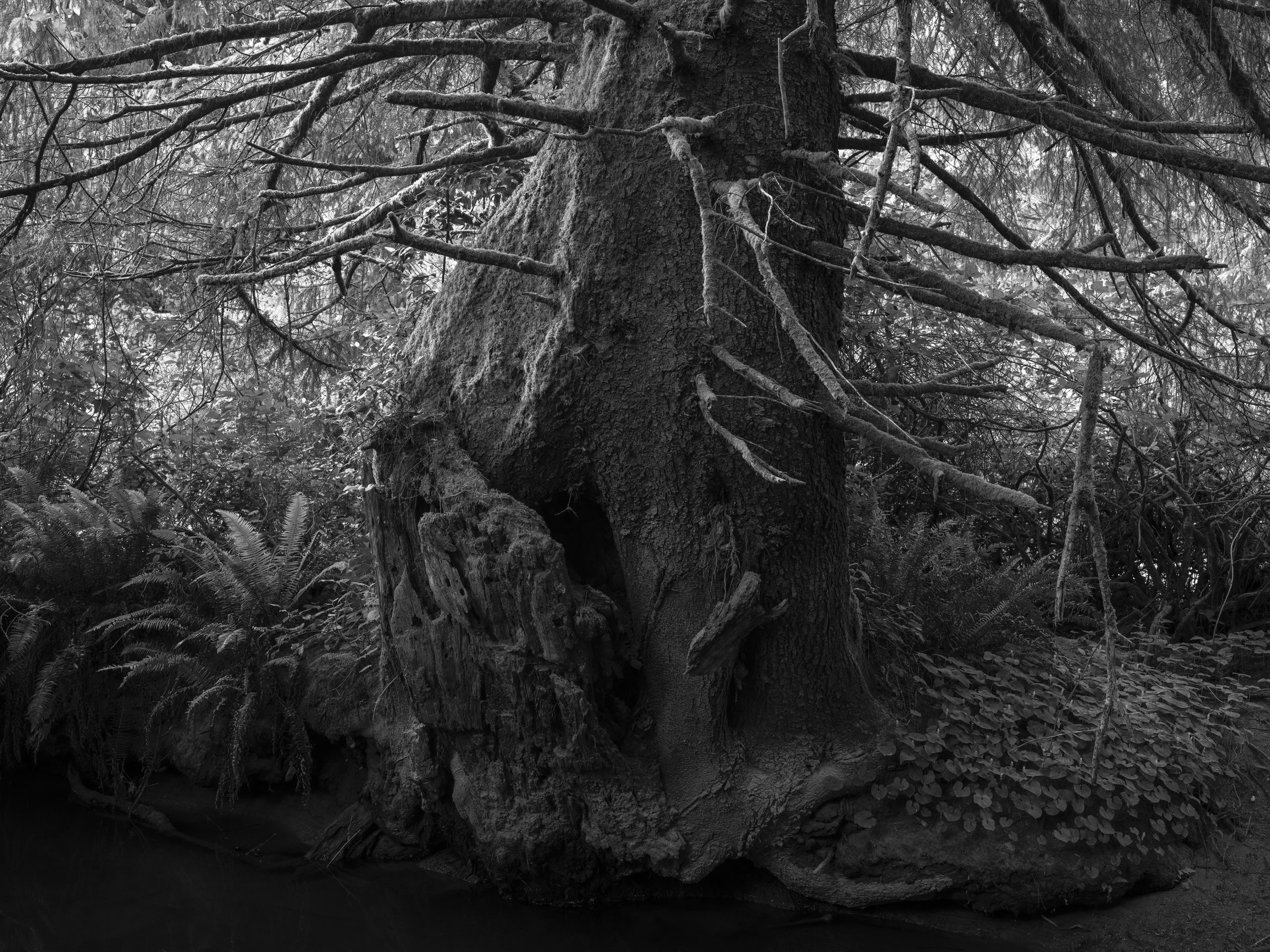
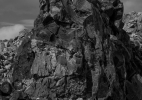
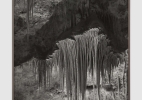

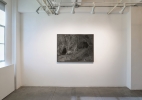
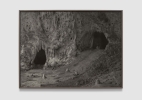



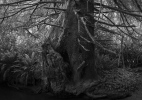


 , 2023
Gelatin silver print
37.5 x 50 in.
Edition of 3%0D%0A%0D%0AFrom page: https://galleryluisotti.com/exhibitions/ron-jude-low-tide/%0D%0A%0D%0A------------%0D%0A%0D%0APlease add your message and contact information below : %0D%0A%0D%0A%0D%0A%0D%0A%0D%0A%0D%0A)

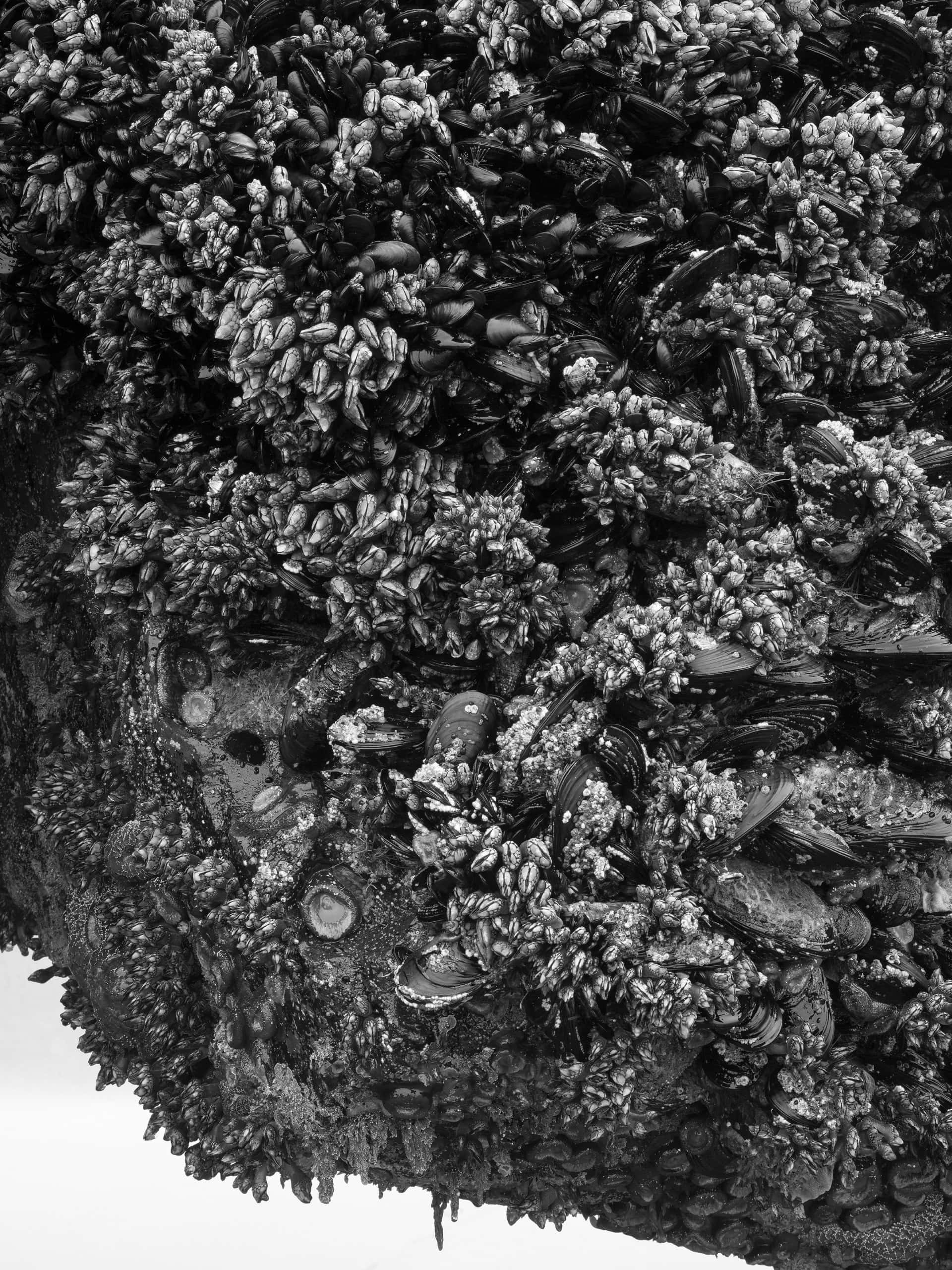
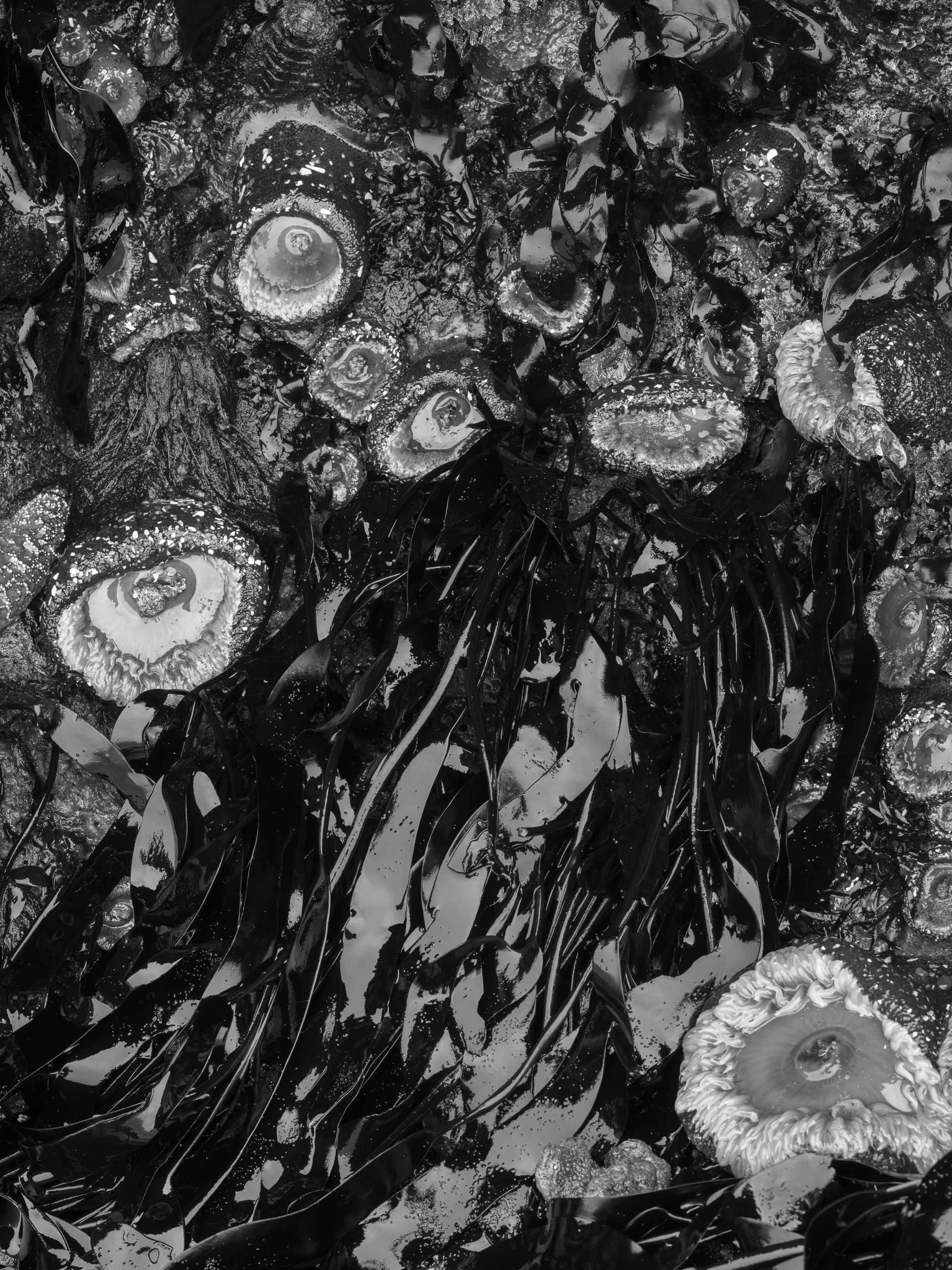
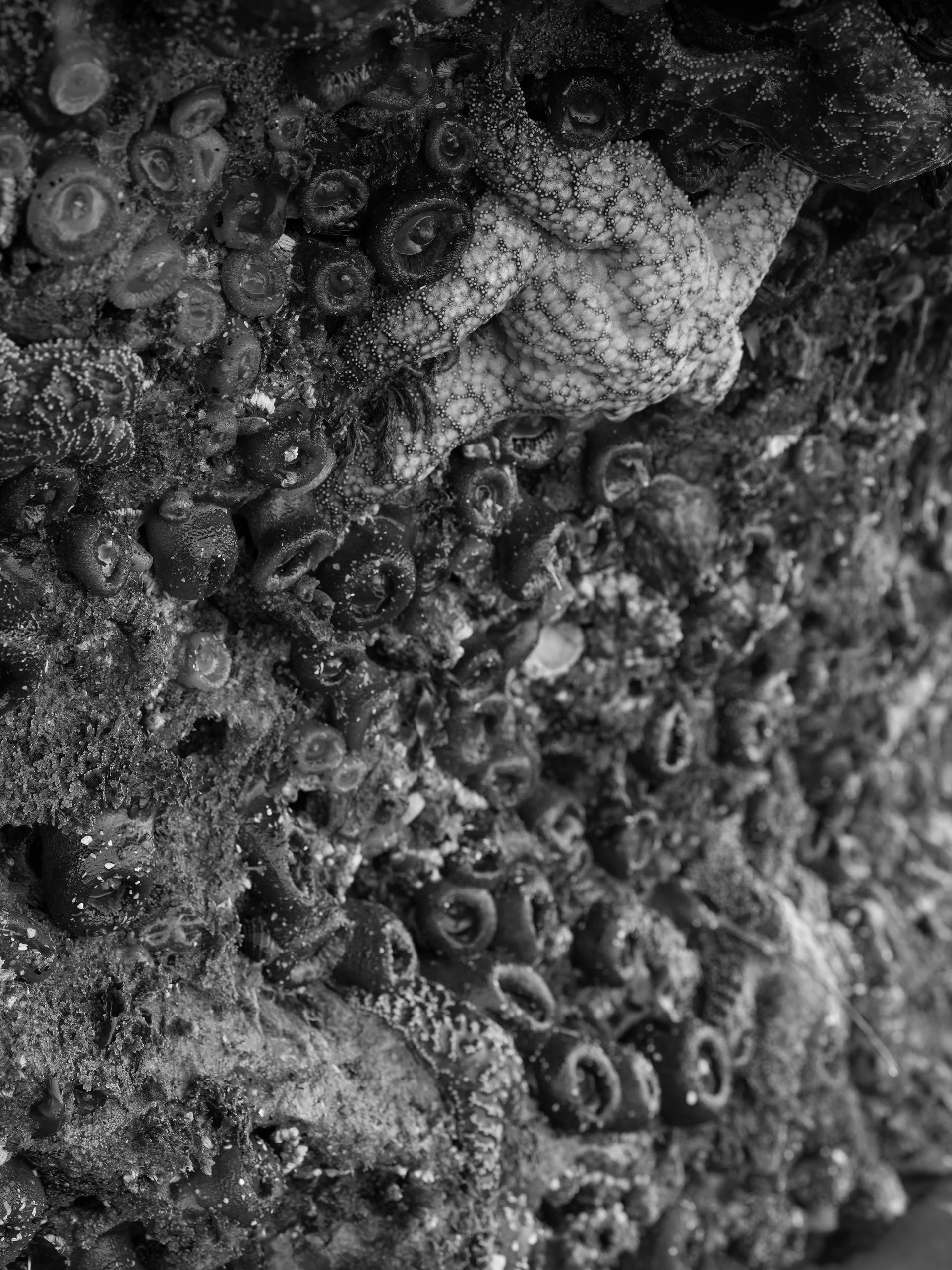
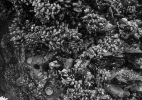
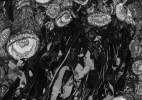
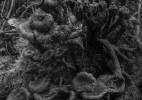
_40x30&body=%0D%0AI would like more information about purchasing : Jude_Low Tide (Sea Anenome:Kelp)_40x30%0D%0A%0D%0A------------%0D%0A%0D%0AImage: https://galleryluisotti.com/wordpress/wp-content/uploads/2025/12/Jude_Low-Tide-Sea-AnenomeKelp_40x30-scaled.jpg%0D%0A%0D%0ACaption: Low Tide (Sea Anemone/Kelp) , 2025
Gelatin silver print
40 x 30 in.
Edition of 3%0D%0A%0D%0AFrom page: https://galleryluisotti.com/exhibitions/ron-jude-low-tide/%0D%0A%0D%0A------------%0D%0A%0D%0APlease add your message and contact information below : %0D%0A%0D%0A%0D%0A%0D%0A%0D%0A%0D%0A)


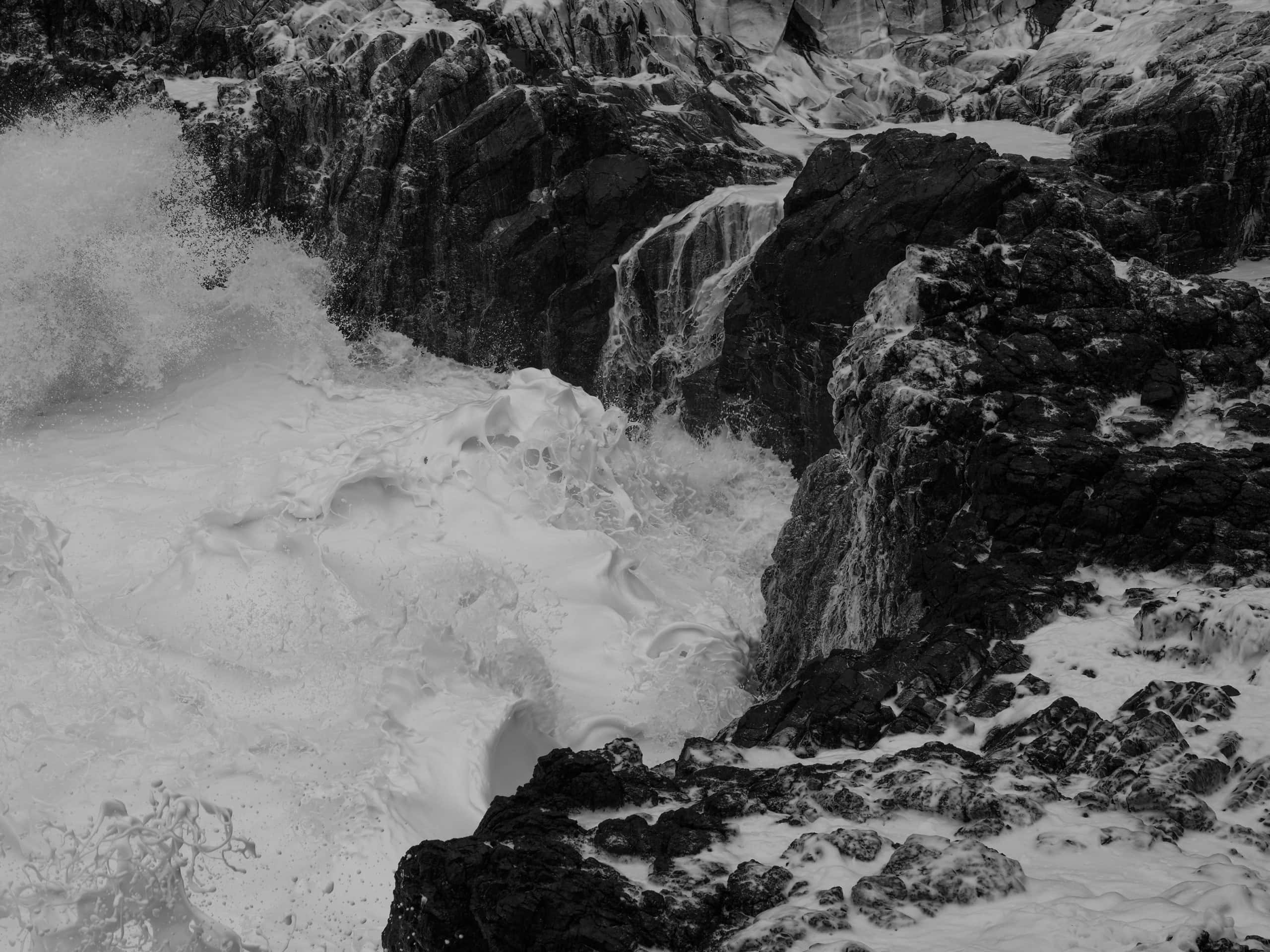
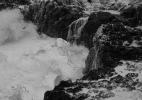
_24x18&body=%0D%0AI would like more information about purchasing : Jude_Low Tide (Starfish)_24x18%0D%0A%0D%0A------------%0D%0A%0D%0AImage: https://galleryluisotti.com/wordpress/wp-content/uploads/2025/12/Jude_Low-Tide-Starfish_24x18-scaled.jpg%0D%0A%0D%0ACaption: Low Tide (Starfish) , 2023
Gelatin silver print
37.5 x 50 in.
Edition of 3%0D%0A%0D%0AFrom page: https://galleryluisotti.com/exhibitions/ron-jude-low-tide/%0D%0A%0D%0A------------%0D%0A%0D%0APlease add your message and contact information below : %0D%0A%0D%0A%0D%0A%0D%0A%0D%0A%0D%0A)

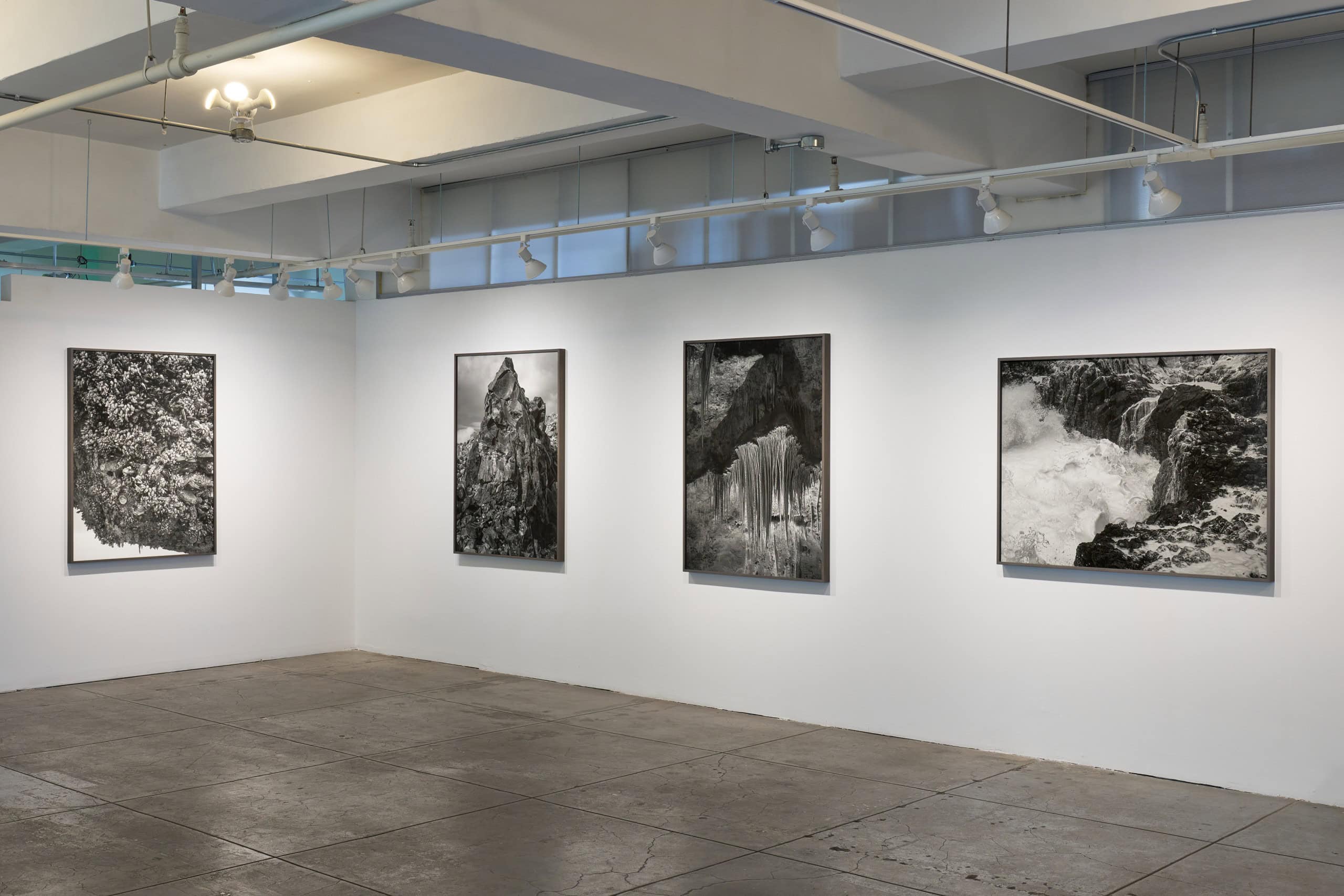
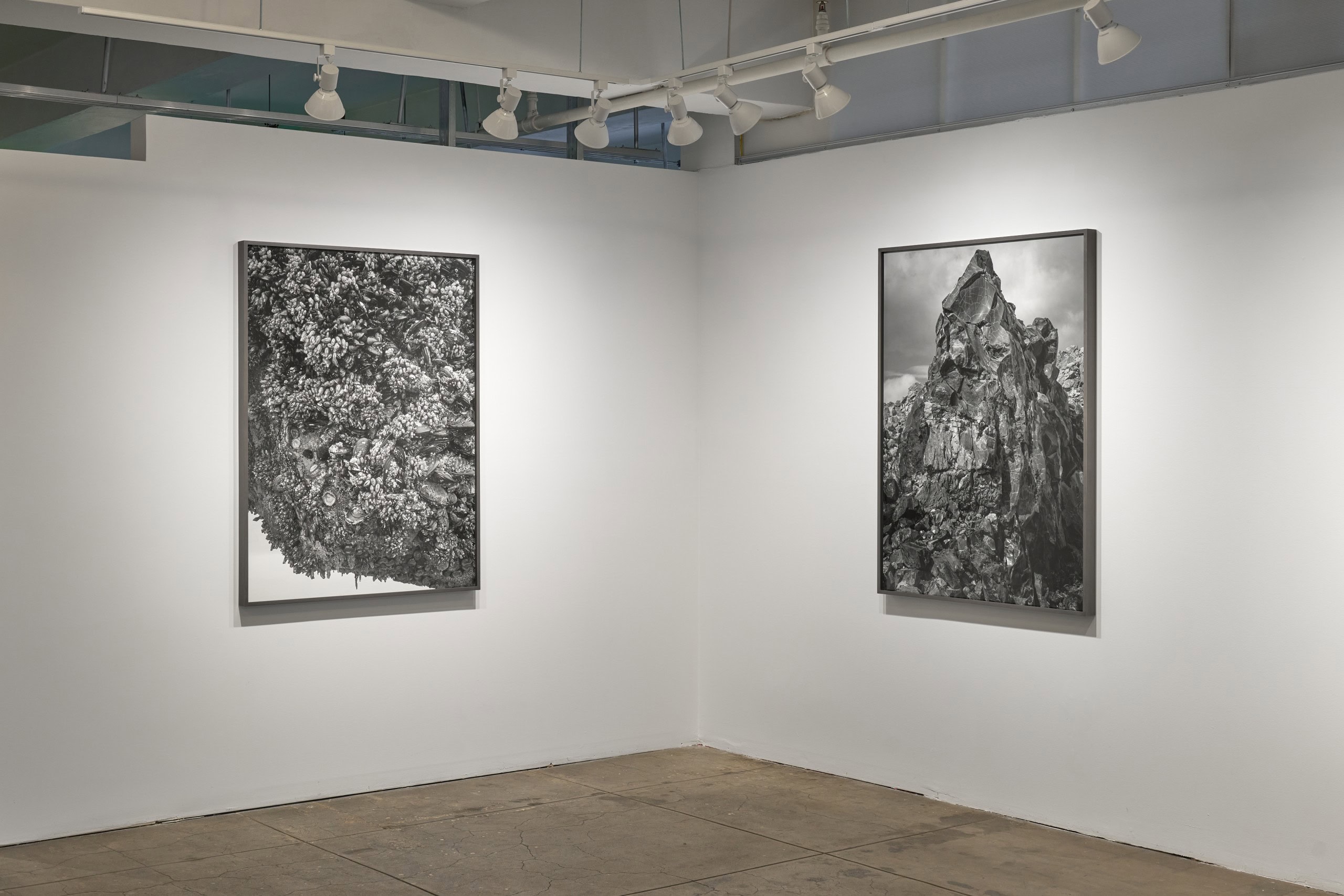
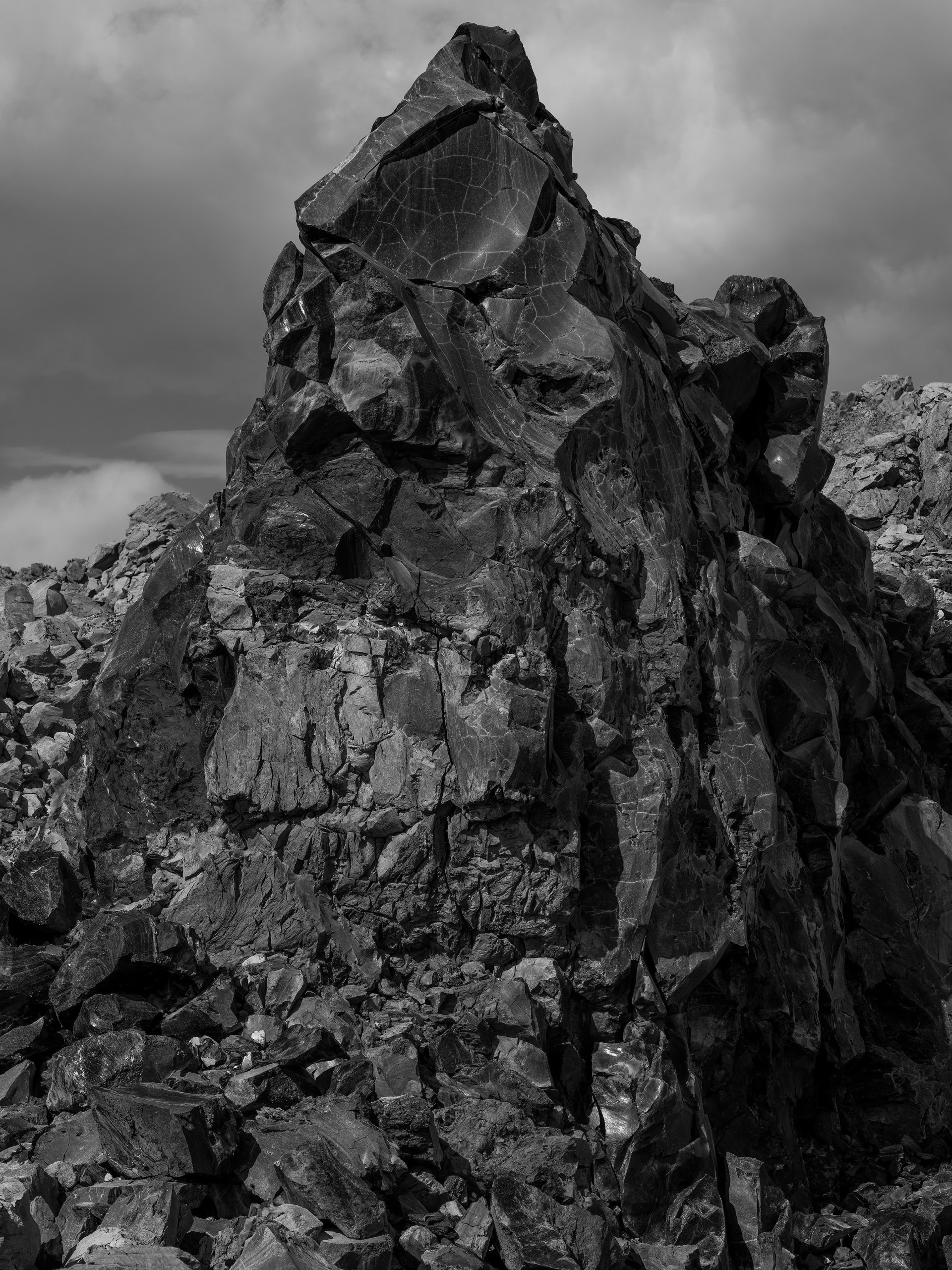
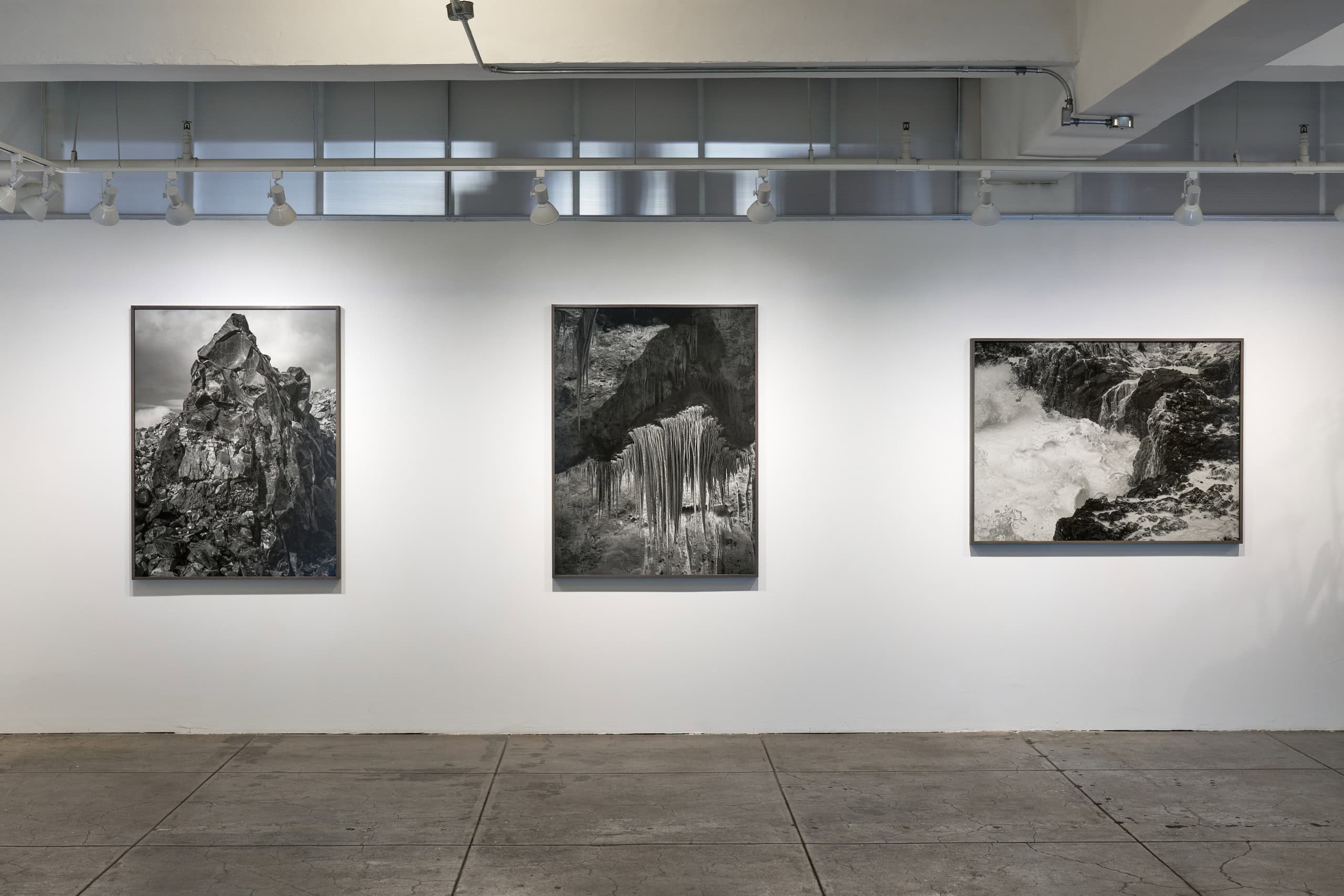
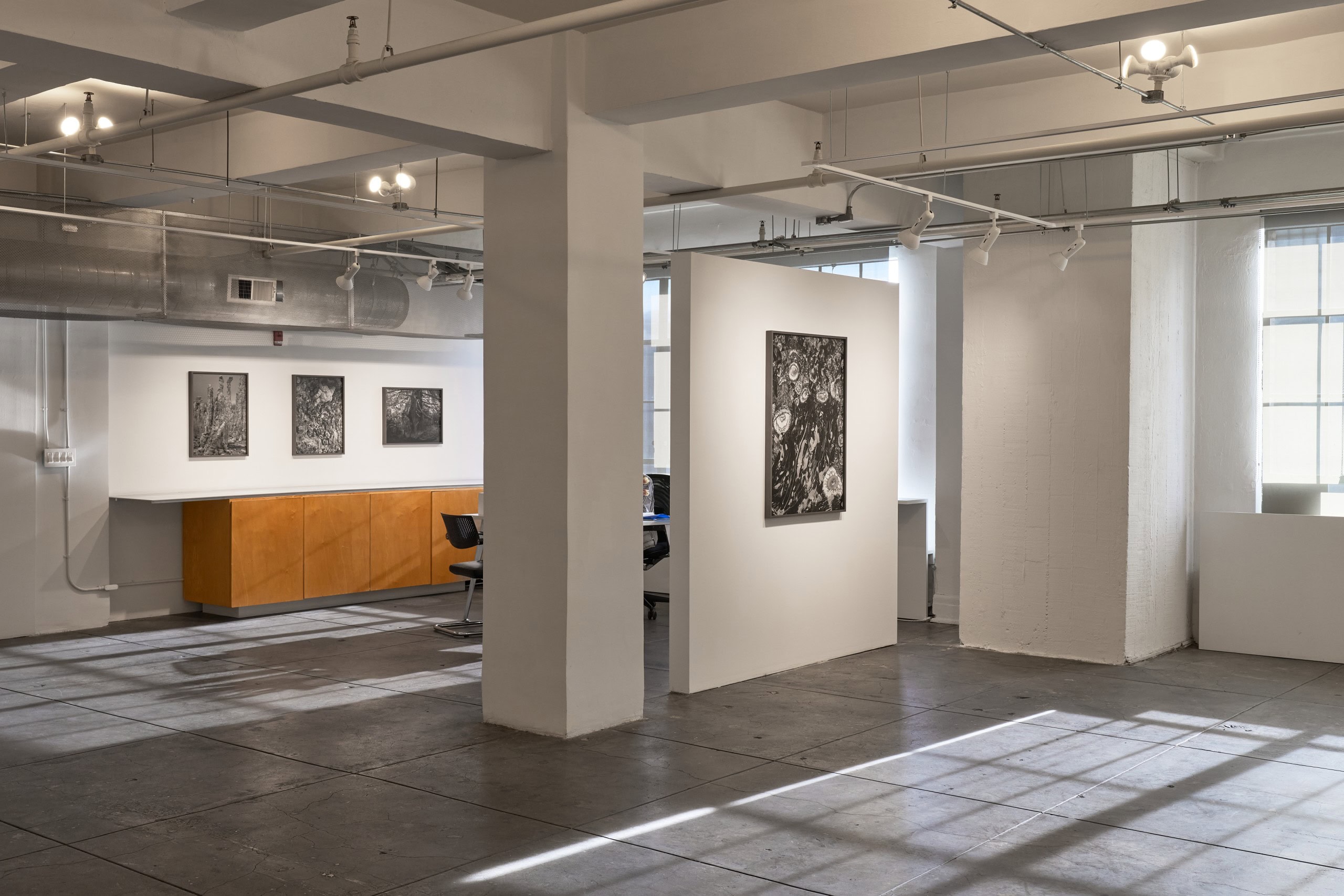
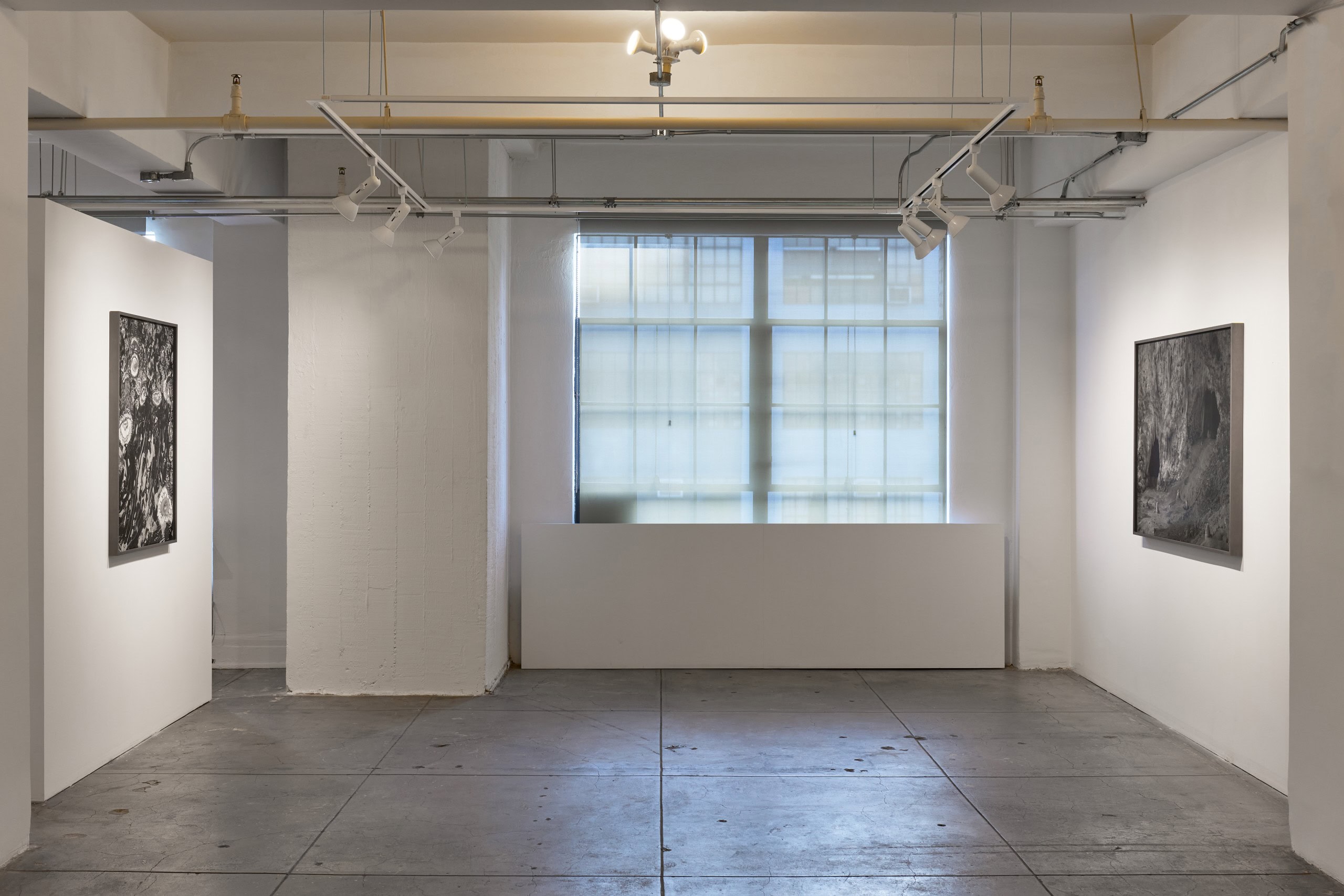
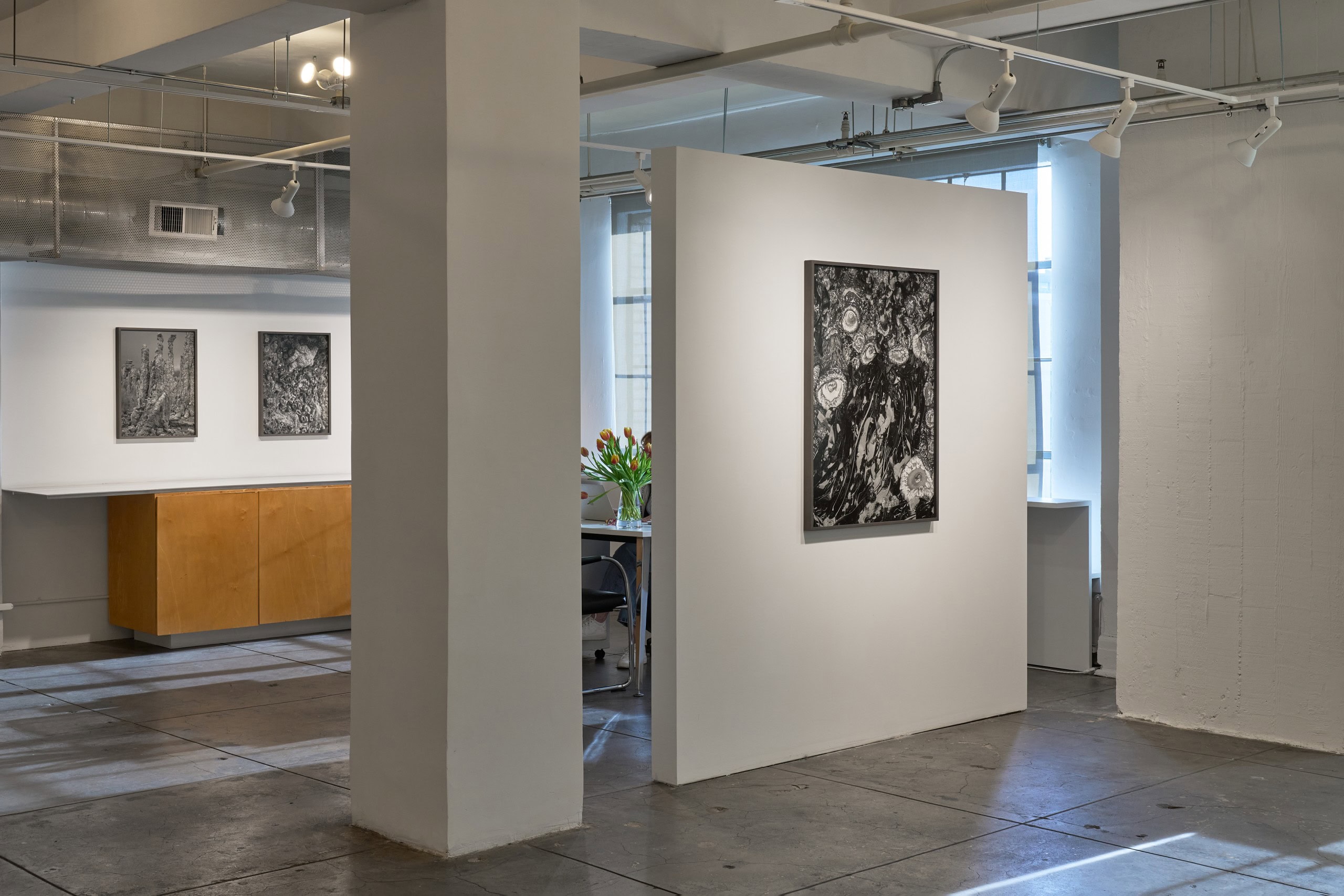
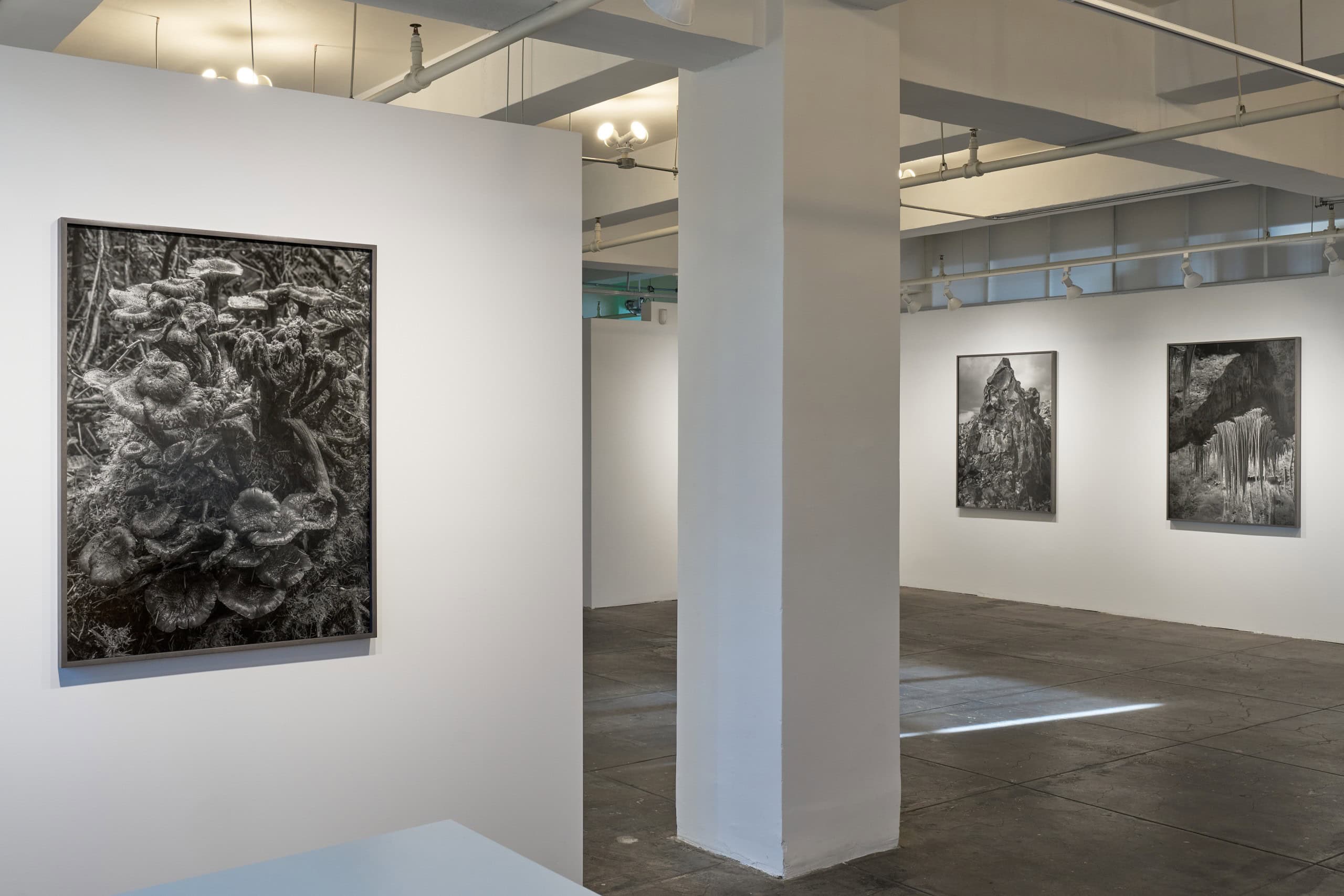
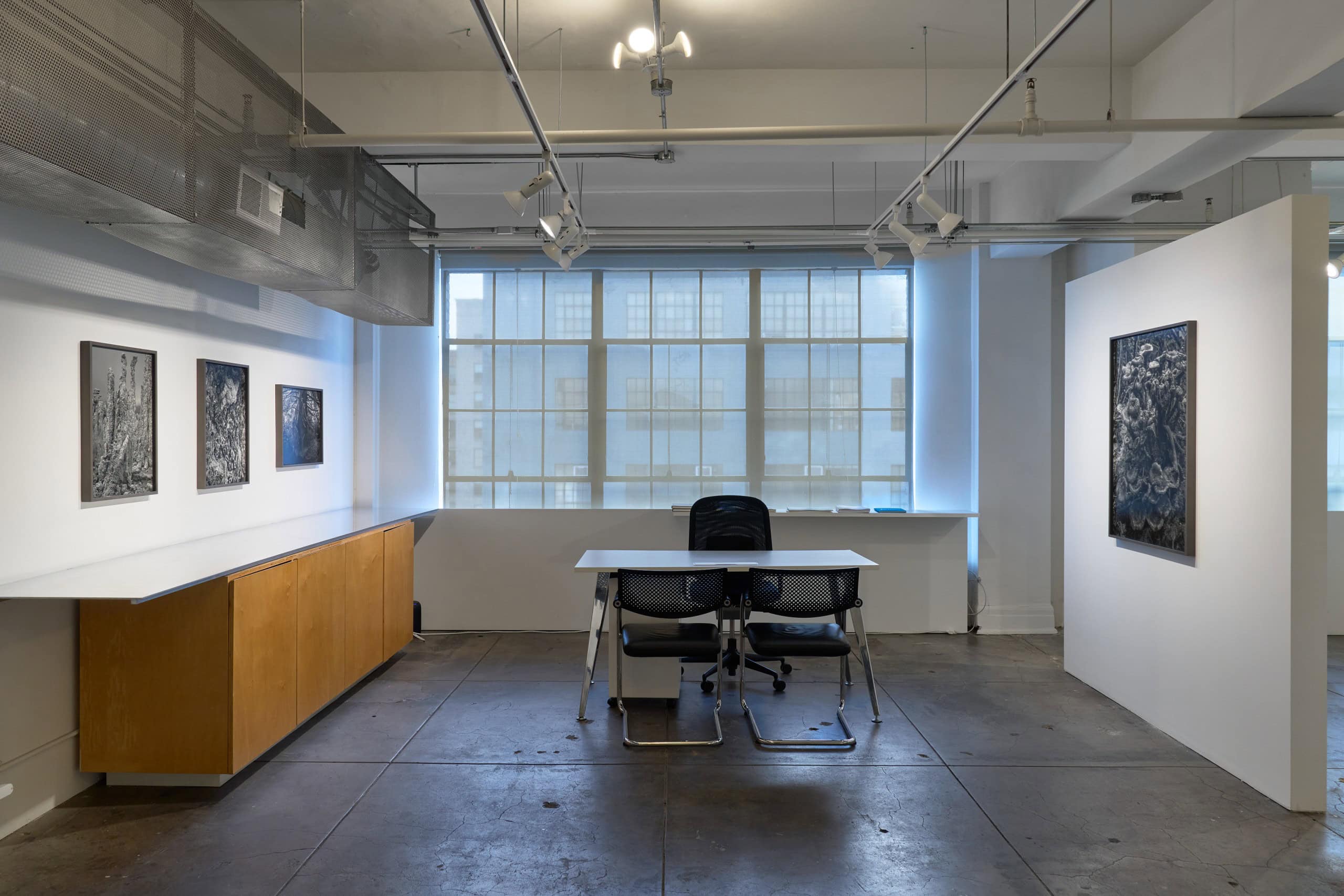
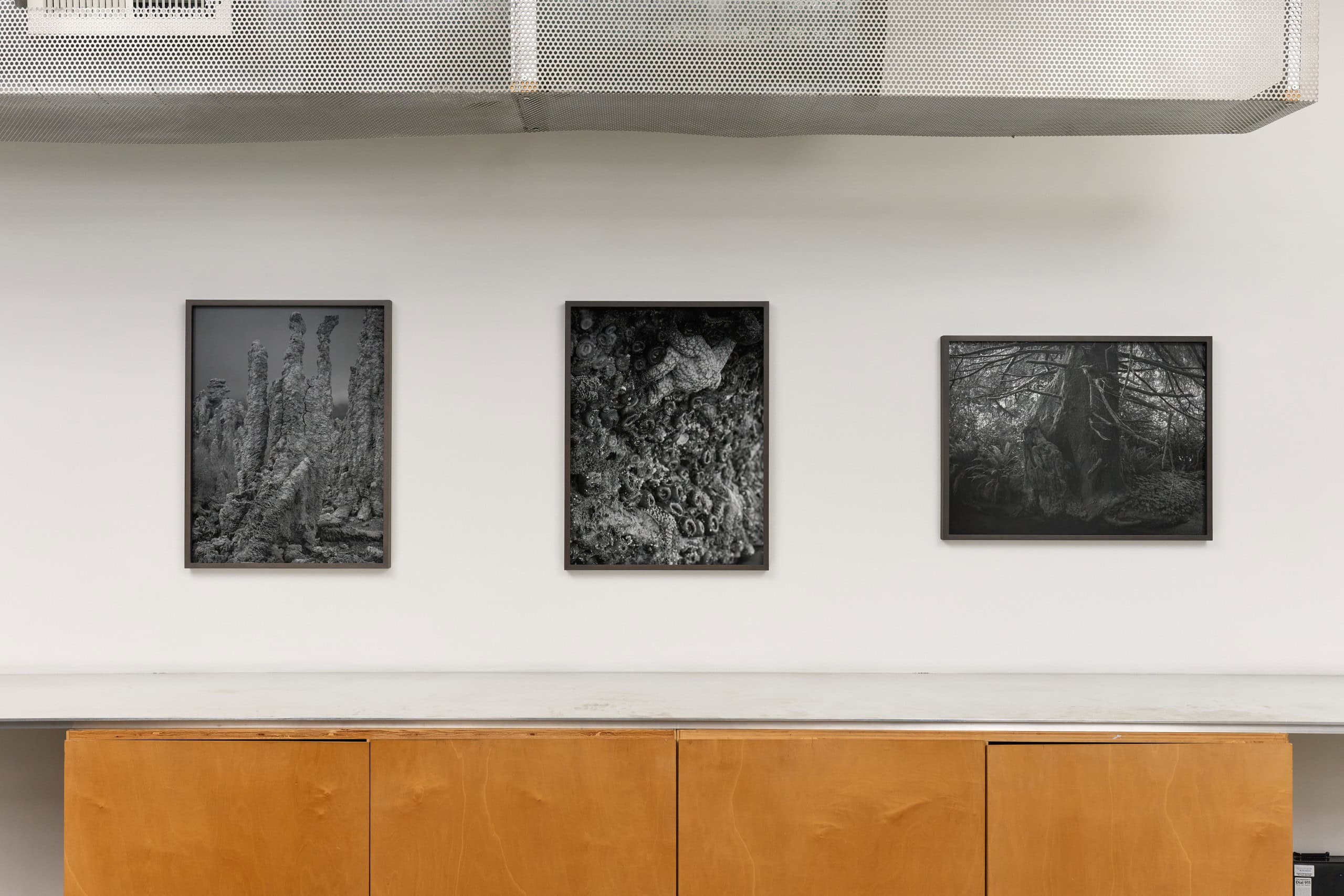
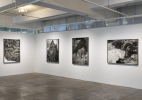
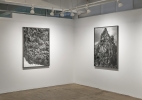
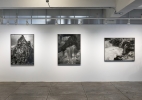
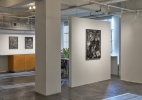
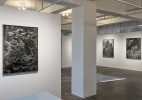
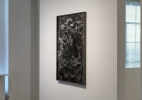
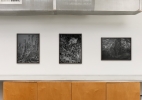
Gallery Luisotti is pleased to present Low Tide, an exhibition of new photographs by Ron Jude. The works in this series draw from the intertidal zone as both a physical and conceptual framework, considering landscapes shaped by processes of exposure, erosion, and accumulation. In addition to depicting the temporary environments revealed by the ebbing tide, the photographs trace moments when underlying structures, materials, and forces—geological, organic, and temporal—are made perceptible, whether along the shoreline or in analogous environments elsewhere.
Low Tide dovetails with Jude’s earlier body of work, 12 Hz, in which he examined the basic materials and mechanics of the planet through a consideration of perception and scale. While 12 Hz centered on geological forces operating beyond human awareness, the photographs in Low Tide shift toward sites where organic life emerges within those same structures. Rocks and water give way to fungi, sea anemones, and coastal forest growth, extending the concerns introduced in the Forest Floor epilogue of Jude’s 12 Hz monograph (2020).
The title Low Tide refers to the literal conditions depicted in many of the images, while also suggesting a broader state of exposure. As the ocean surface recedes, terrestrial and marine systems are compressed into a single visual field, offering brief access to deep structures. These landscapes are not created by the tide so much as revealed by its absence, emphasizing processes that unfold independent of human intervention.
Jude’s photographs operate on a temporal scale that dwarfs human experience. By removing anthropocentric markers—there are no figures, no architecture, and no overt narrative—his work resists moralizing or documentary impulses. Instead, the images register slow, continuous change, foregrounding tension, instability, and duration as primary conditions of the landscape.
Furthering the visual vocabulary established in his earlier landscape work, Jude adopts an approach that favors ambiguity and subconscious association over rational description. His use of compressed space, uncertain scale, and heightened contrast recalls the Surrealist-inspired landscape photographs of Frederick Sommer, whose mid-century work similarly rejected stable points of reference. In Low Tide, this sensibility produces images that are at once austere and foreboding, underscoring ontological questions that recur throughout Jude’s practice.
While Low Tide avoids overt political or environmental narrative, the images carry an undercurrent of unease that reflects the present moment. The recurring condition of exposure—rock beds laid bare, marine life stranded between states, ecosystems momentarily suspended—echoes a broader sense of instability shaped by ecological precarity and political strain. Rather than illustrating crisis, Jude allows anxiety to surface obliquely, embedded in the images’ tension and compression. In this way, Low Tide registers not an event, but a feeling: a low point in the cycle where vulnerability becomes visible, and where the forces shaping the world briefly reveal themselves before receding again.