










 , 1977/2020
Archival pigment print
44 x 54 inches
Edition 1 of 3 + 2 AP
%0D%0A%0D%0AFrom page: https://galleryluisotti.com/exhibitions/john-divola-sheila/%0D%0A%0D%0A------------%0D%0A%0D%0APlease add your message and contact information below : %0D%0A%0D%0A%0D%0A%0D%0A%0D%0A%0D%0A)


&body=%0D%0AI would like more information about purchasing : SV02_1976_(Nude back_Mojave Desert_16x20)%0D%0A%0D%0A------------%0D%0A%0D%0AImage: https://galleryluisotti.com/wordpress/wp-content/uploads/2026/11/SV02_1976_Nude-back_Mojave-Desert_16x20.jpg%0D%0A%0D%0ACaption: SV02 , 1977
Vintage gelatin silver print
16 x 20 inches
Uneditioned%0D%0A%0D%0AFrom page: https://galleryluisotti.com/exhibitions/john-divola-sheila/%0D%0A%0D%0A------------%0D%0A%0D%0APlease add your message and contact information below : %0D%0A%0D%0A%0D%0A%0D%0A%0D%0A%0D%0A)
 , 1977/2026
Archival pigment print
22 x 22 inches
Edition 1 of 3 + 2 AP%0D%0A%0D%0AFrom page: https://galleryluisotti.com/exhibitions/john-divola-sheila/%0D%0A%0D%0A------------%0D%0A%0D%0APlease add your message and contact information below : %0D%0A%0D%0A%0D%0A%0D%0A%0D%0A%0D%0A)


John Divola: Sheila
November 7, 2026 – January 9, 2027
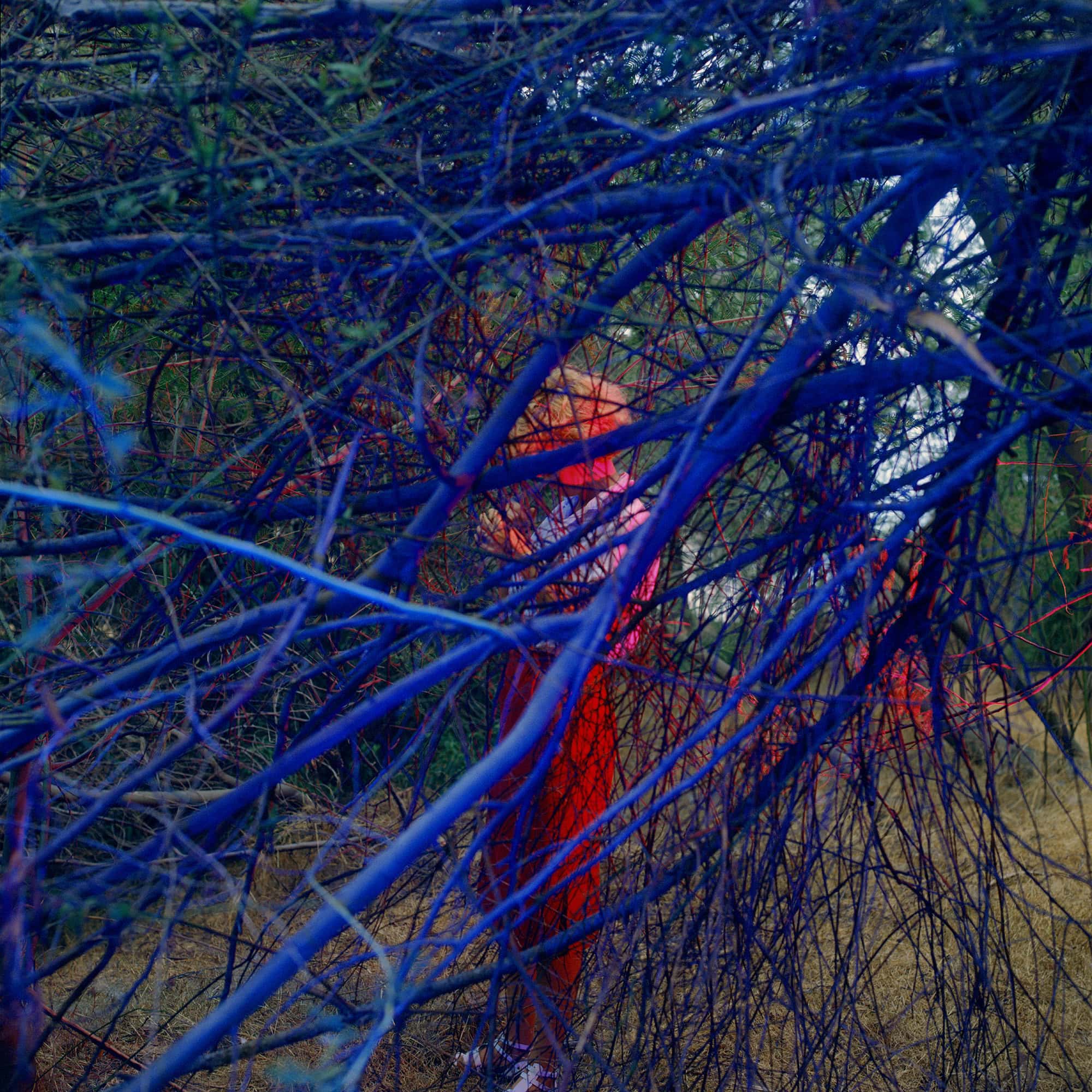
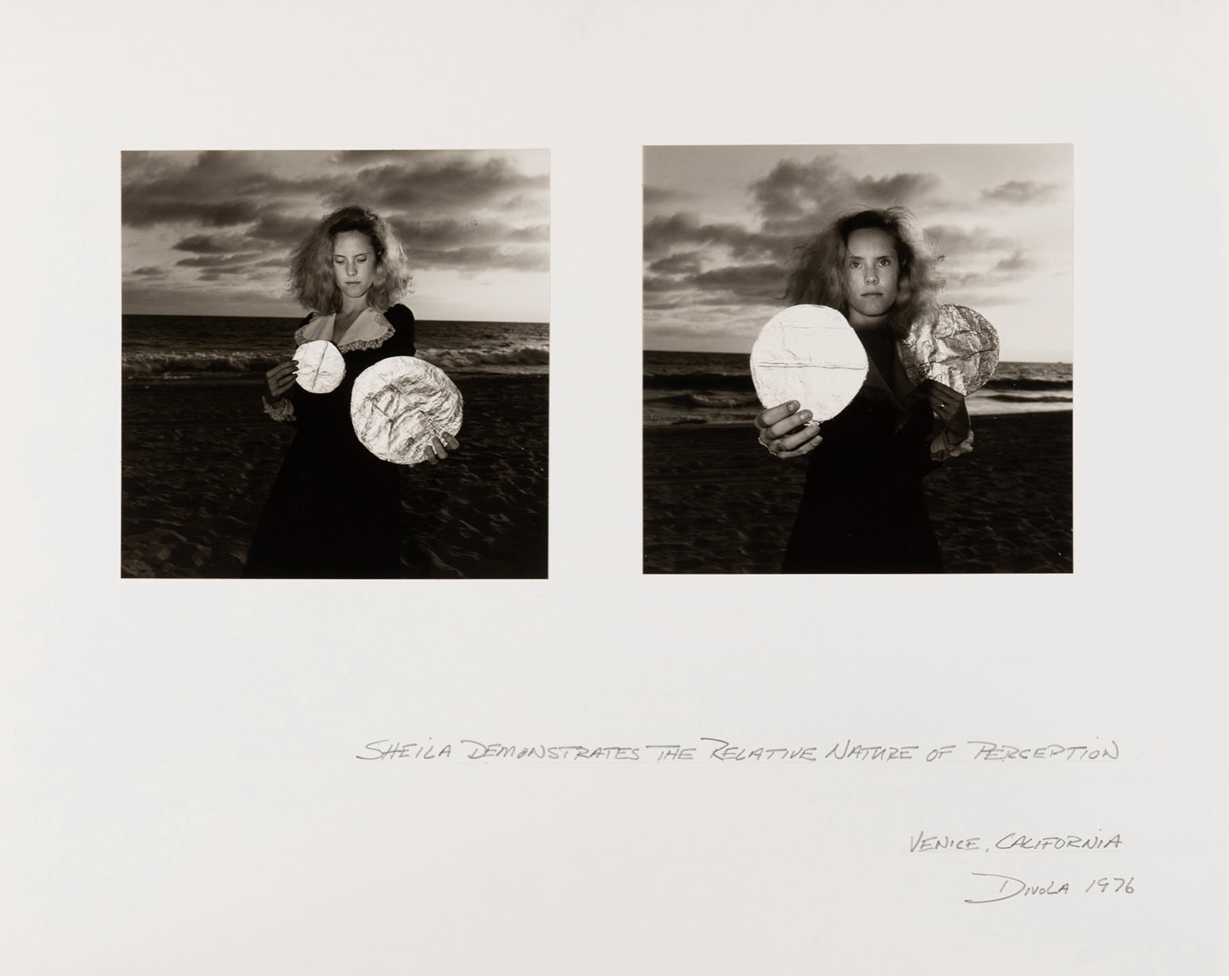
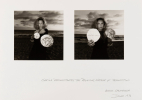
She stands on the sand at Venice, California, holding a pair of glowing discs toward the camera, and in the second frame she holds them again, a little differently. A handwritten caption on the mount reads, “Sheila Demonstrates the Relative Nature of Perception.” It is a joke and a proposal: the person in front of the lens is part of the experiment. Sheila, Divola’s fifth solo exhibition with the gallery, accompanies a new book from TBW and brings together portraits of the artist’s then-wife, made between 1976 and 1984, alongside related works from his photographic practice. “Most of the photographs of her were never exhibited,” Divola writes in the book. “I do not recall ever having that intention.”
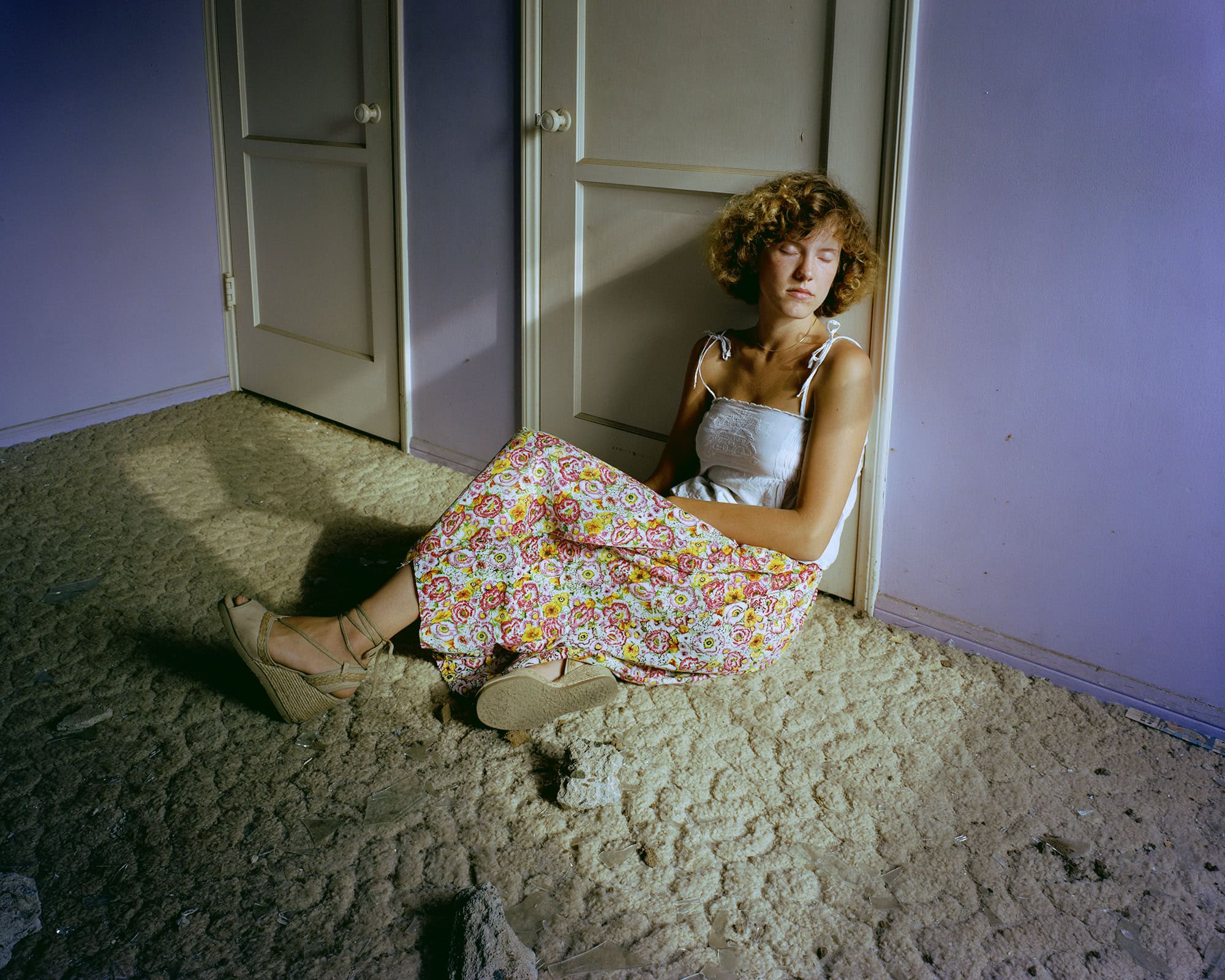
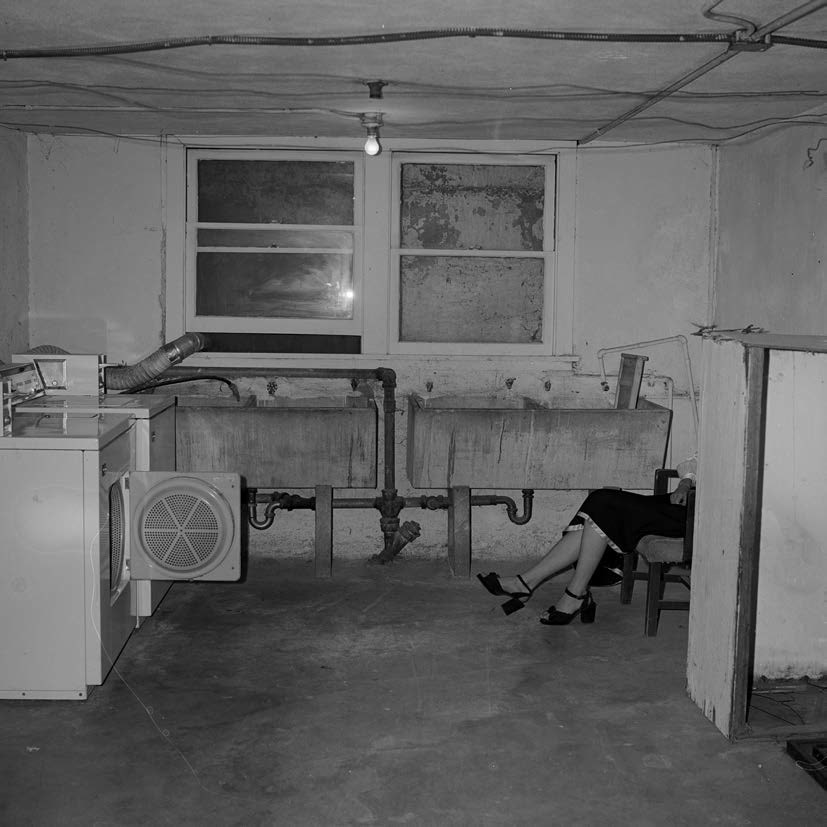
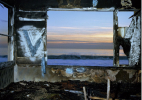
From there she turns up wherever he was working. She sits in a gutted basement laundry room and, in a floral skirt, on the carpet of an emptied room with purple walls in the LAX Noise Abatement Zone. She stands at a stucco wall painted with the words LISTENING and SCREAMING. In the doorway of a wrecked house on Zuma Beach she is a silhouette against the sunset. In the chaparral surrounding Los Angeles, lit red and half-hidden in blue-cast brush at night, she is barely a figure at all.
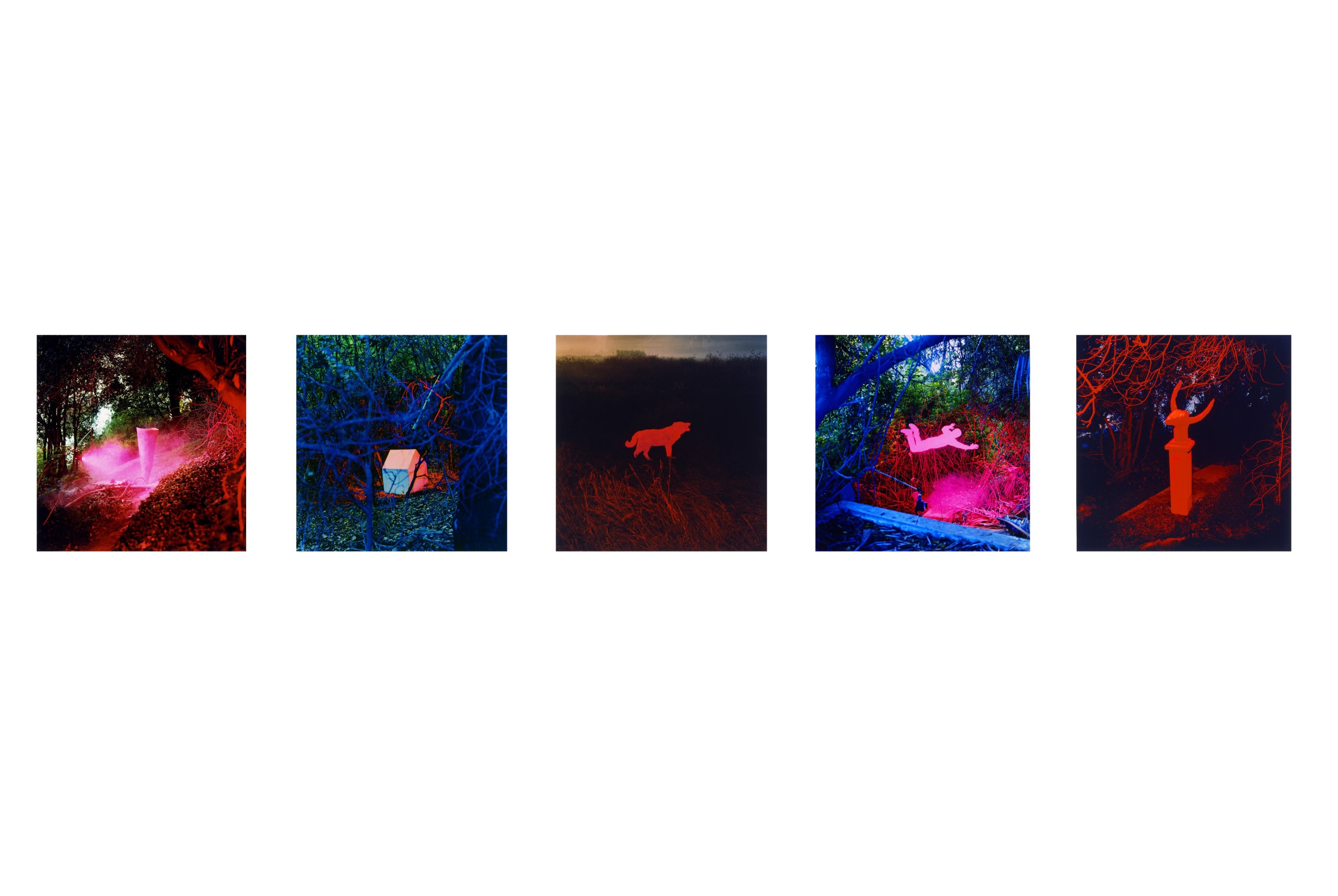
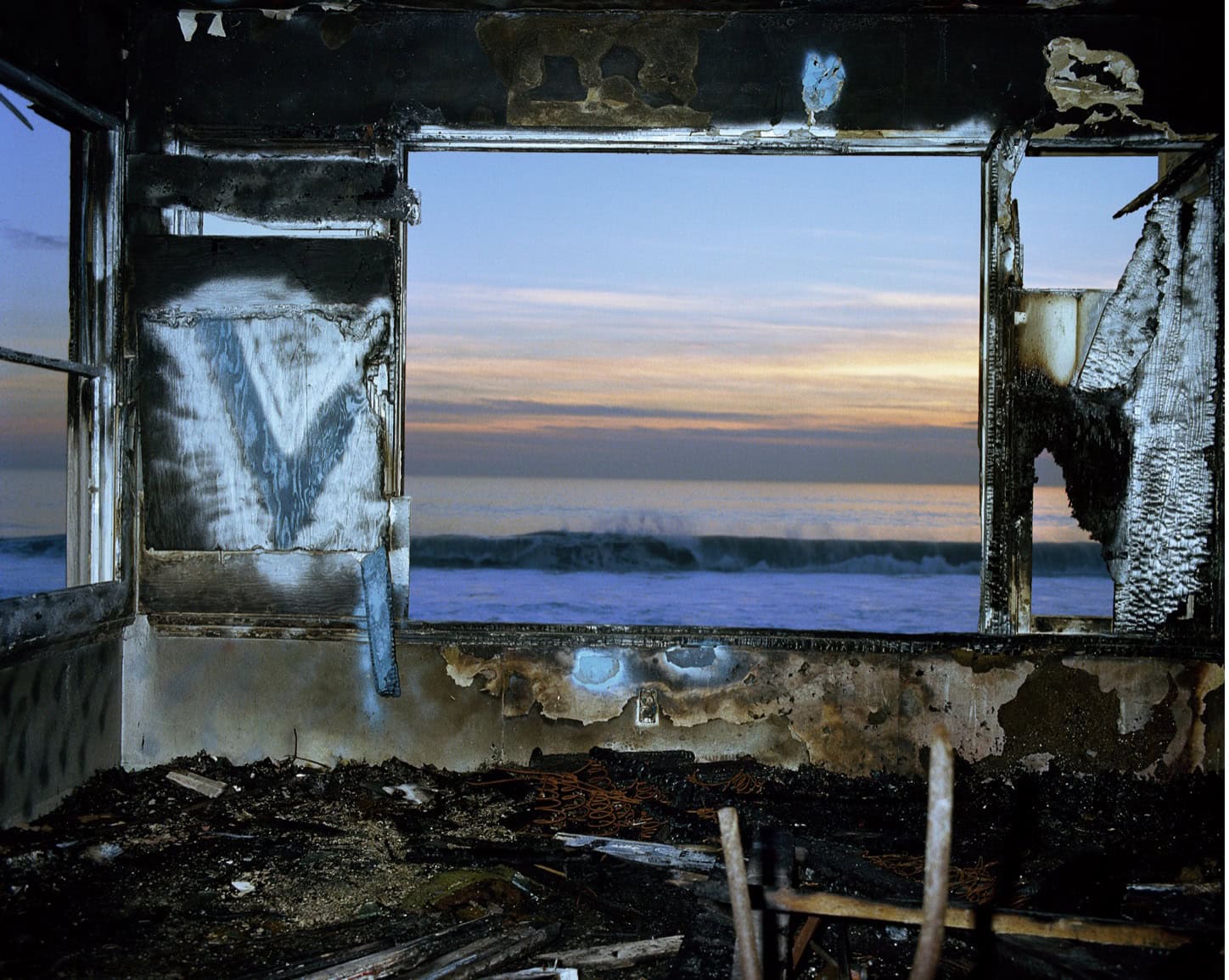
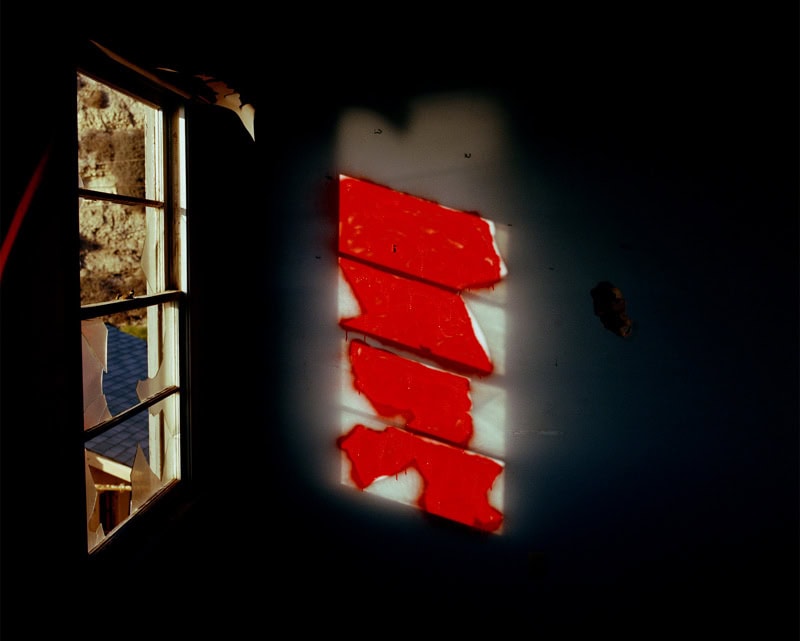
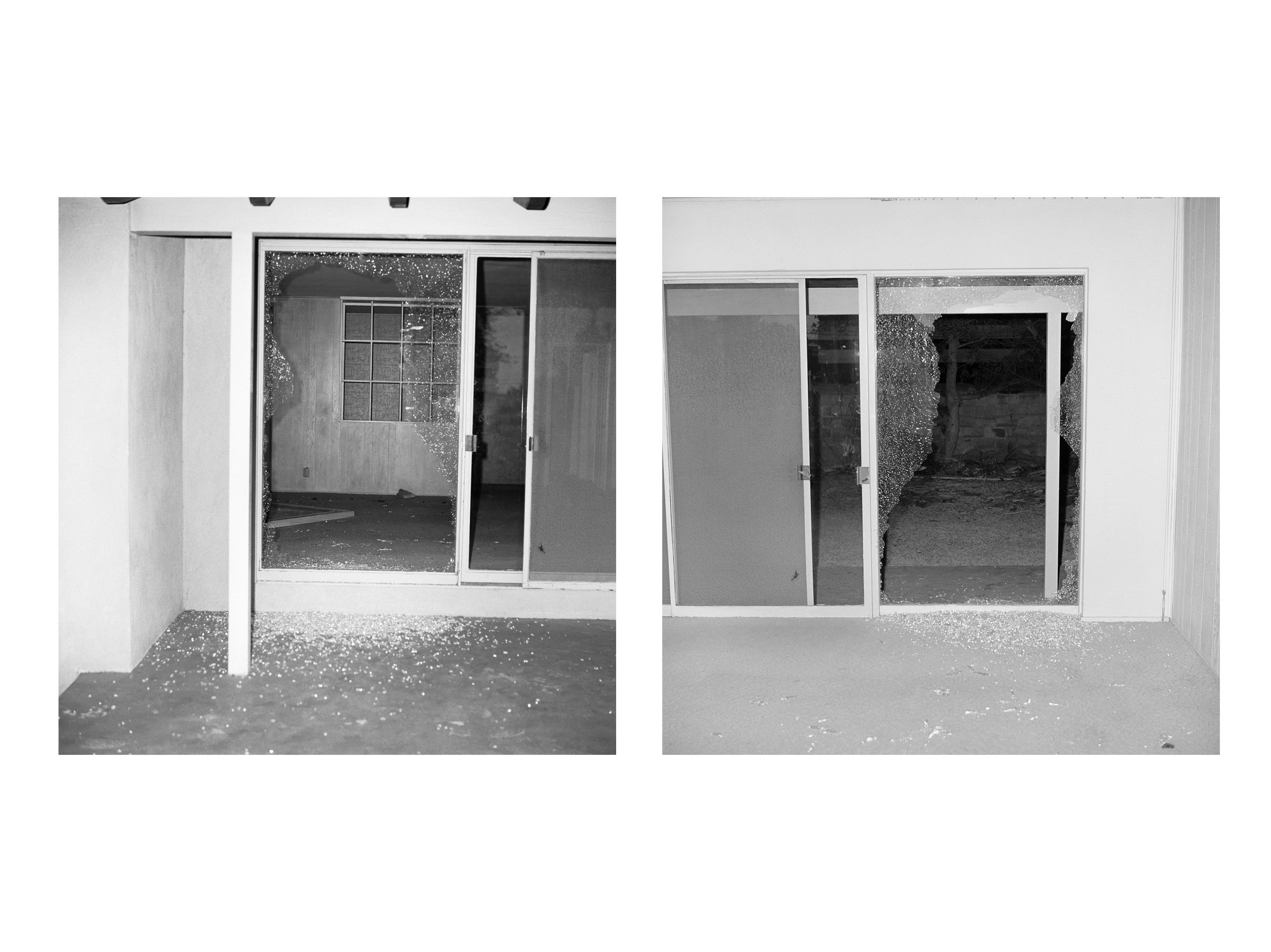
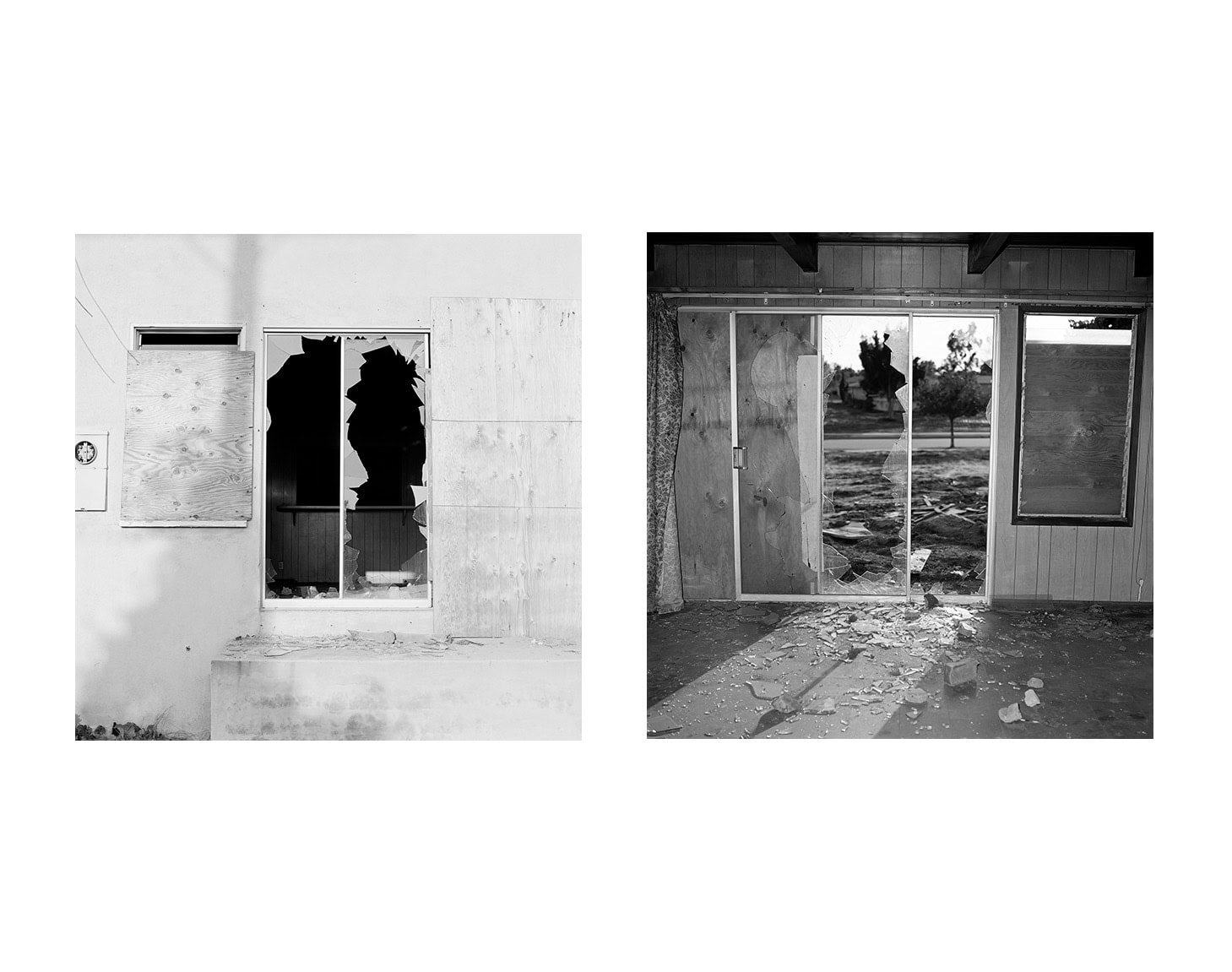
The exhibition places these portraits alongside related photographs, tracing the environments and methods that recur throughout Divola’s practice. Since Divola entered vacant Los Angeles houses, marked the walls with spray paint, string, and torn cardboard, and photographed the rooms in square, flash-lit black and white. Los Angeles International Airport Noise Abatement Zone (1975–76) records tract houses the airport bought and emptied as a buffer against jet noise: boarded windows, a garage door scrawled THIS HOUSE SOLD. Forced Entry (1975–76), part of the same project, follows other people’s break-ins from the street to rooms strewn with glass. Zuma (1977–78), his first sustained work in color, concentrates on one condemned house in Malibu, its walls painted by Divola and photographed only at sunrise and sunset as it was broken into, burned by the fire department for practice, and finally lost. The accompanying book extends this context to color photographs made between 1983 and 1986 as Cibachrome prints of painted cutouts set in brush and grass and lit with gelled flash at dusk and after dark. Cyclone, House, Wolf, Flying/Falling, and Desire were issued together in 1987 as the Five Prints Portfolio.
In Vandalism and Zuma, Divola marked the rooms himself; in the airport houses, he recorded what others had done. The portraits of Sheila introduce another participant into these environments. Sometimes she poses deliberately for the camera; elsewhere, she is nearly absorbed into the architecture or surrounding landscape. Divola met Sheila in 1975, and they separated in 1984. His photographs, he writes, “are always artifacts of my lived life.” Across these works, the distinctions between documenting a place, intervening in it, and staging a photograph remain deliberately unsettled.
John Divola was born in Los Angeles in 1949 and studied at California State University, Northridge, and at UCLA under Robert Heinecken. He taught at CalArts from 1978 to 1988 and is Distinguished Professor Emeritus of Art at the University of California, Riverside. He has received four National Endowment for the Arts fellowships and a Guggenheim Fellowship, and his work appeared in the Whitney Biennials of 1981 and 2017. John Divola: As Far As I Could Get, his first career-spanning survey, was presented in 2013 by the Santa Barbara Museum of Art, LACMA, and the Pomona College Museum of Art. His books include Three Acts (Aperture, 2006), Vandalism (MACK, 2018), and Chroma (Skinnerboox, 2020). His work is held by the Museum of Modern Art, the J. Paul Getty Museum, the Whitney Museum of American Art, LACMA, SFMOMA, and the Metropolitan Museum of Art. He lives and works in Riverside, CA.