
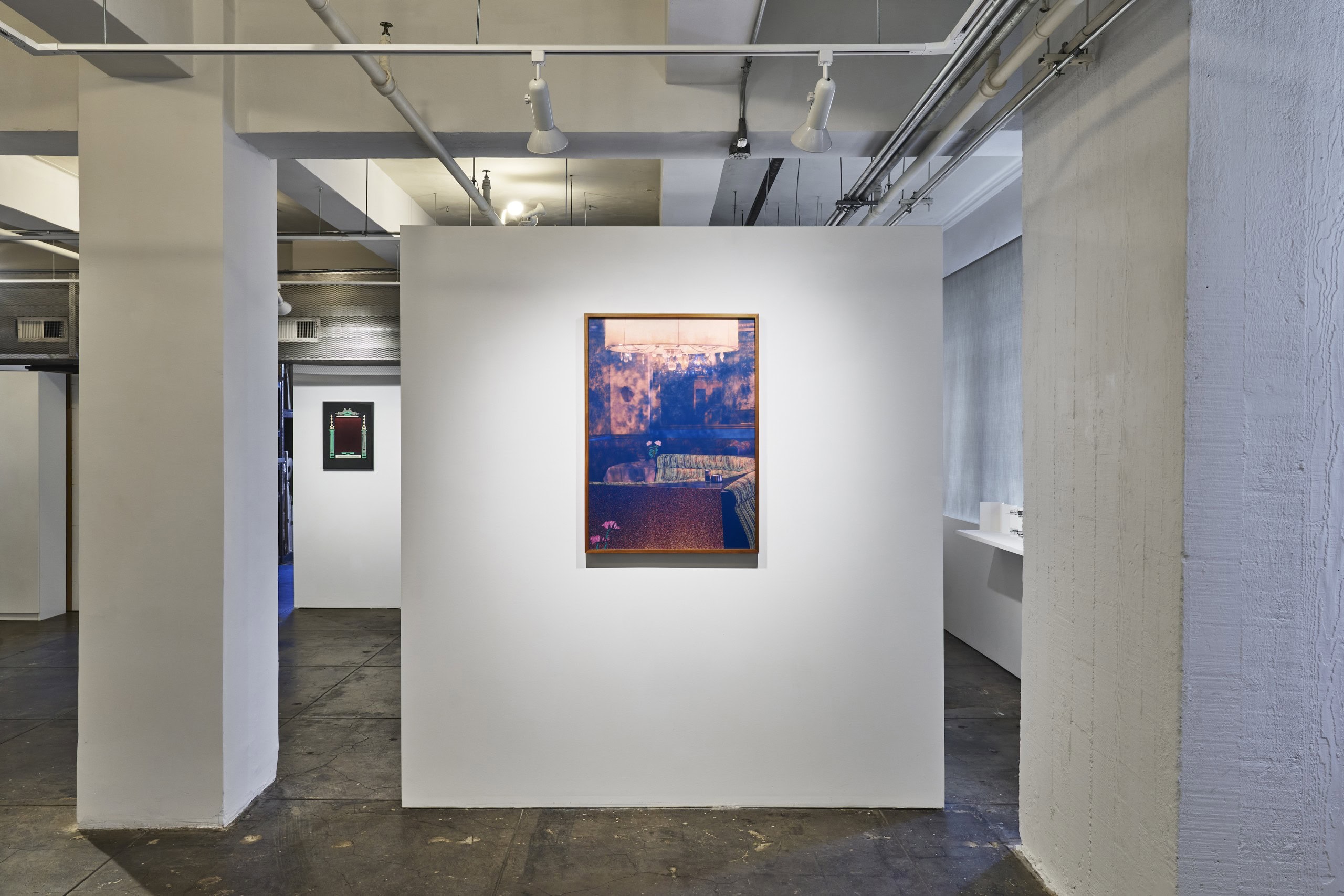
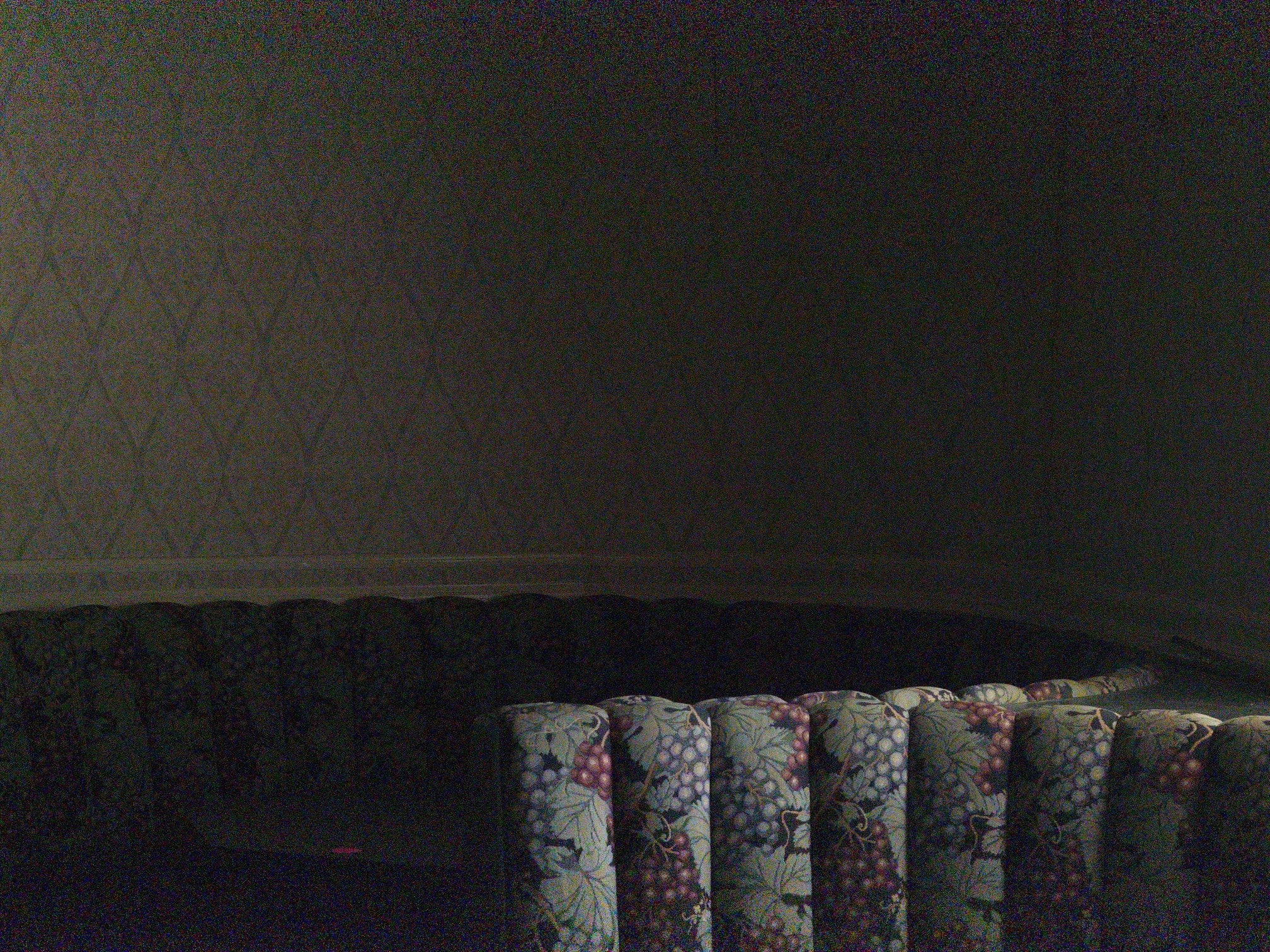







, 2026, 26 x 36 in&body=%0D%0AI would like more information about purchasing : Old Haunts (Through the Smoke), 2026, 26 x 36 in%0D%0A%0D%0A------------%0D%0A%0D%0AImage: https://galleryluisotti.com/wordpress/wp-content/uploads/2026/08/Old-Haunts-Through-the-Smoke-2026-26-x-36-in-scaled.jpg%0D%0A%0D%0ACaption: Evan Whale
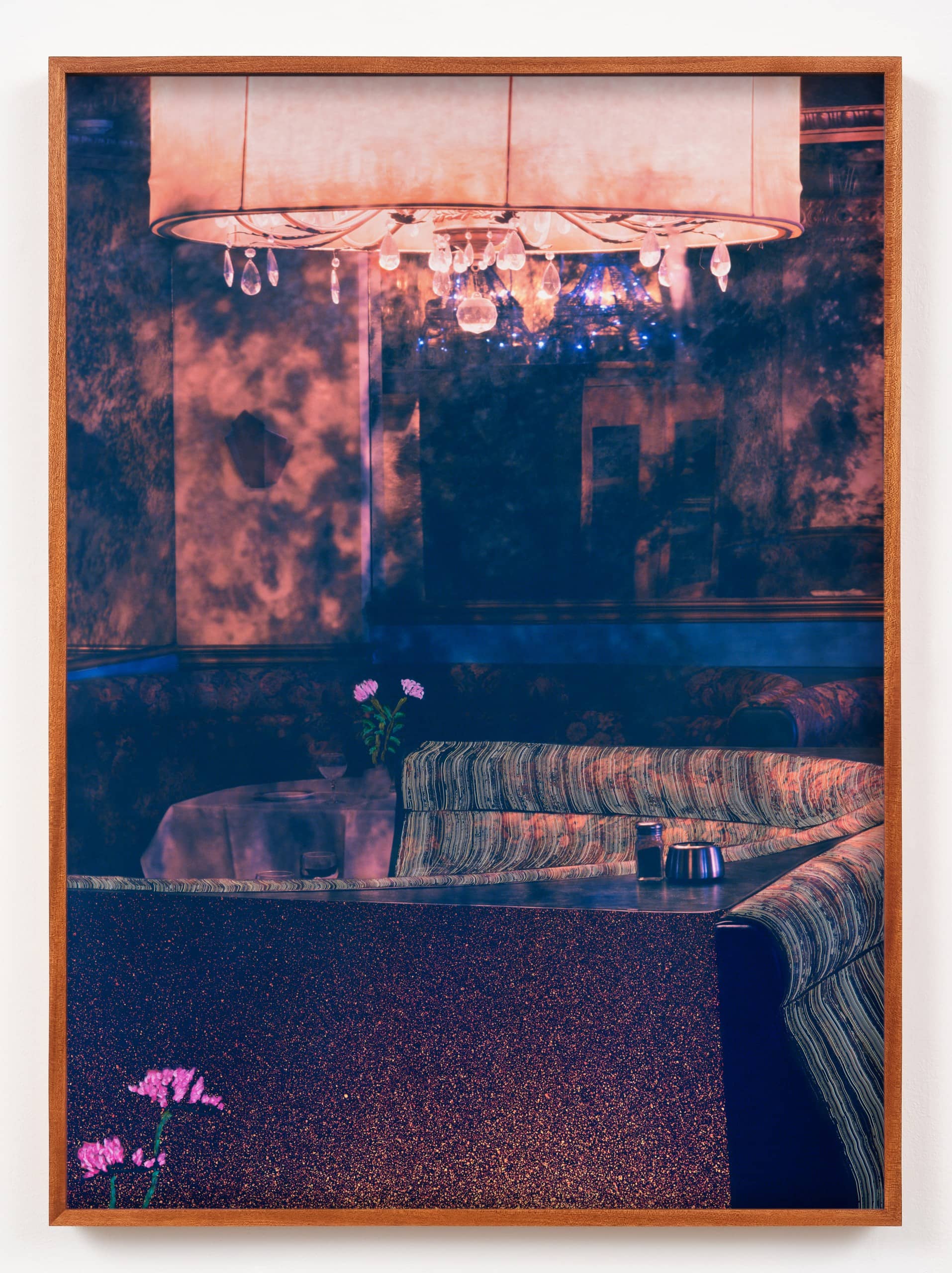
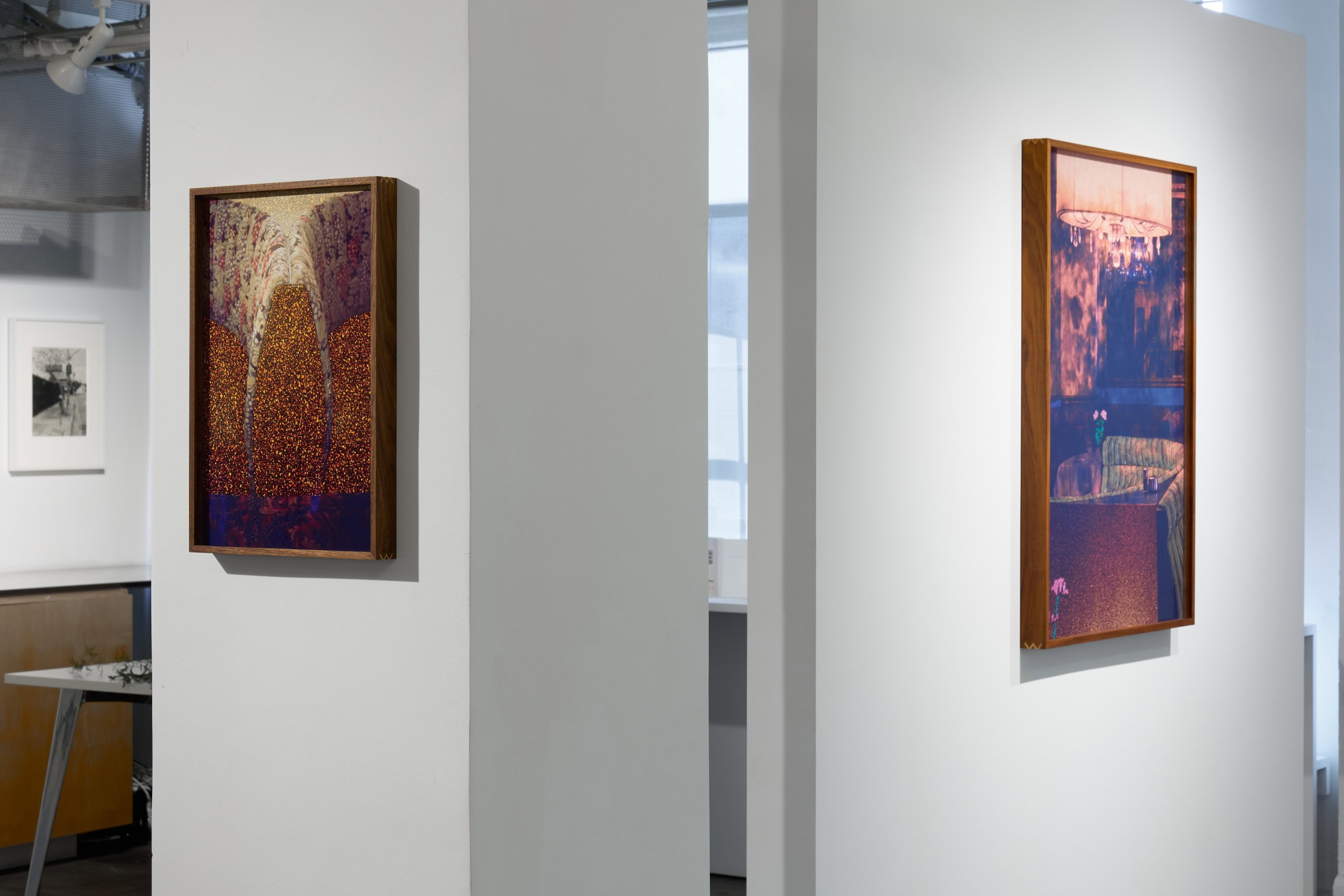
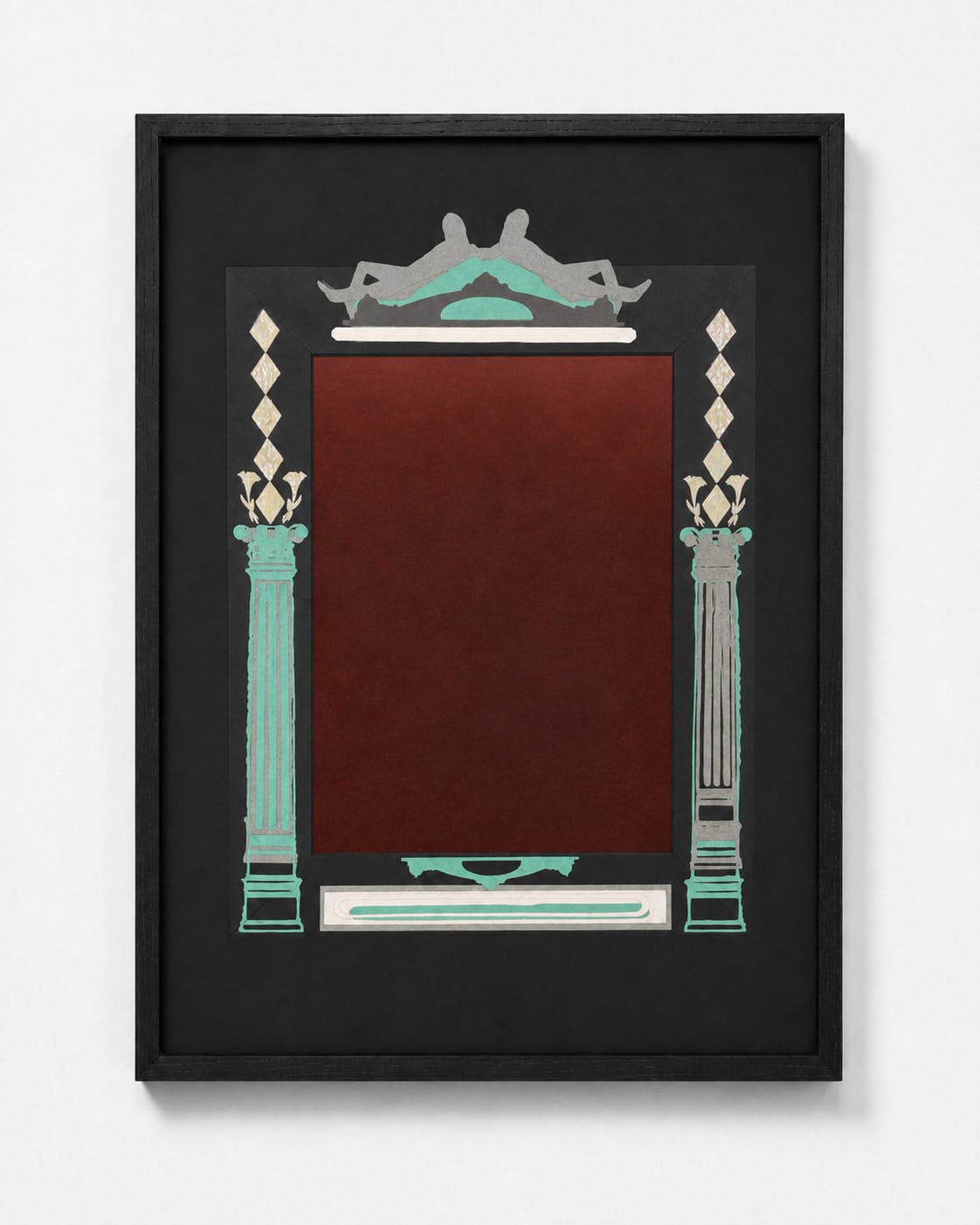
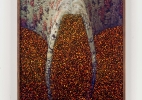
Old Haunts (Through the Smoke), 2026
Oil pastel, carving and chemigram on c-print, artist’s frame with Optium UV Museum acrylic
26 x 36 inches
Unique%0D%0A%0D%0AFrom page: https://galleryluisotti.com/exhibitions/1911-sunset-boulevard/%0D%0A%0D%0A------------%0D%0A%0D%0APlease add your message and contact information below : %0D%0A%0D%0A%0D%0A%0D%0A%0D%0A%0D%0A)


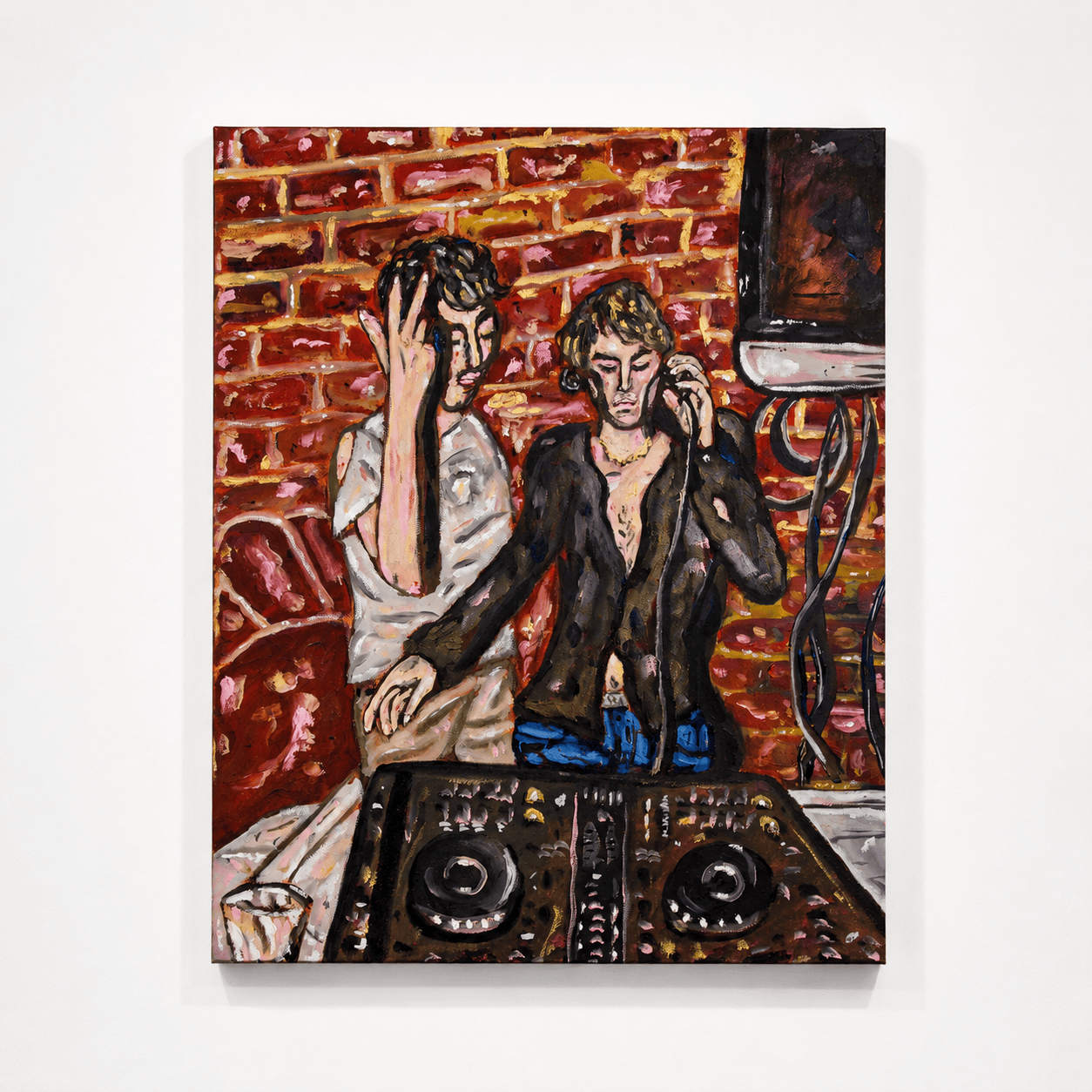
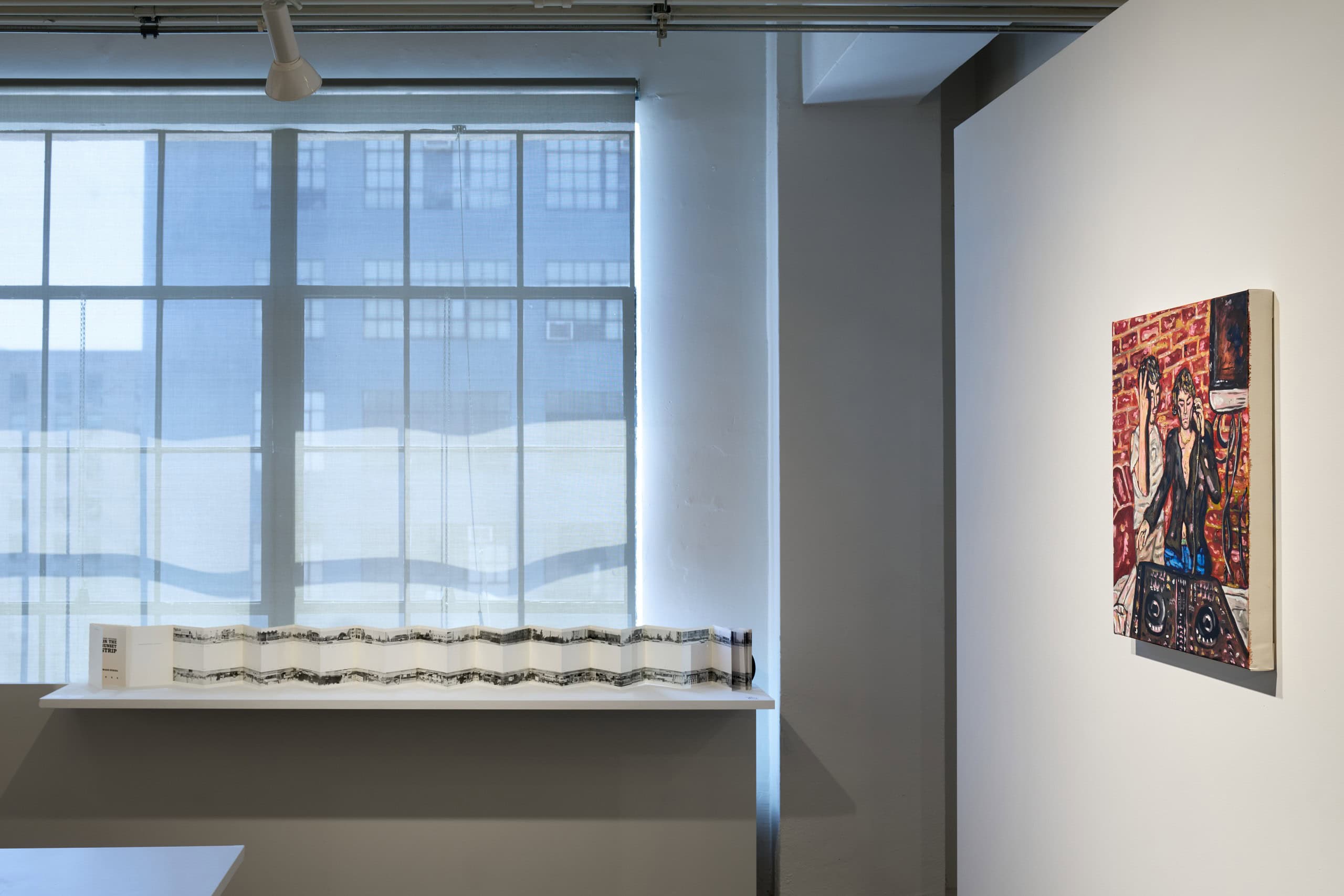
, 2026
Oil on canvas
16 x 20 inches%0D%0A%0D%0AFrom page: https://galleryluisotti.com/exhibitions/1911-sunset-boulevard/%0D%0A%0D%0A------------%0D%0A%0D%0APlease add your message and contact information below : %0D%0A%0D%0A%0D%0A%0D%0A%0D%0A%0D%0A)


; 16 x 20 inches (mat)
Edition of 5 + 2 AP%0D%0A%0D%0AFrom page: https://galleryluisotti.com/exhibitions/1911-sunset-boulevard/%0D%0A%0D%0A------------%0D%0A%0D%0APlease add your message and contact information below : %0D%0A%0D%0A%0D%0A%0D%0A%0D%0A%0D%0A)
; 16 x 20 inches (mat)
Edition of 5 + 2 AP%0D%0A%0D%0AFrom page: https://galleryluisotti.com/exhibitions/1911-sunset-boulevard/%0D%0A%0D%0A------------%0D%0A%0D%0APlease add your message and contact information below : %0D%0A%0D%0A%0D%0A%0D%0A%0D%0A%0D%0A)
; 16 x 20 inches (mat)
Edition of 5 + 2 AP%0D%0A%0D%0AFrom page: https://galleryluisotti.com/exhibitions/1911-sunset-boulevard/%0D%0A%0D%0A------------%0D%0A%0D%0APlease add your message and contact information below : %0D%0A%0D%0A%0D%0A%0D%0A%0D%0A%0D%0A)
; 16 x 20 inches (mat)
Edition of 5 + 2 AP%0D%0A%0D%0AFrom page: https://galleryluisotti.com/exhibitions/1911-sunset-boulevard/%0D%0A%0D%0A------------%0D%0A%0D%0APlease add your message and contact information below : %0D%0A%0D%0A%0D%0A%0D%0A%0D%0A%0D%0A)
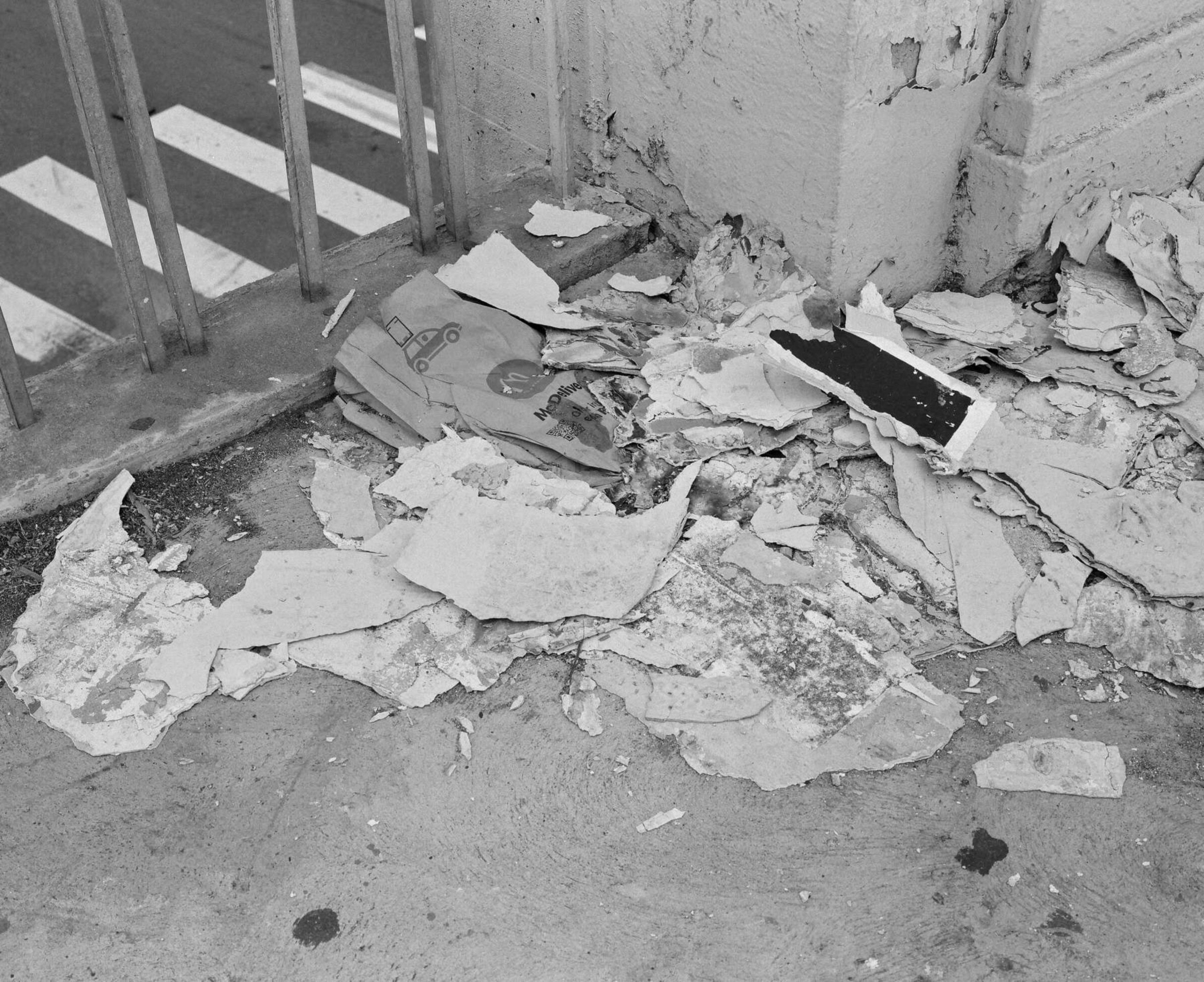
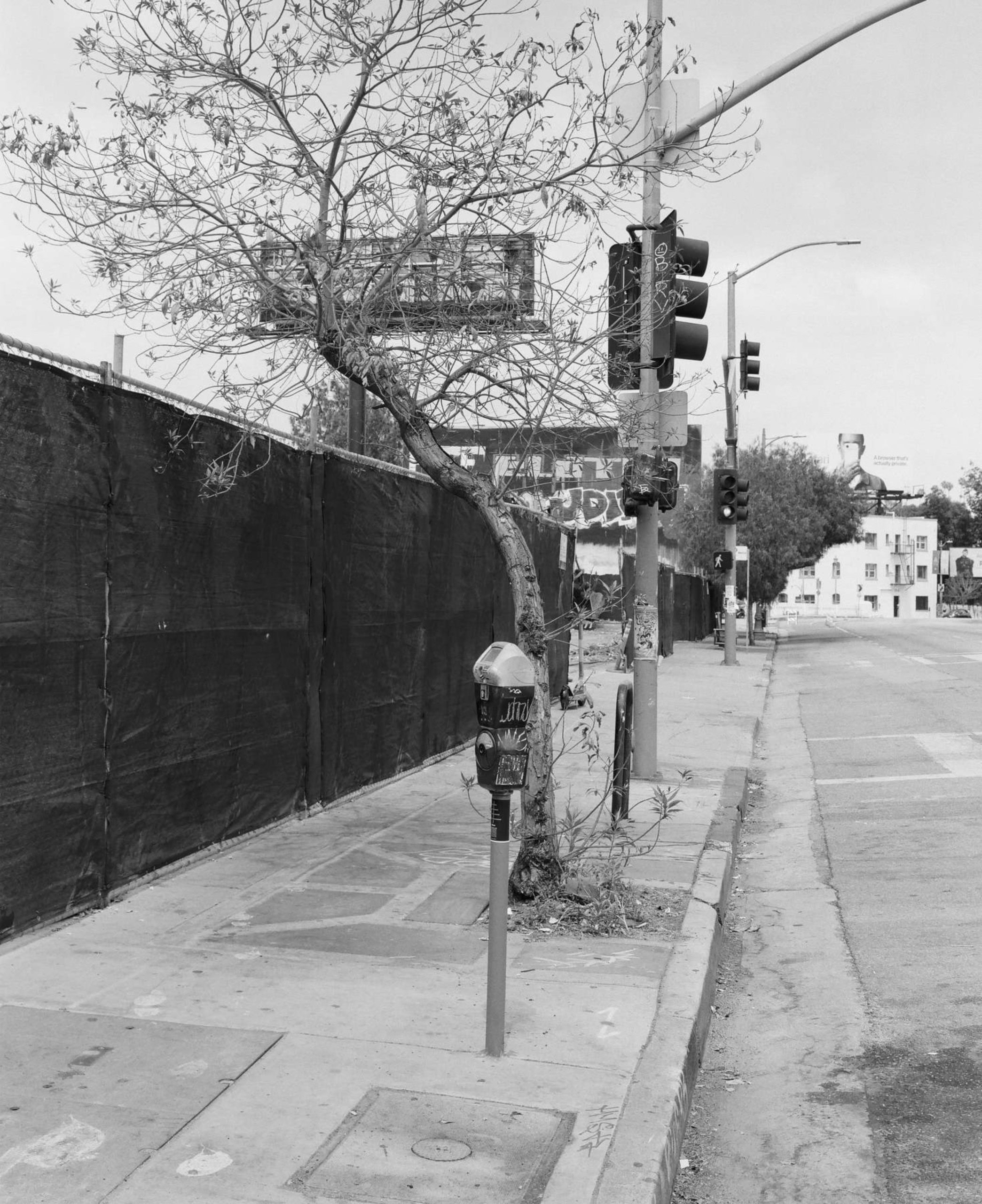
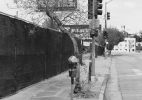
 3&body=%0D%0AI would like more information about purchasing : Soto_Taix (dragged) 3%0D%0A%0D%0A------------%0D%0A%0D%0AImage: https://galleryluisotti.com/wordpress/wp-content/uploads/2026/08/Soto_Taix-dragged-3-scaled.jpg%0D%0A%0D%0ACaption: Arturo Soto
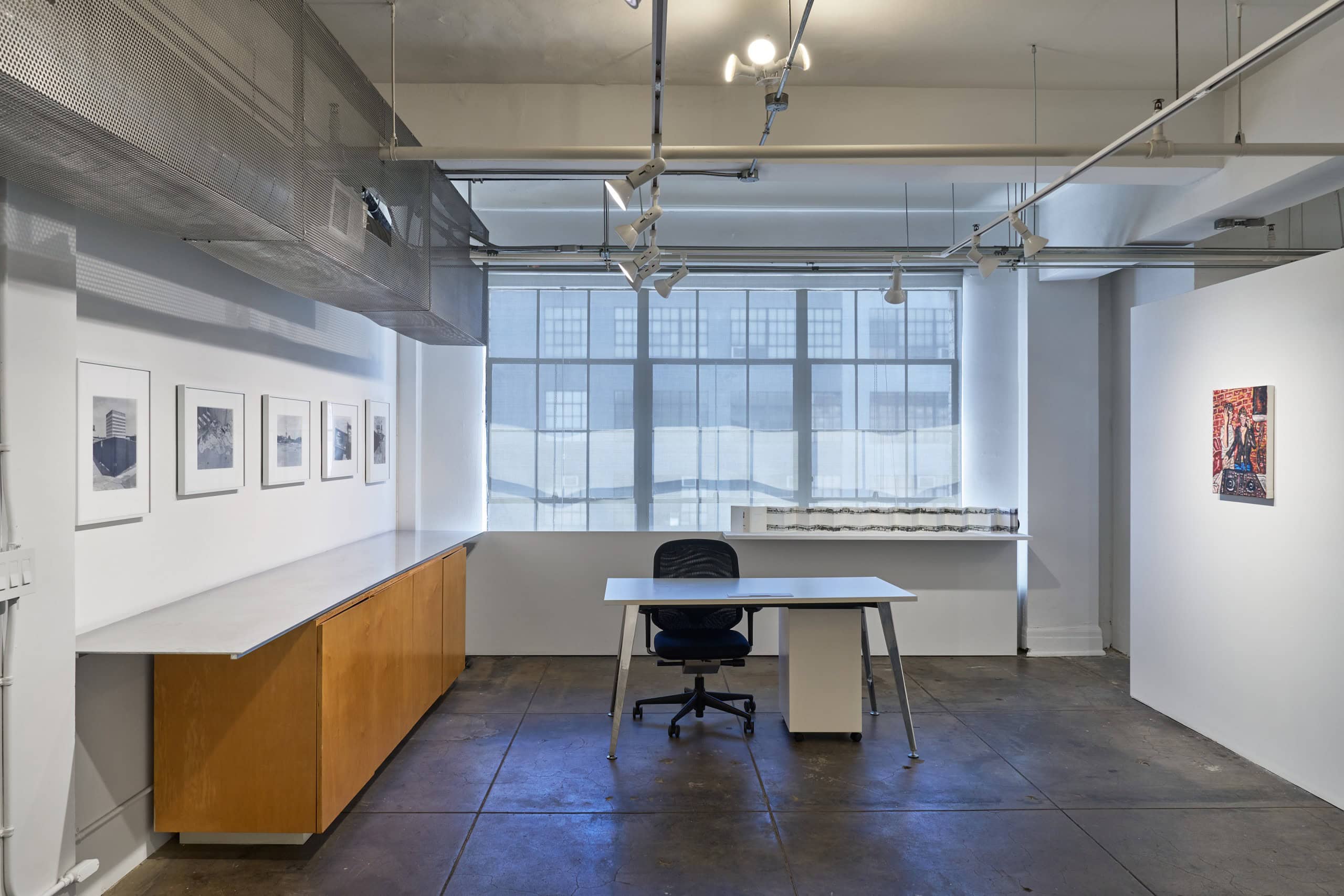
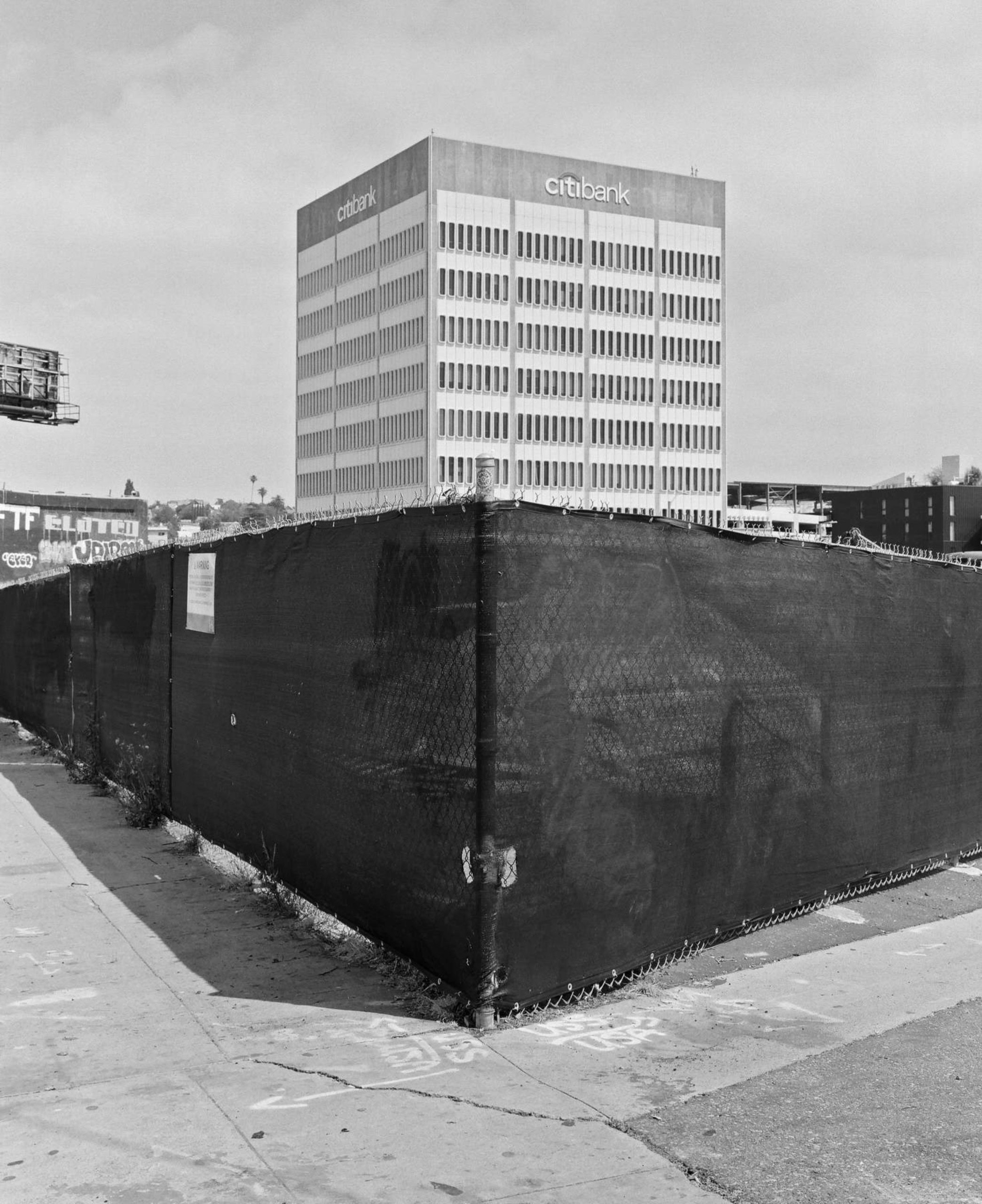
View of Site from Sunset Blvd, 2026
Gelatin silver print with an 8-ply overmat
11 x 14 inches (print); 16 x 20 inches (mat)
Edition of 5 + 2 AP%0D%0A%0D%0AFrom page: https://galleryluisotti.com/exhibitions/1911-sunset-boulevard/%0D%0A%0D%0A------------%0D%0A%0D%0APlease add your message and contact information below : %0D%0A%0D%0A%0D%0A%0D%0A%0D%0A%0D%0A)
1911 Sunset Boulevard
August 8 – September 12, 2026
Press Links:
Artforum: A Found Farewell to LA’s Beloved Taix at Luisotti Gallery
1911 Sunset Boulevard
Marcel Alcalá, Maxfield Hegedus, Kittipong, Arturo Soto, Abdi Taslimi, and Evan Whale with Ed Ruscha’s Every Building on the Sunset Strip
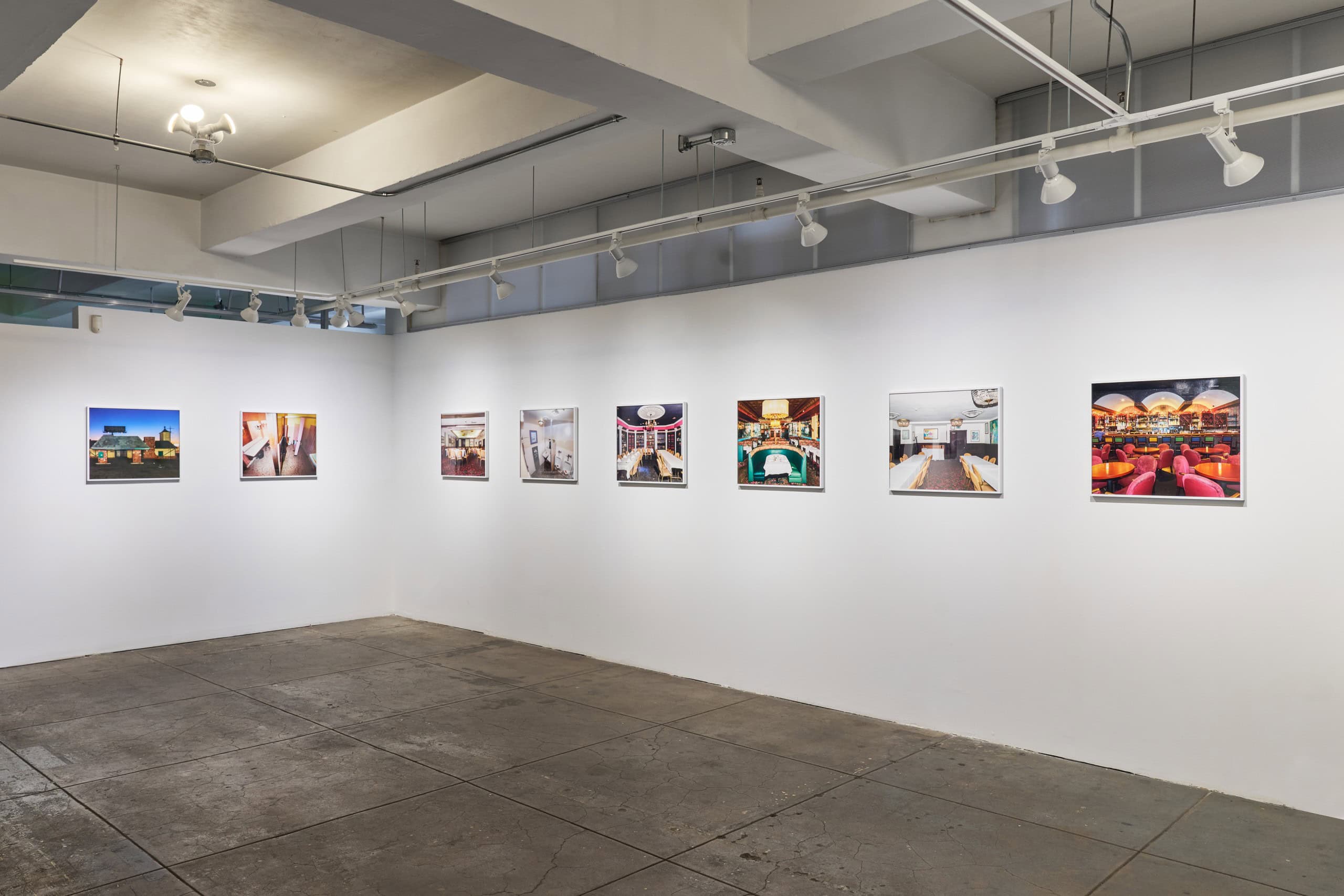
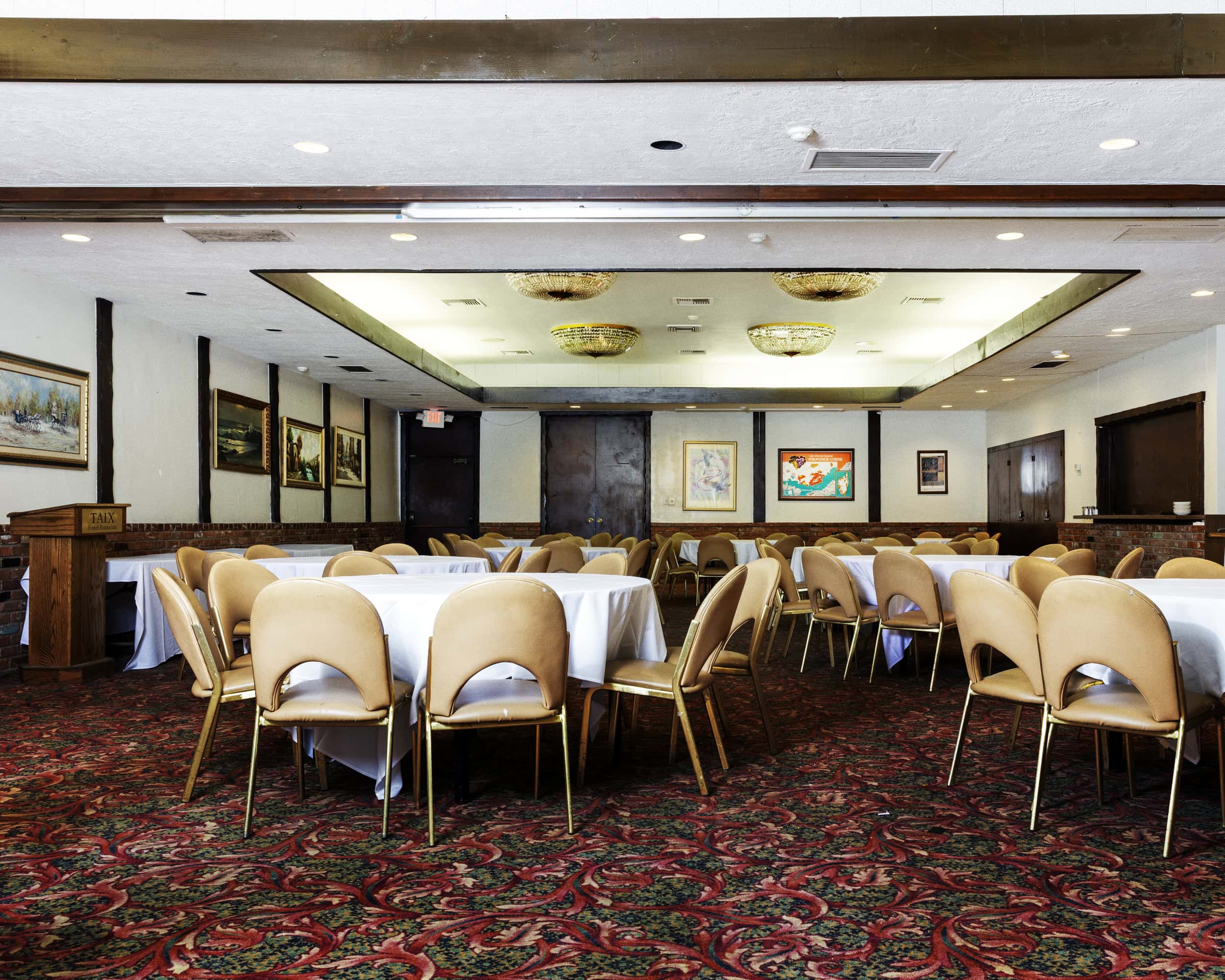
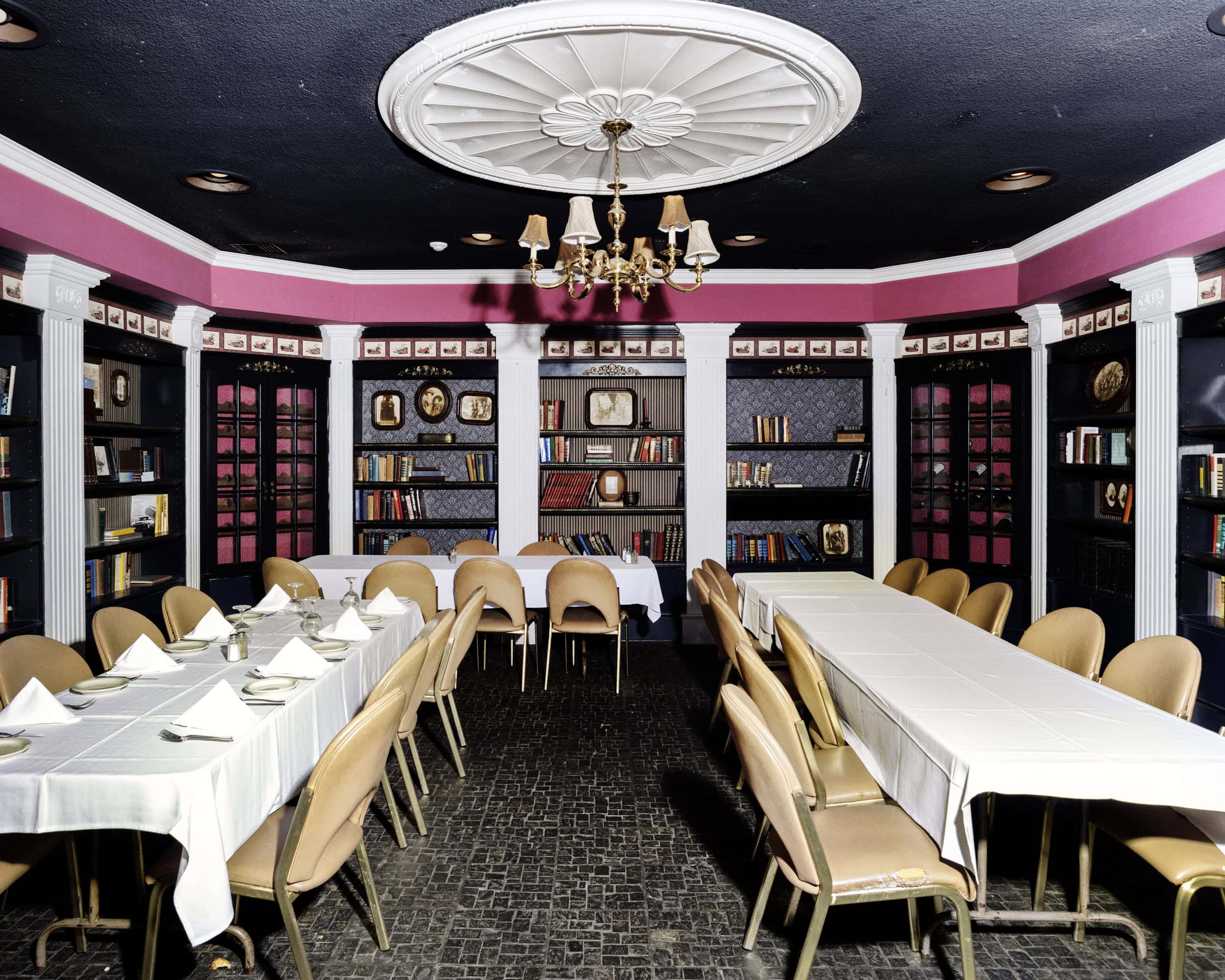
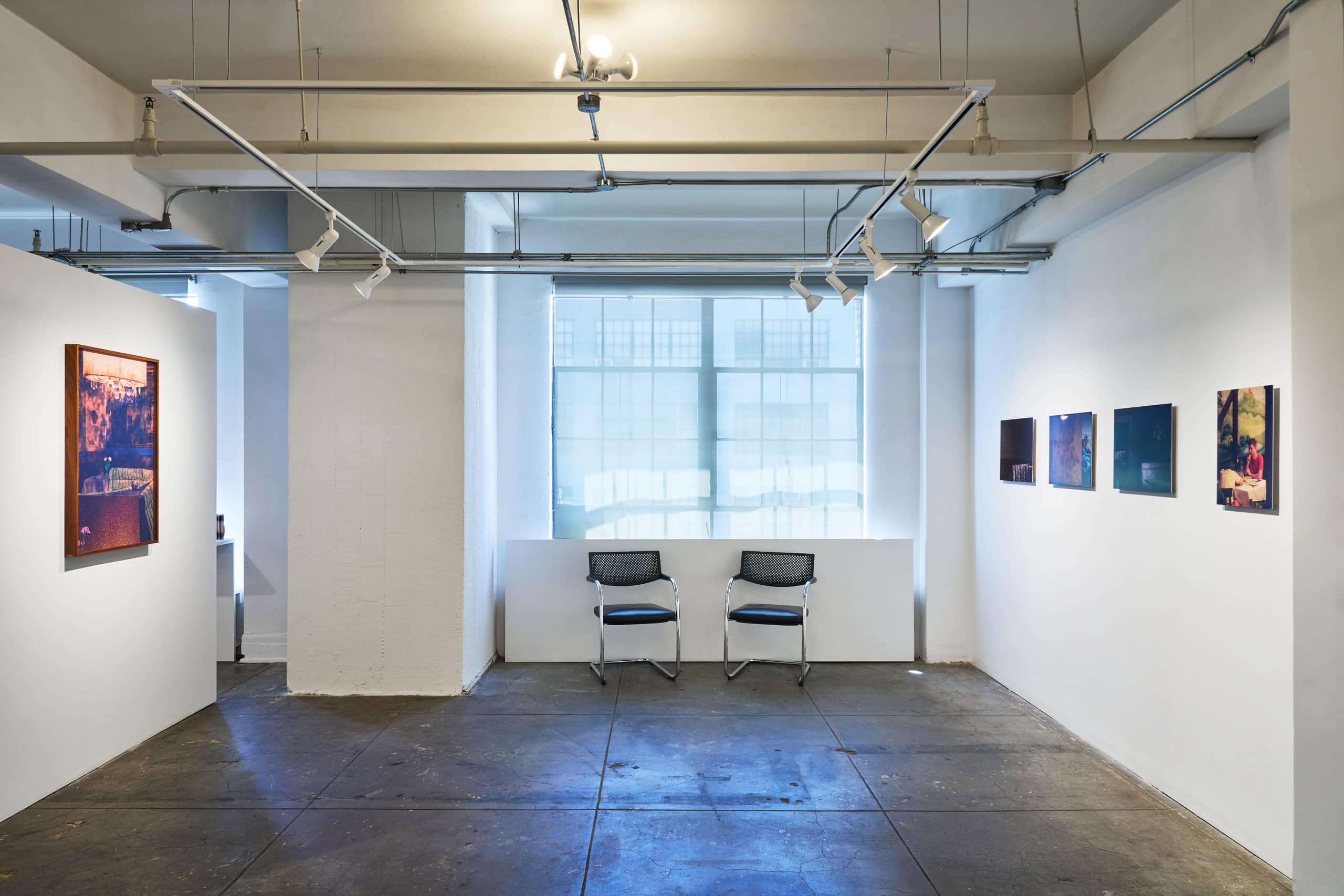
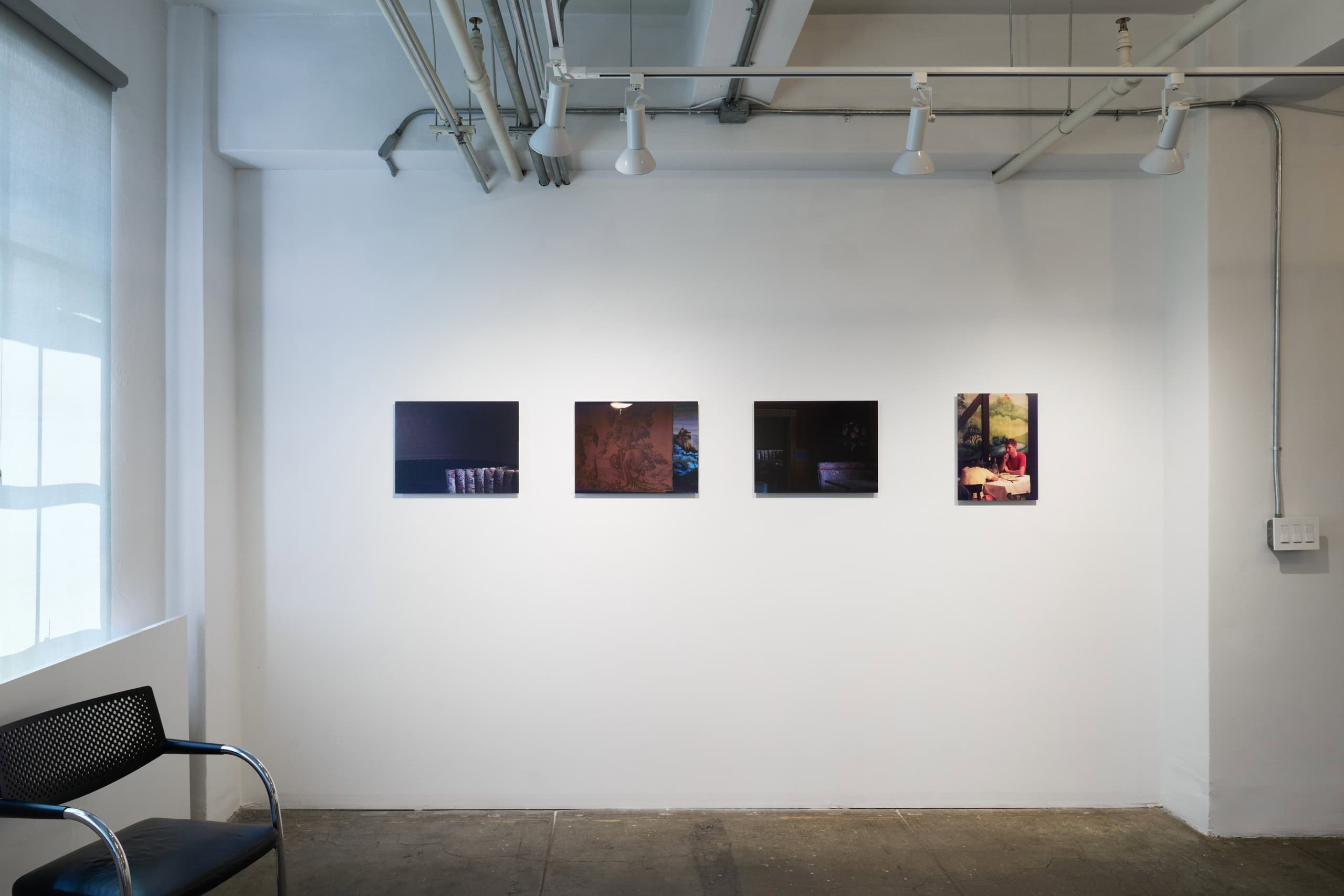
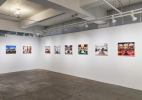
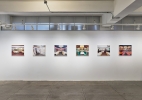
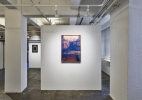
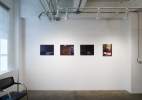
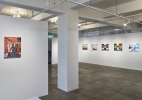
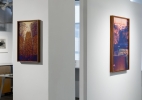
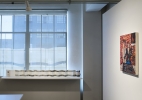
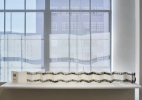
Gallery Luisotti is pleased to present 1911 Sunset Boulevard, an exhibition of works by six contemporary artists made in response to the former Taix French Restaurant in Echo Park. Comprising photographs, altered photographic works, and a single painting, the exhibition follows Taix through its final months, its closing night, and the landscape left by its demolition. The exhibition takes its title from the restaurant’s address.
For more than sixty years, Taix occupied a singular place on Sunset Boulevard. Its dining rooms, banquet halls, lounges, murals, and upholstered booths formed an interior world at once theatrical and familiar, too large and layered to take in whole. Private dinners gave way to performances, parties, meetings, and nights that continued long after anyone had stopped ordering.
The building and its social life cannot be considered apart. The scale and strangeness of the architecture allowed different publics to coexist. The restaurant’s informality let those publics alter the meaning of the rooms from one evening to the next, becoming a nightclub, a salon, a memorial hall, or a temporary refuge from the city outside.
The works in 1911 Sunset Boulevard approach the restaurant through distinct forms of attention. They do not assemble a unified portrait or treat documentation as a means of restoring Taix intact. Instead, the restaurant appears by turns as an arrangement of rooms, a crowded social world, a half-visible atmosphere, a damaged record, a worked surface, and finally a vacancy whose effects extend beyond the building’s footprint.
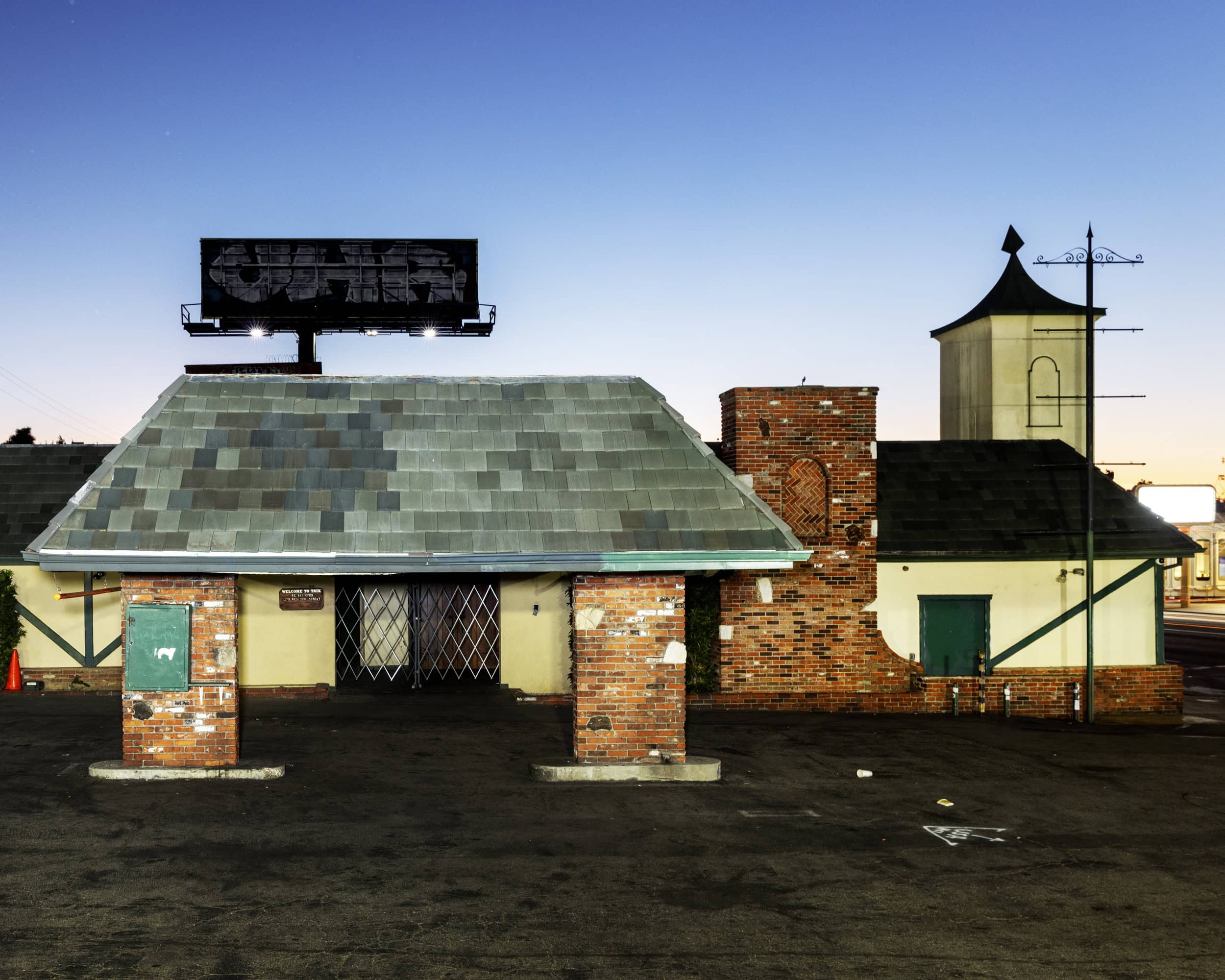
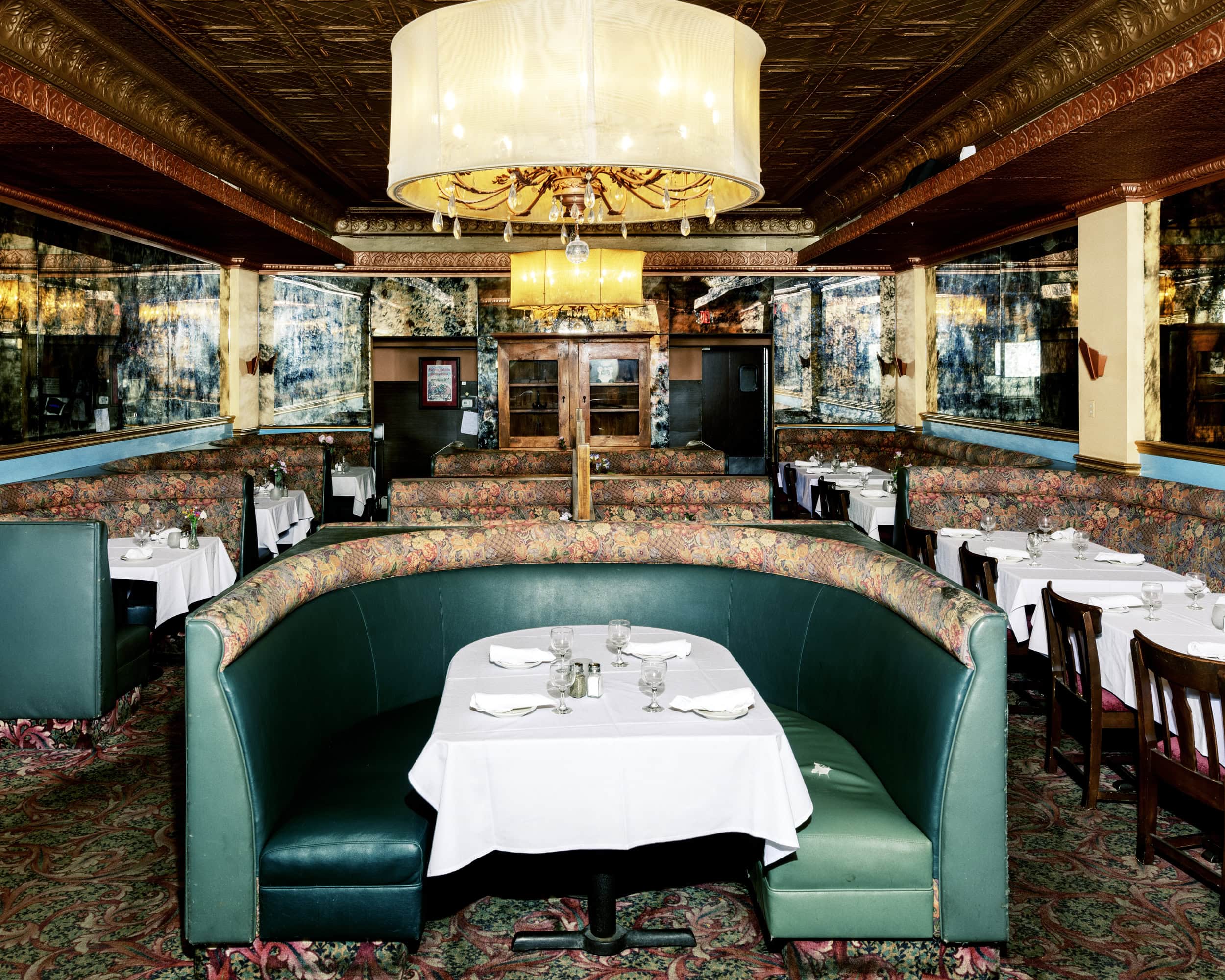
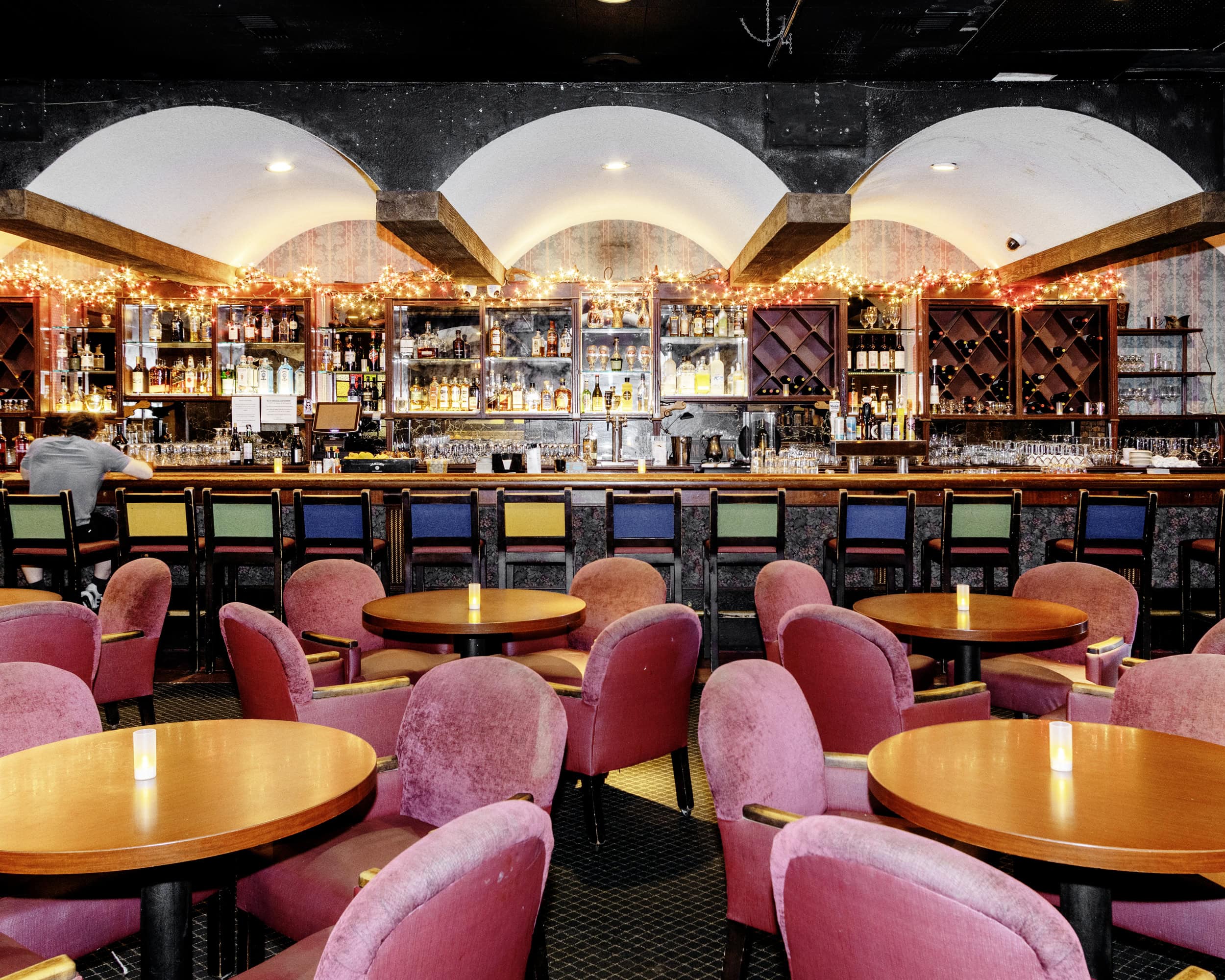
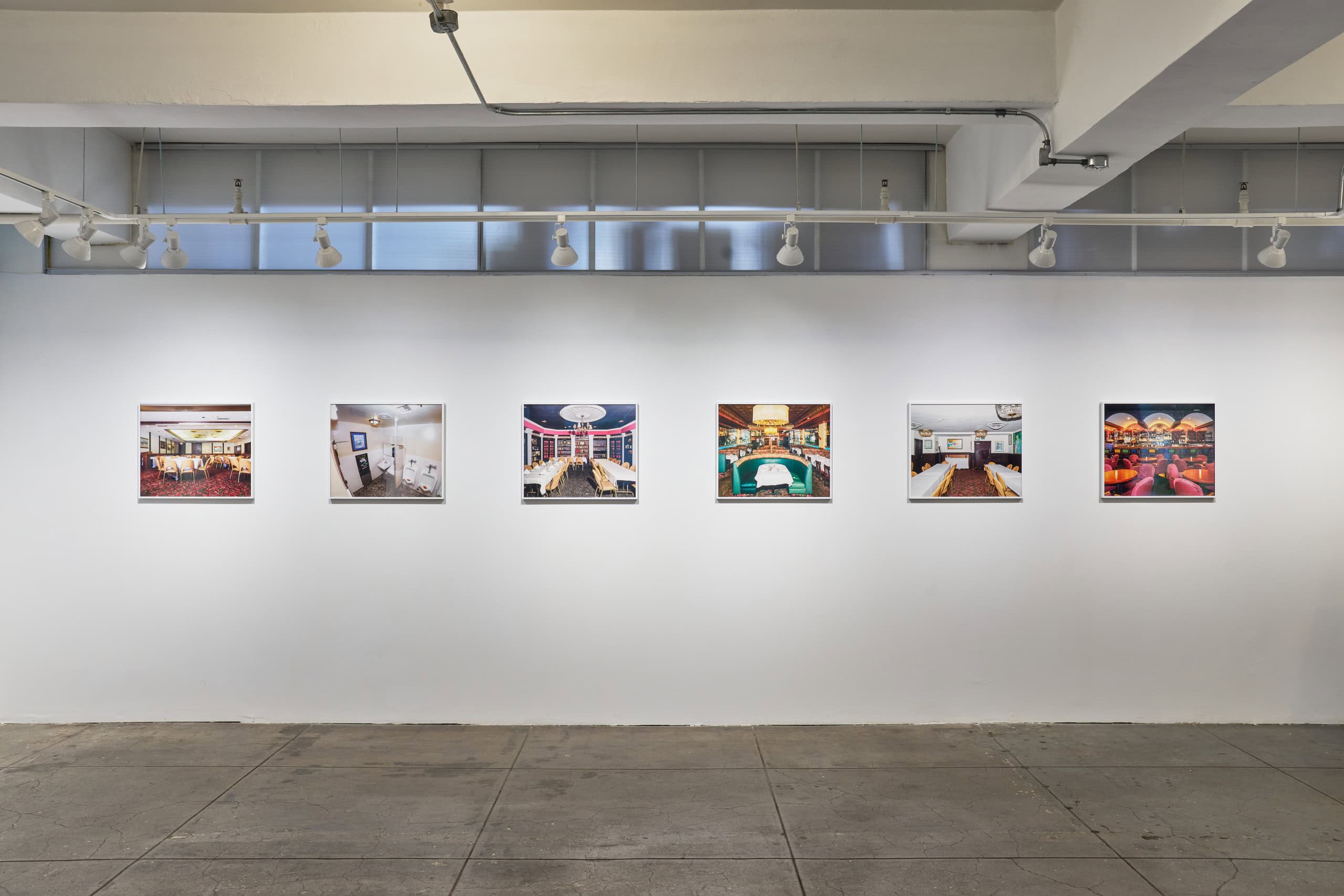
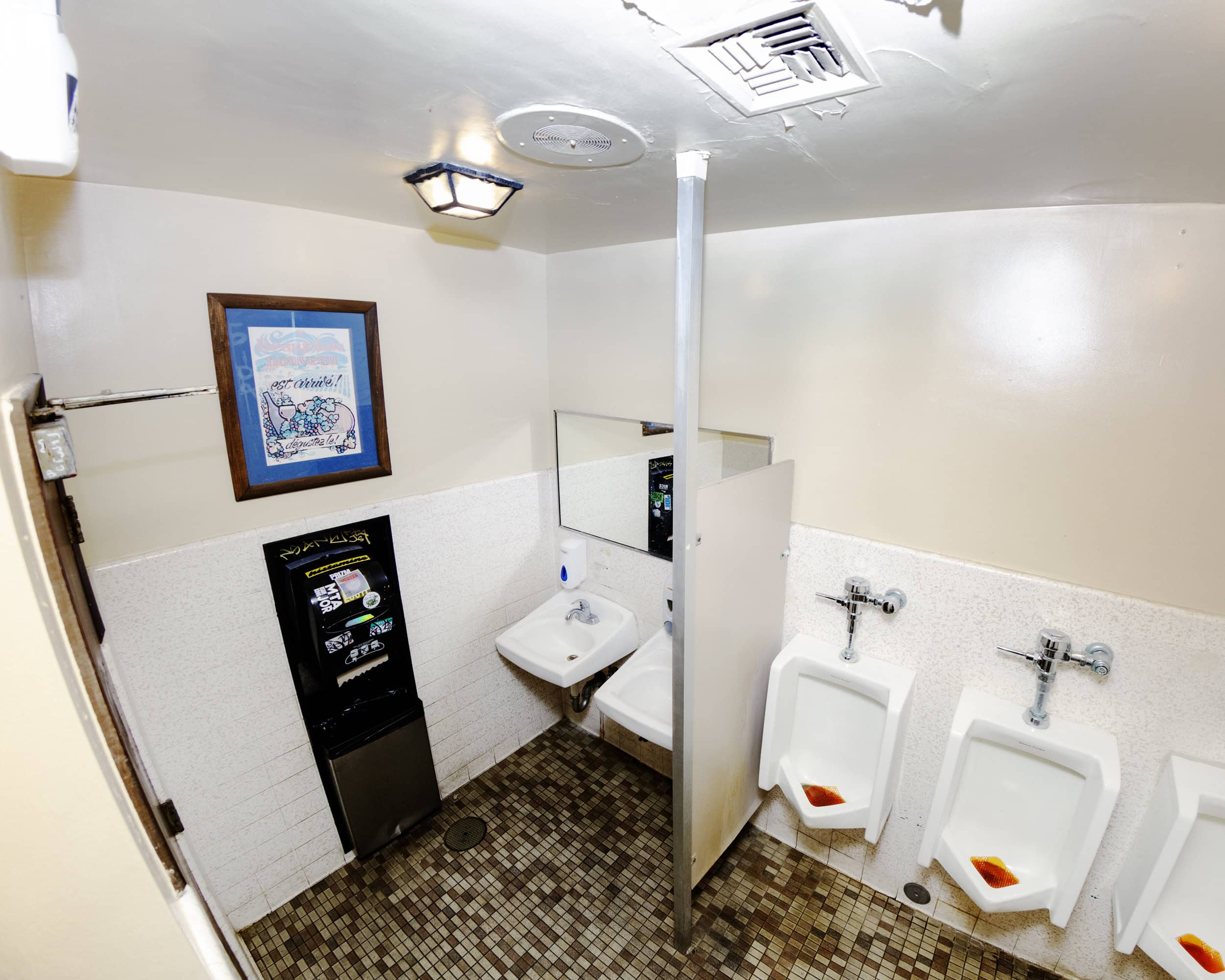
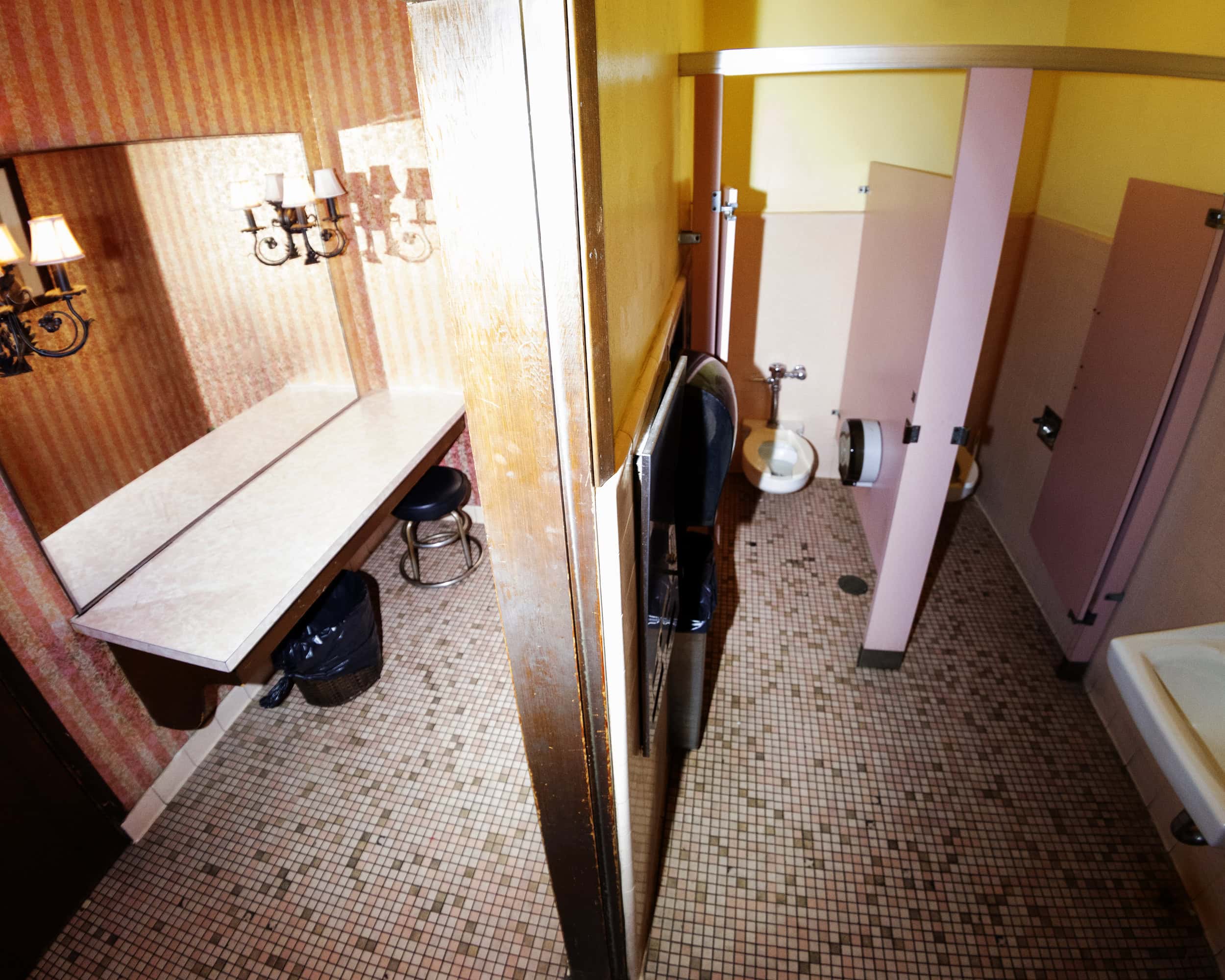
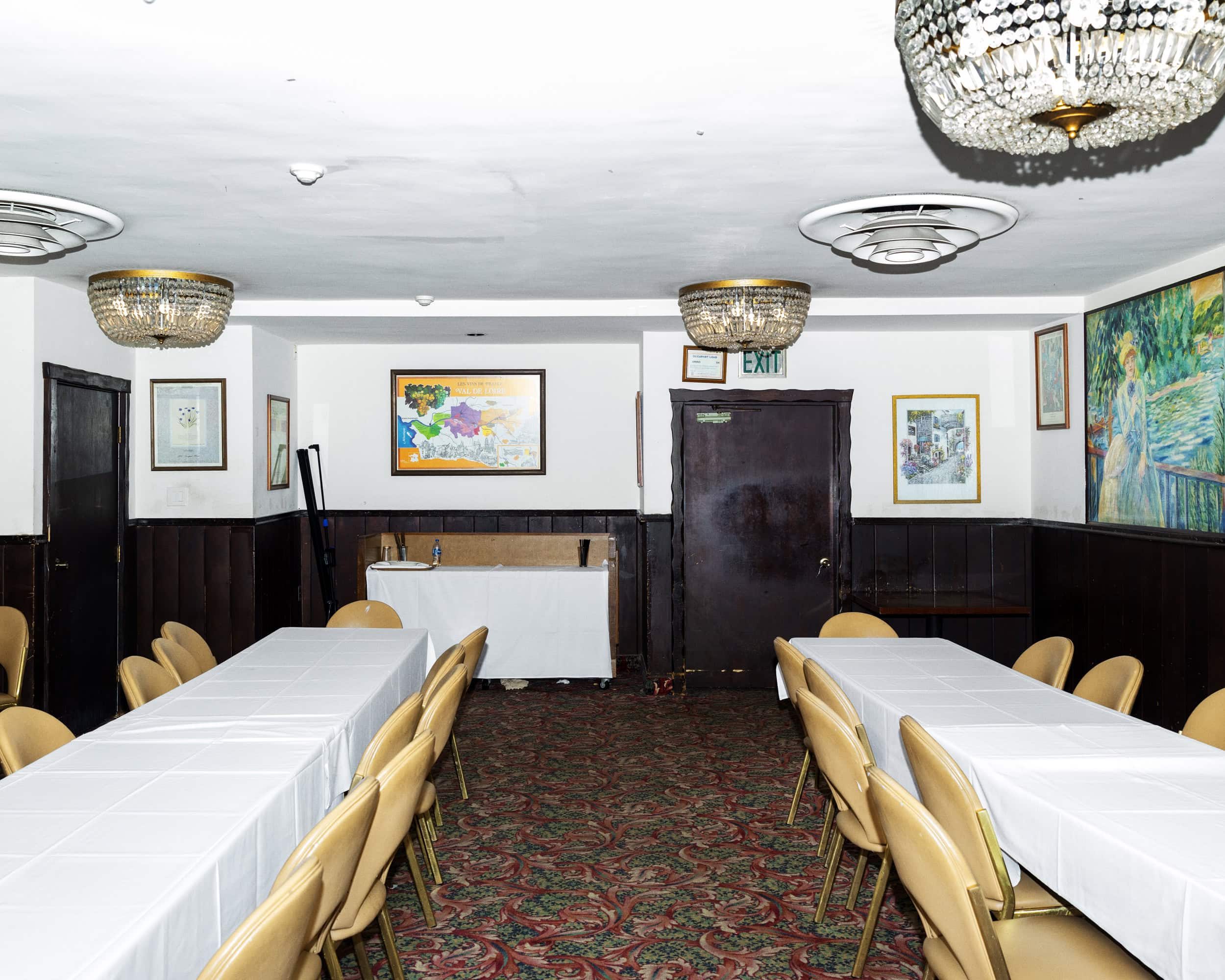
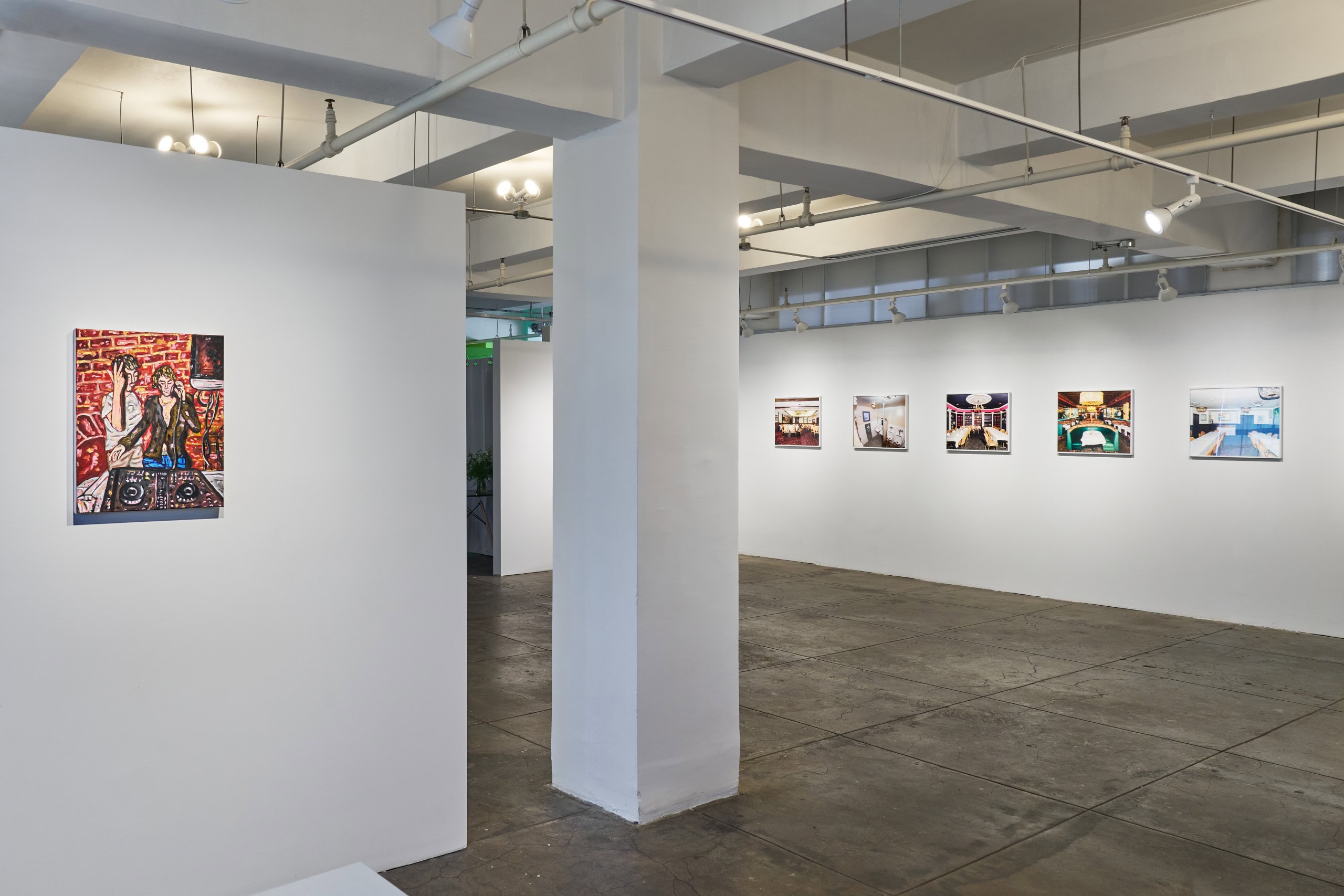
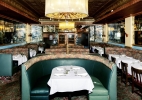
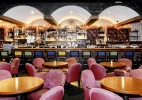
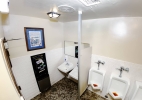
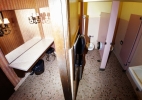
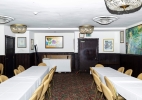
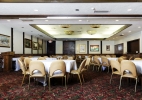
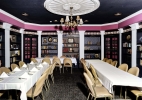
Maxfield Hegedus photographs the restaurant with sustained descriptive precision, moving beyond its most recognizable rooms into banquet halls, bathrooms, dressing areas, corridors, and other less ceremonial spaces. Their decorative excess becomes newly legible: brick and timber, murals and mirrors, patterned carpet, false arches, artificial plants, chandeliers, and accumulated styles that resist any single period or coherent taste. With the occupants gone, the rooms appear suspended between evidence and stage set. His photographs were recently published alongside an essay by Gracie Hadland in Flash Art Volumes 003: Opacity.
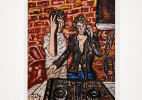
Marcel Alcalá’s painting GGNAT presents the restaurant under opposite conditions. Made in response to Gay Guy Night, it shows two figures behind DJ equipment against Taix’s brick interior. Alcalá’s charged handling of paint binds bodies, furniture, sound, and architecture into a single restless surface. The room does not serve merely as a backdrop. It has been activated and temporarily remade by the event taking place within it.
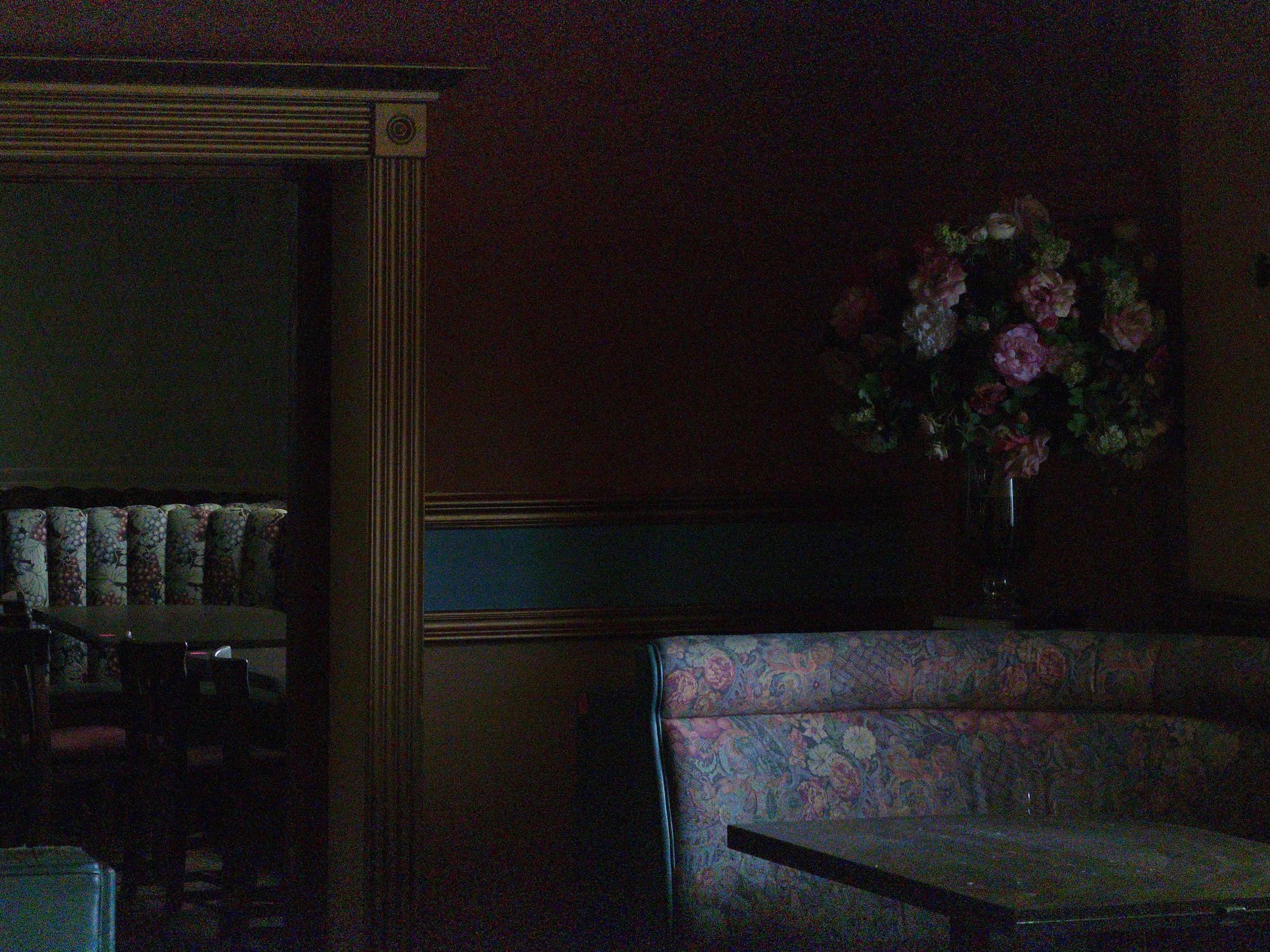
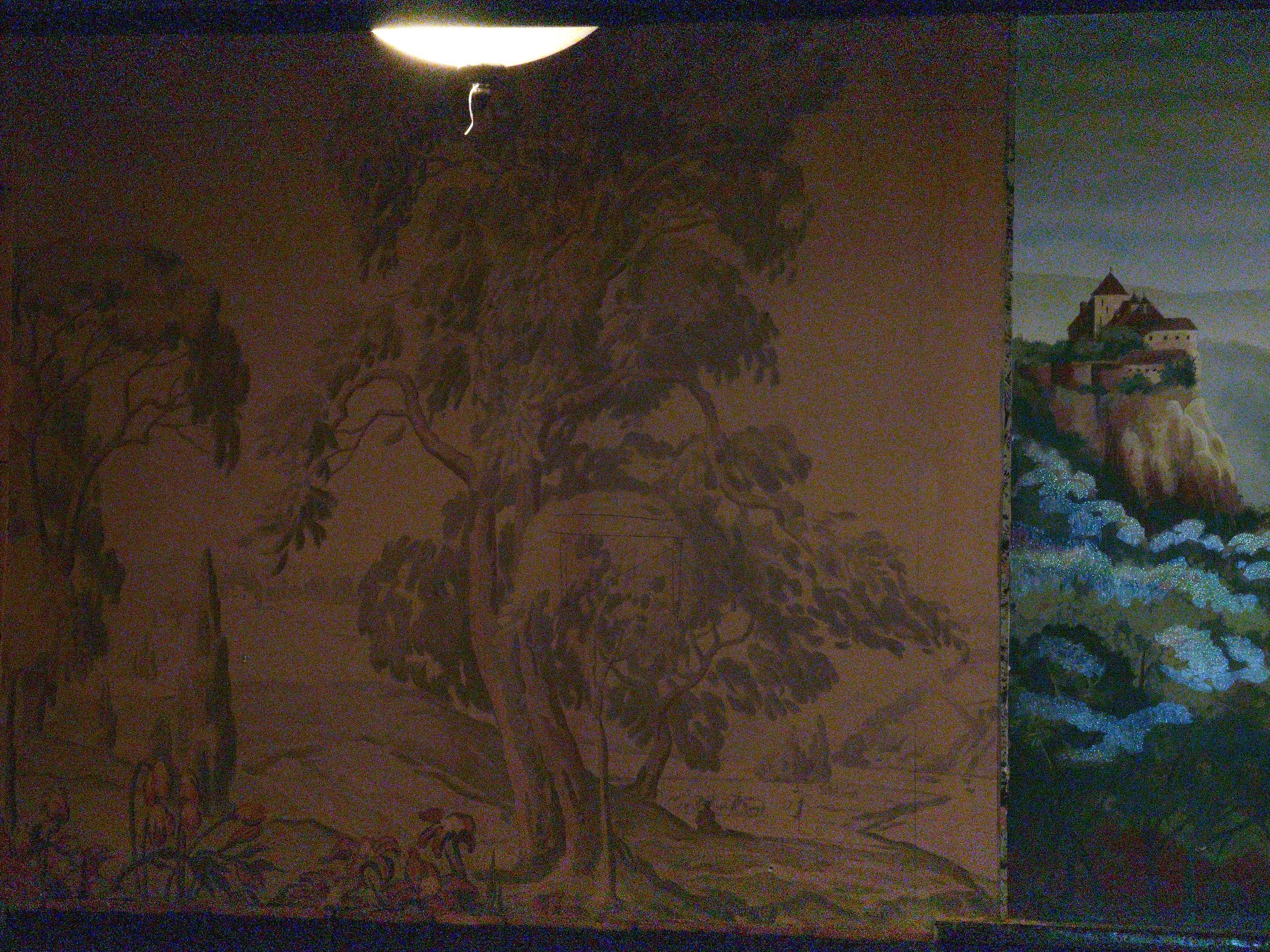
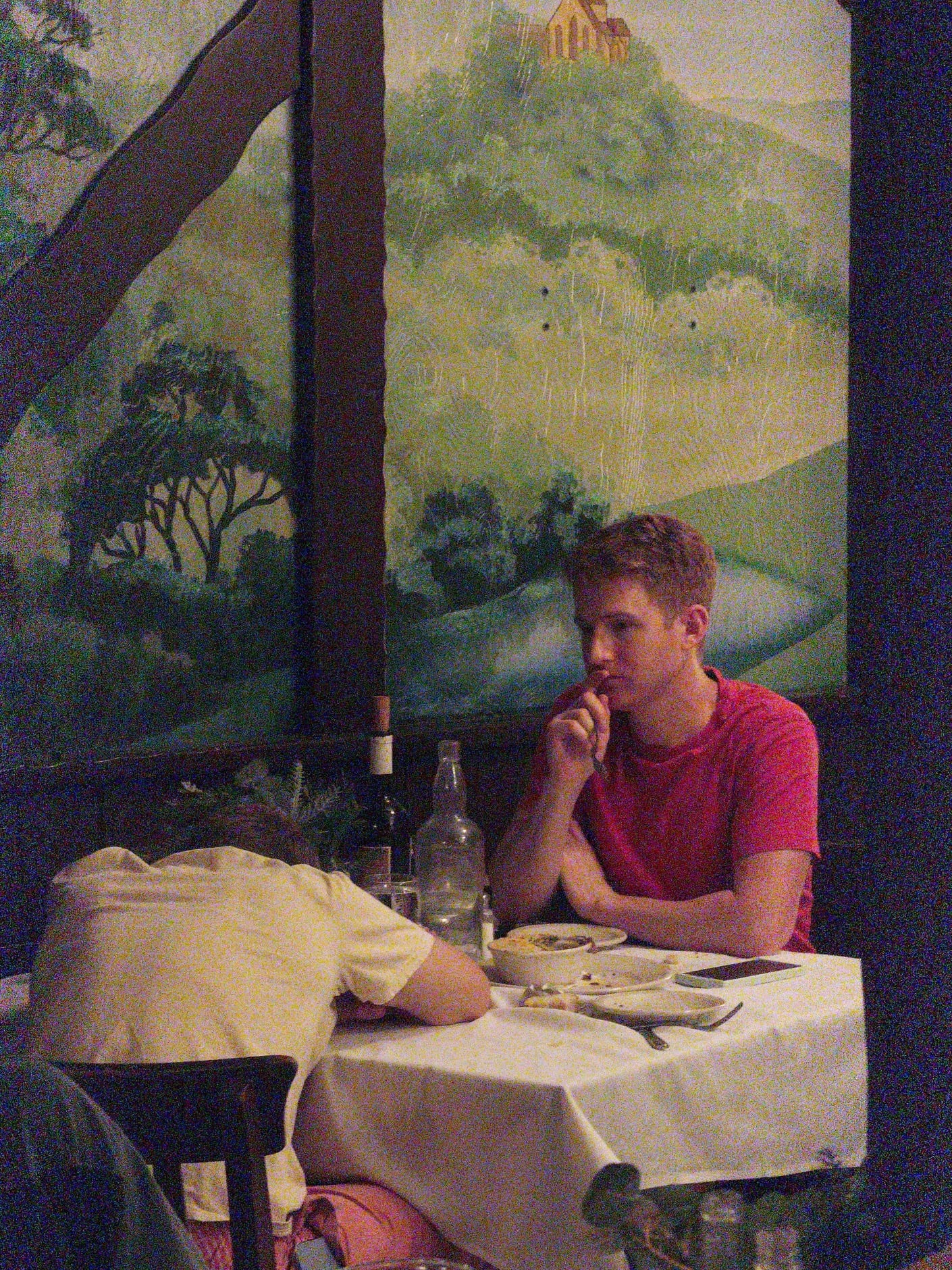
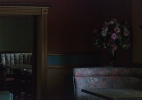
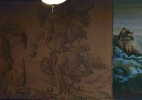
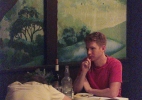
Abdi Taslimi’s photographs also emerge from within the restaurant’s social life, though they resist the clarity of an architectural record. Figures, flowers, booths, and painted landscapes surface unevenly through darkness and grain. Empty rooms and solitary diners remain partly legible, caught between recognition and obscurity. This partial visibility belongs to the experience of the restaurant itself: people and objects encountered across dim rooms.
In Evan Whale’s works, obstruction becomes a physical condition of the image. Whale scratches into his photographs and works over them with oil pastel, covering booths, chandeliers, patterned upholstery, and other recognizable details beneath dense accumulations of mark and color. The photographic record remains visible, but it no longer commands the surface. Description is interrupted by abrasion, color, and gesture, turning the photograph into an object that bears the evidence of revision.
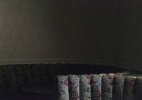
Kittipong’s photograph was altered before it could become a stable record at all. Two accidents combined to form the final image; multiple exposures ended up on the same negative because the film wouldn’t advance, and before the film could be developed, it was fogged by an unwanted X-ray during a visit to the Mexican consulate. What survives is a nearly unreadable field of color crossed by faint traces of light. Preservation and erasure occupy the same negative.
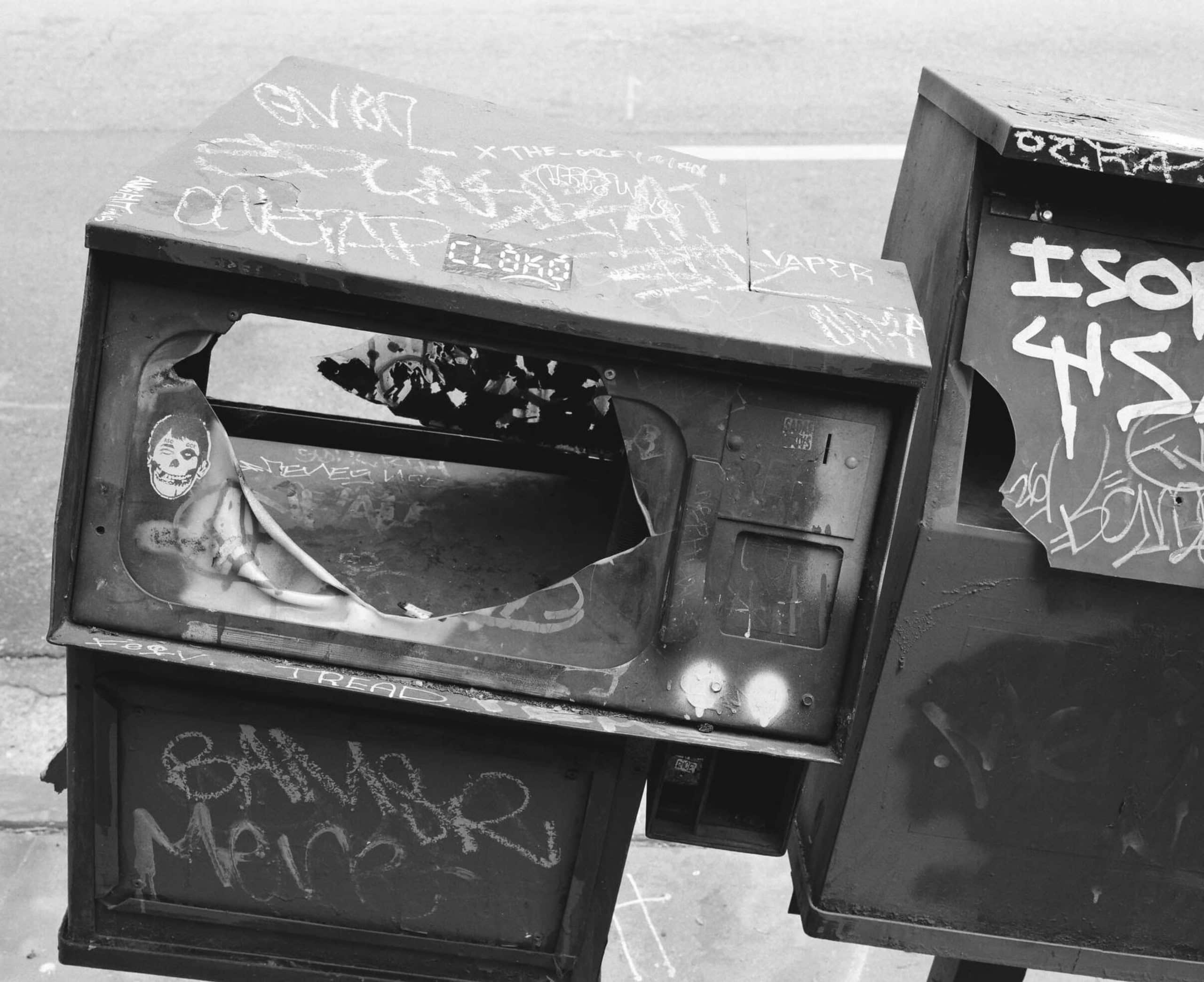
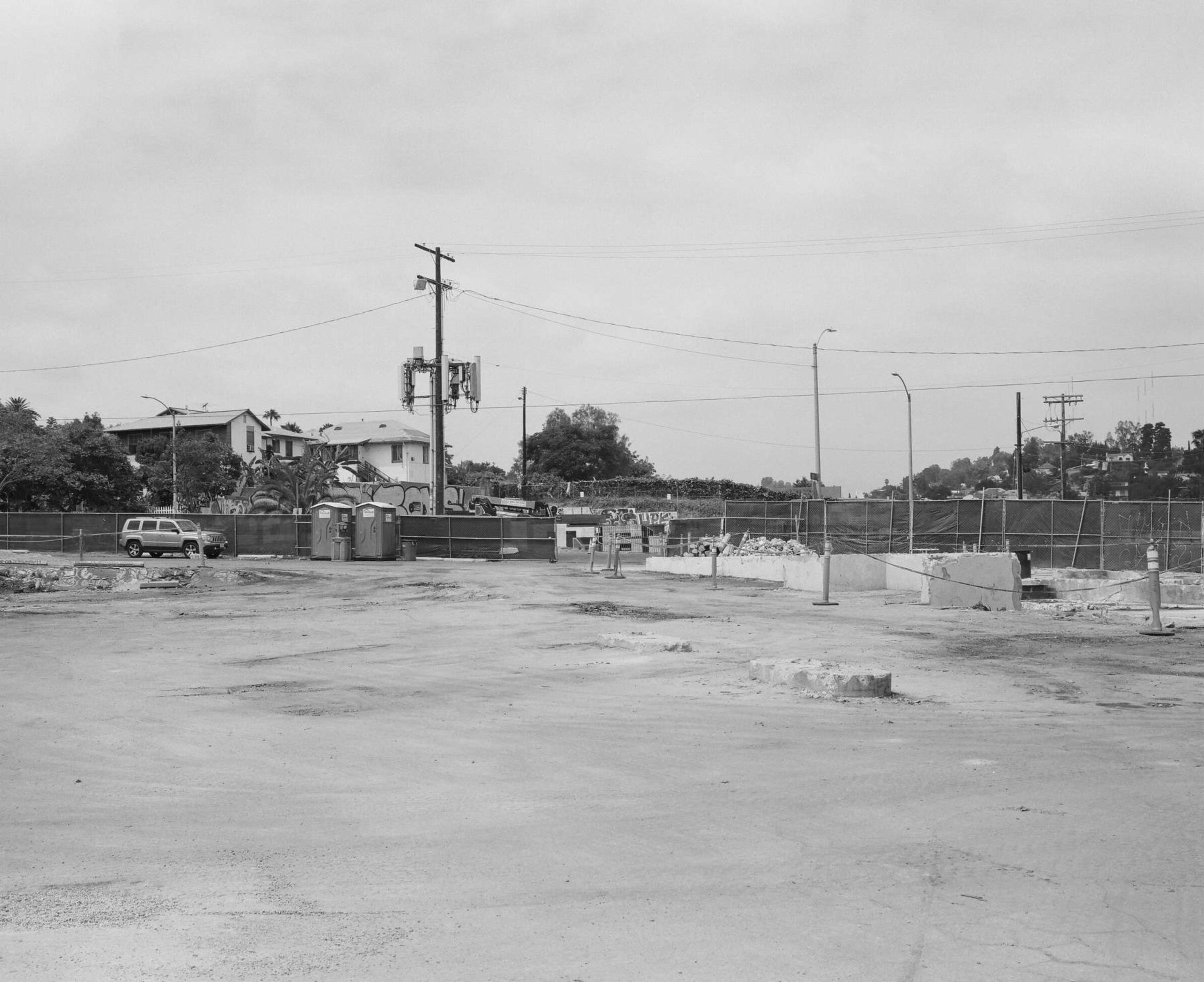
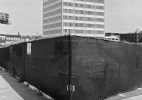
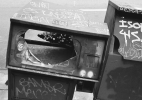
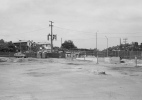
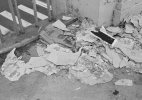
Arturo Soto’s black-and-white photographs begin after the building has disappeared. A fenced property, exposed ground, scattered debris, a damaged newspaper box, and the surrounding intersection become the coordinates through which the former restaurant can still be located. Barriers redirect movement, temporary surfaces divide public space from private development, and the restaurant’s absence becomes visible as a set of altered relations between street, sidewalk, fence, debris, and ground.
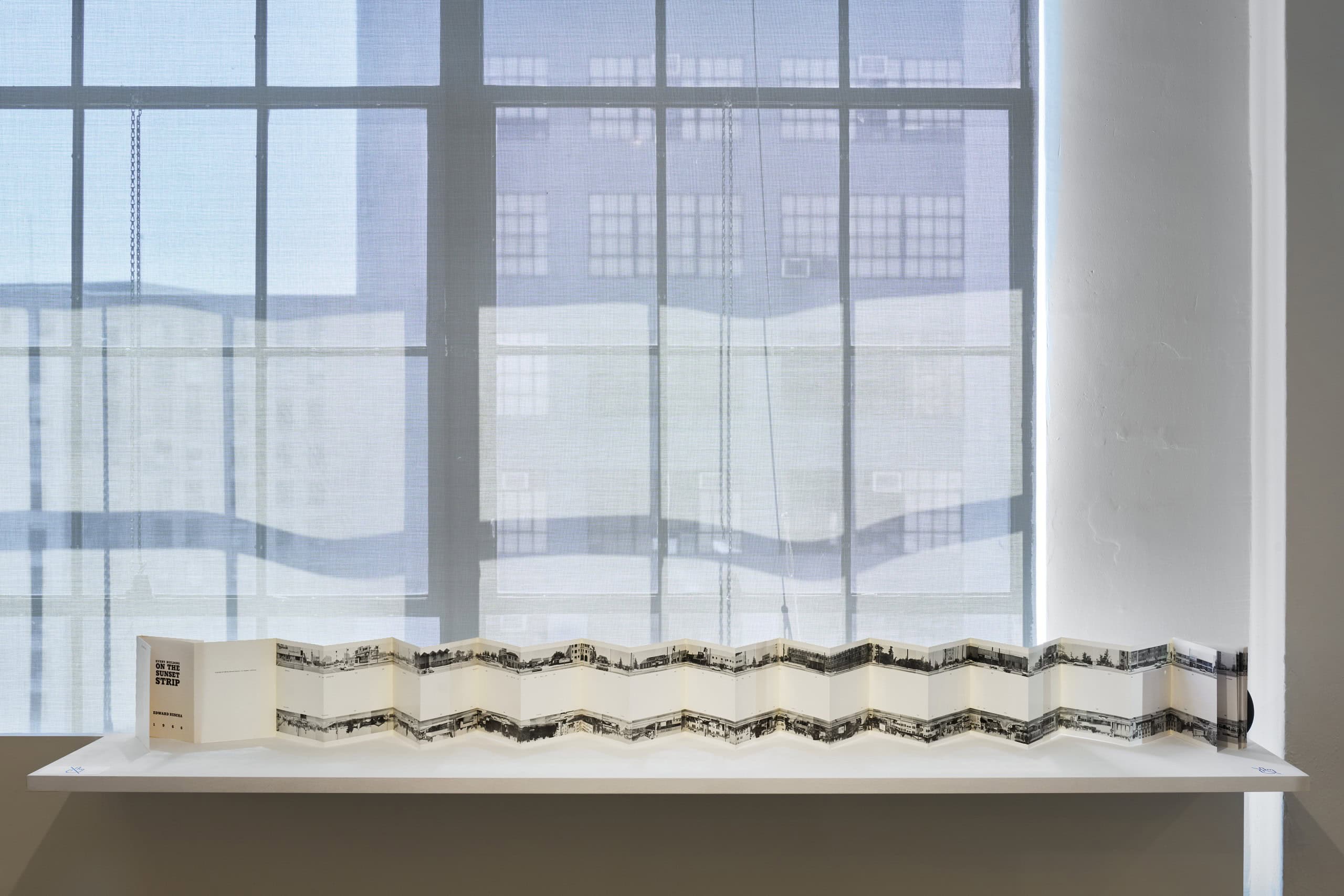
Ed Ruscha’s Every Building on the Sunset Strip provides an earlier photographic context for the boulevard, though its 1966 sequence surveyed a different section of Sunset. Ruscha later photographed 1911 Sunset Boulevard in his ongoing surveys of the street, placing Taix within a decades-long record of the city’s continual remaking. Seen across those surveys, change appears less as an interruption than as the city’s ordinary condition. Where Ruscha follows that condition along the boulevard and over time, the six artists gathered here concentrate on one address and the social life, damage, and absence attached to it.
An address suggests permanence, yet the relation between a building and a site is always provisional. A street number, business name, sign, or detachable fragment may survive even after the conditions that gave them meaning have disappeared. The works in 1911 Sunset Boulevard do not attempt to rebuild Taix from its remnants. They present rooms, bodies, atmospheres, interruptions, surfaces, and aftereffects to suggest how Taix persists as a set of partial encounters.