


1995%0D%0A%0D%0AFrom page: https://galleryluisotti.com/exhibitions/lewis-baltz-the-deaths-in-newport/%0D%0A%0D%0A------------%0D%0A%0D%0APlease add your message and contact information below : %0D%0A%0D%0A%0D%0A%0D%0A%0D%0A%0D%0A)

1995%0D%0A%0D%0AFrom page: https://galleryluisotti.com/exhibitions/lewis-baltz-the-deaths-in-newport/%0D%0A%0D%0A------------%0D%0A%0D%0APlease add your message and contact information below : %0D%0A%0D%0A%0D%0A%0D%0A%0D%0A%0D%0A)

1995%0D%0A%0D%0AFrom page: https://galleryluisotti.com/exhibitions/lewis-baltz-the-deaths-in-newport/%0D%0A%0D%0A------------%0D%0A%0D%0APlease add your message and contact information below : %0D%0A%0D%0A%0D%0A%0D%0A%0D%0A%0D%0A)

1995%0D%0A%0D%0AFrom page: https://galleryluisotti.com/exhibitions/lewis-baltz-the-deaths-in-newport/%0D%0A%0D%0A------------%0D%0A%0D%0APlease add your message and contact information below : %0D%0A%0D%0A%0D%0A%0D%0A%0D%0A%0D%0A)

1995%0D%0A%0D%0AFrom page: https://galleryluisotti.com/exhibitions/lewis-baltz-the-deaths-in-newport/%0D%0A%0D%0A------------%0D%0A%0D%0APlease add your message and contact information below : %0D%0A%0D%0A%0D%0A%0D%0A%0D%0A%0D%0A)

1995%0D%0A%0D%0AFrom page: https://galleryluisotti.com/exhibitions/lewis-baltz-the-deaths-in-newport/%0D%0A%0D%0A------------%0D%0A%0D%0APlease add your message and contact information below : %0D%0A%0D%0A%0D%0A%0D%0A%0D%0A%0D%0A)

1995%0D%0A%0D%0AFrom page: https://galleryluisotti.com/exhibitions/lewis-baltz-the-deaths-in-newport/%0D%0A%0D%0A------------%0D%0A%0D%0APlease add your message and contact information below : %0D%0A%0D%0A%0D%0A%0D%0A%0D%0A%0D%0A)
_ 48x96_&body=%0D%0AI would like more information about purchasing : 11777 Foothill Blvd. (Los Angeles)_ 48x96_%0D%0A%0D%0A------------%0D%0A%0D%0AImage: https://galleryluisotti.com/wordpress/wp-content/uploads/2026/03/11777-Foothill-Blvd.-Los-Angeles_-48x96_-1.jpg%0D%0A%0D%0ACaption: Lewis Baltz
11777 Foothill Blvd., Los Angeles, CA, 1992%0D%0A%0D%0AFrom page: https://galleryluisotti.com/exhibitions/lewis-baltz-the-deaths-in-newport/%0D%0A%0D%0A------------%0D%0A%0D%0APlease add your message and contact information below : %0D%0A%0D%0A%0D%0A%0D%0A%0D%0A%0D%0A)
Lewis Baltz: The Deaths in Newport
April 1 – May 30, 2026
Lewis Baltz: The Deaths in Newport
In collaboration with Paradox (Amsterdam)
Co-organized and with an essay by Andrew Witt
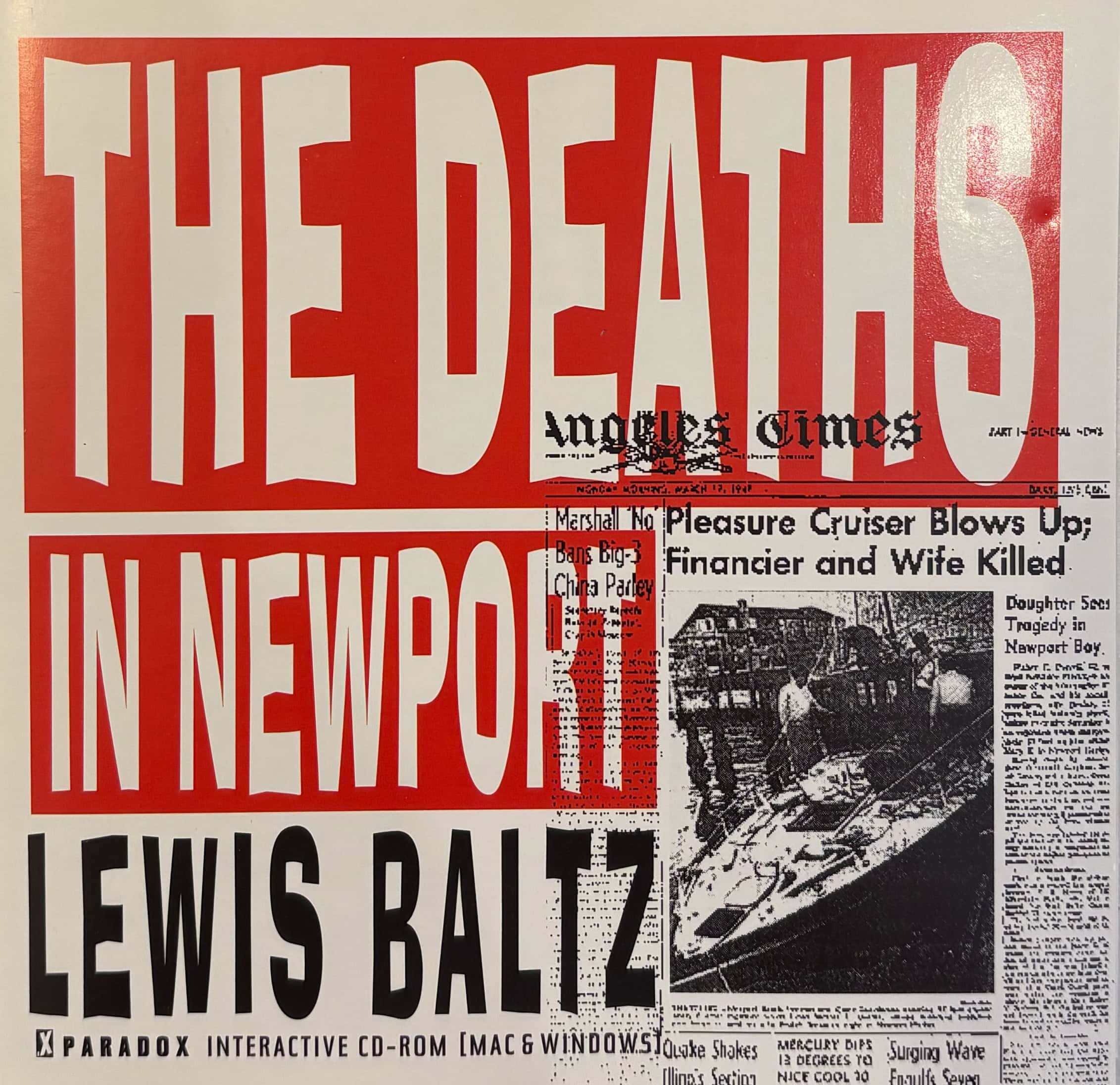
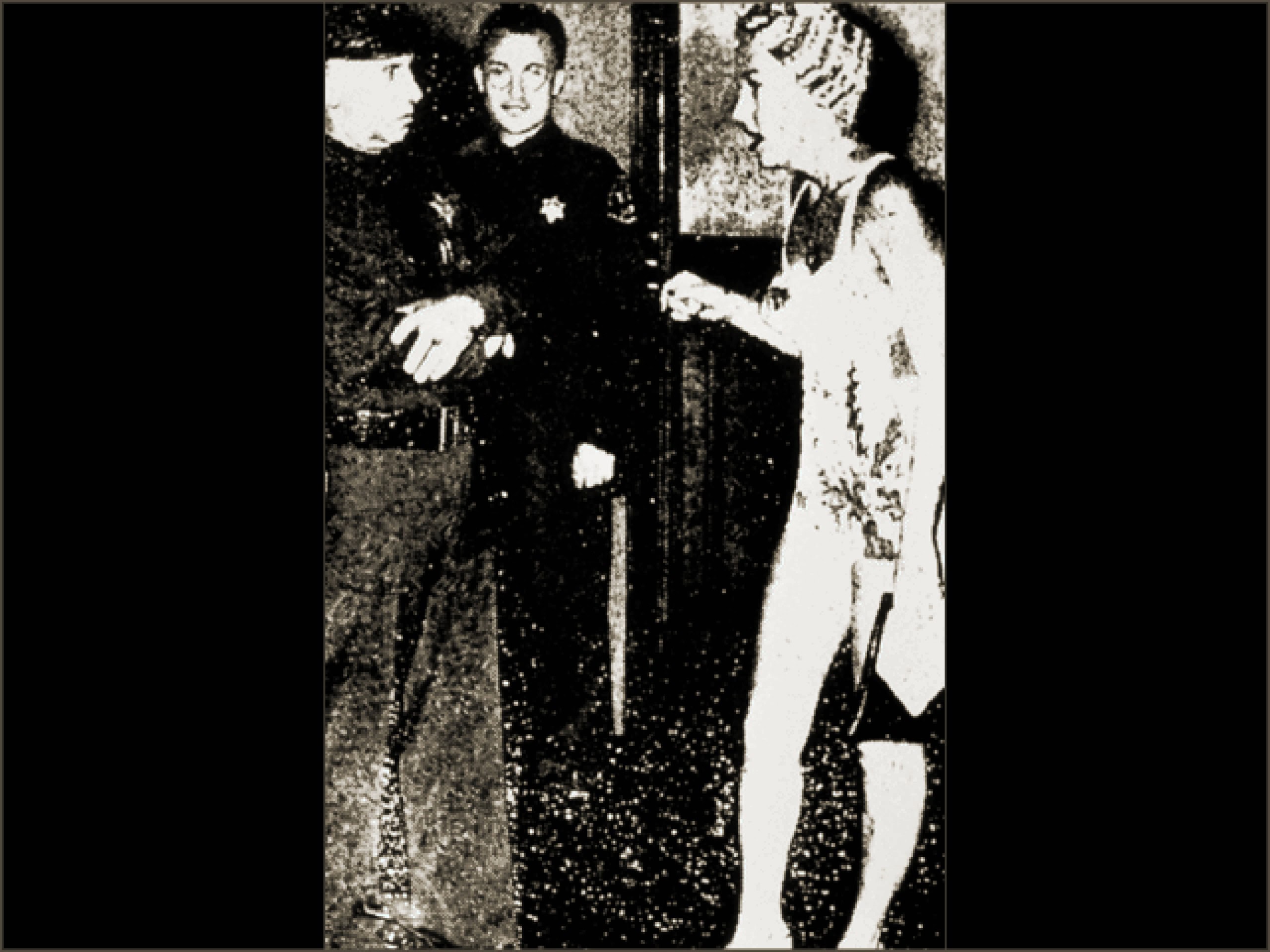
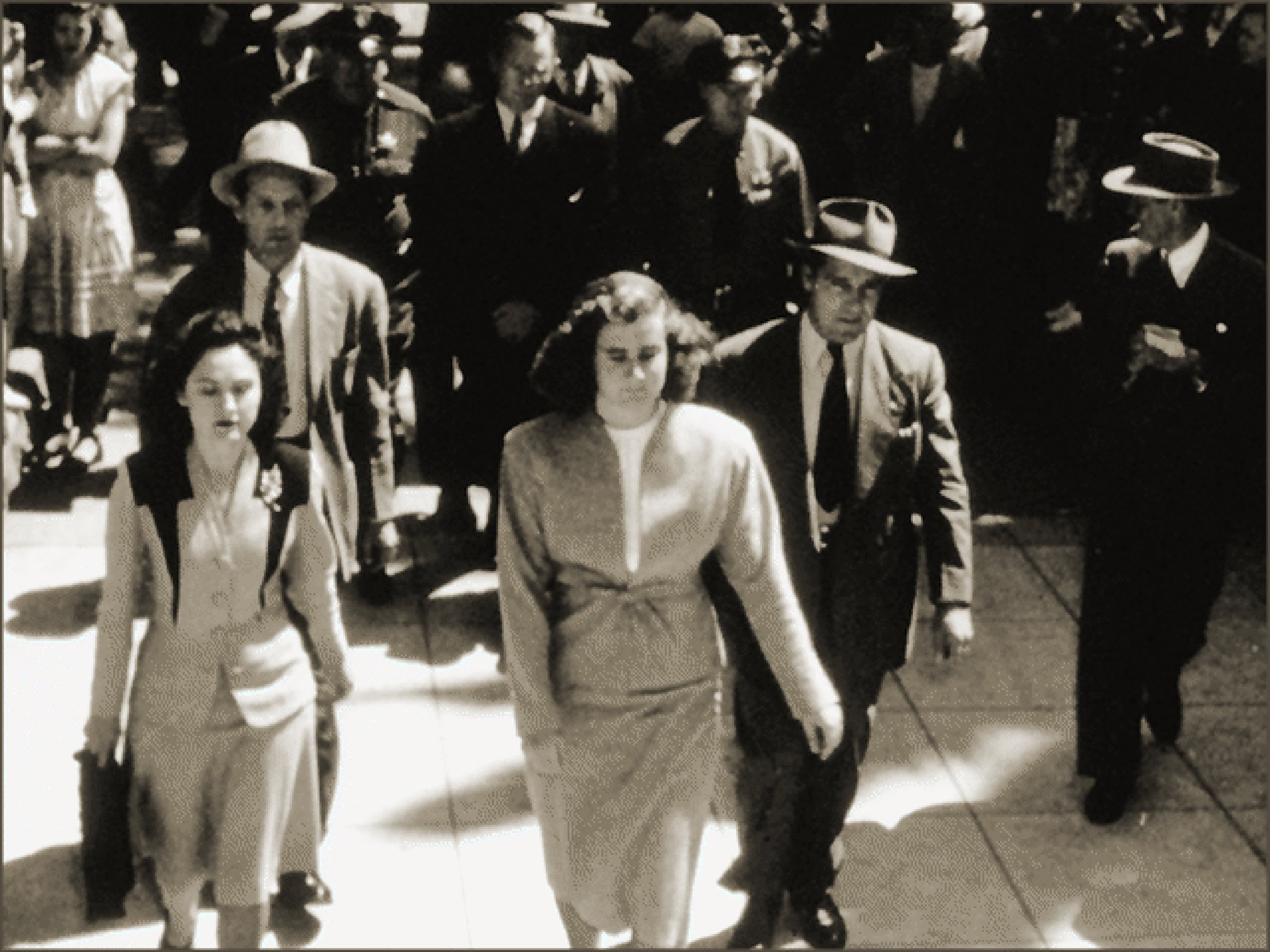
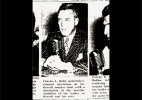
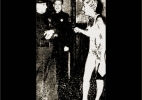
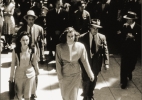
Gallery Luisotti is proud to present Lewis Baltz: The Deaths in Newport, marking the first public presentation in over thirty years of the photographer’s largely unseen research project. The Deaths in Newport (1995) was first and only exhibited in the United States at Gallery Luisotti in April 1996. Thirty years later, to the date, the gallery recreates this presentation, returning Baltz’s experimental work to public view and revisiting his extended engagement with the materials and conventions of what we now know today as the true crime genre.
This exhibition is co-organized with art historian Andrew Witt and features his new essay True Crime, which re-examines Baltz’s experimental video piece, exploring themes across the artist’s career and within the history of Los Angeles, while bringing this historical work into a contemporary view. This essay will be available at the gallery in tabloid form during the run of the show.
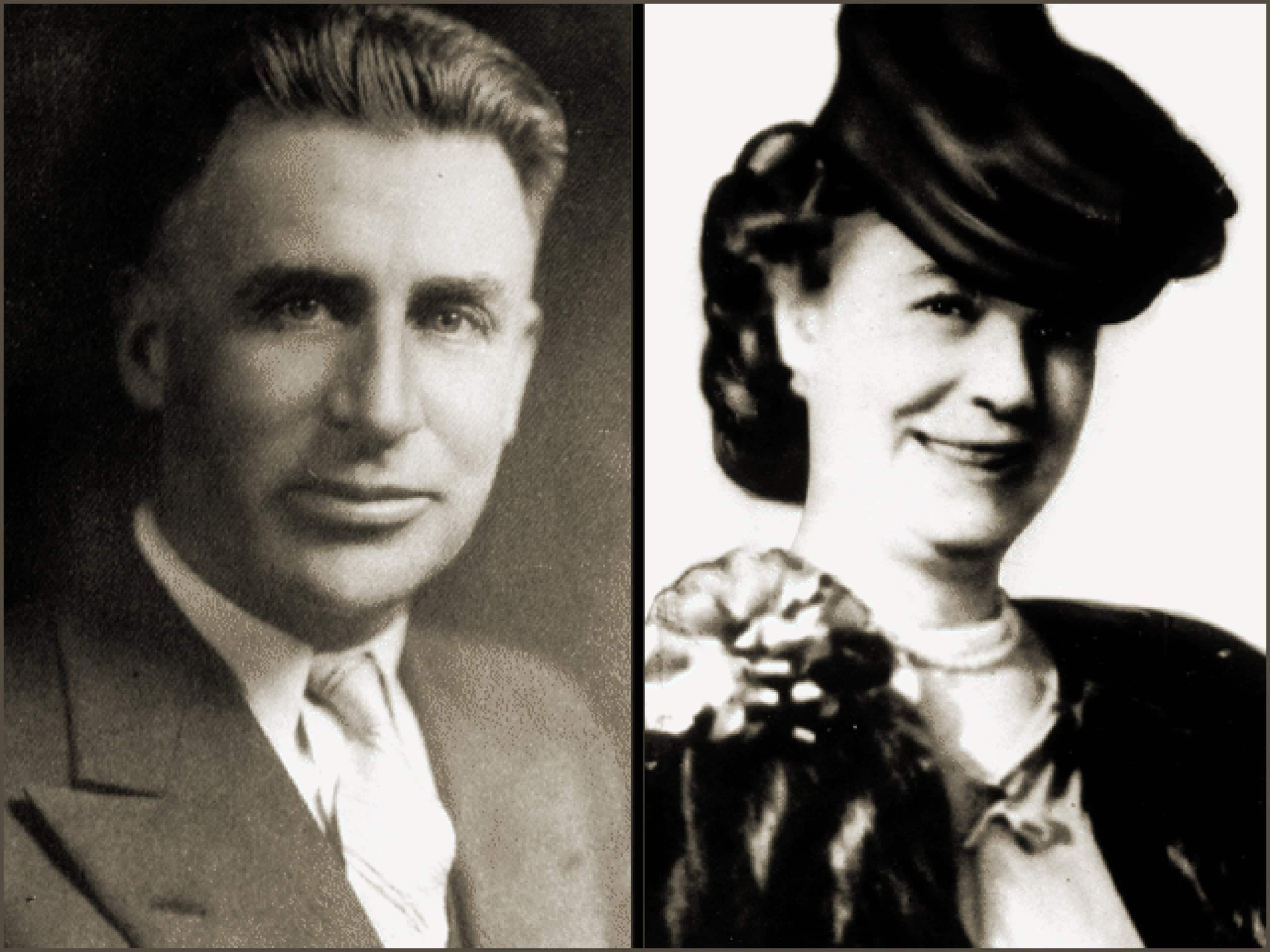
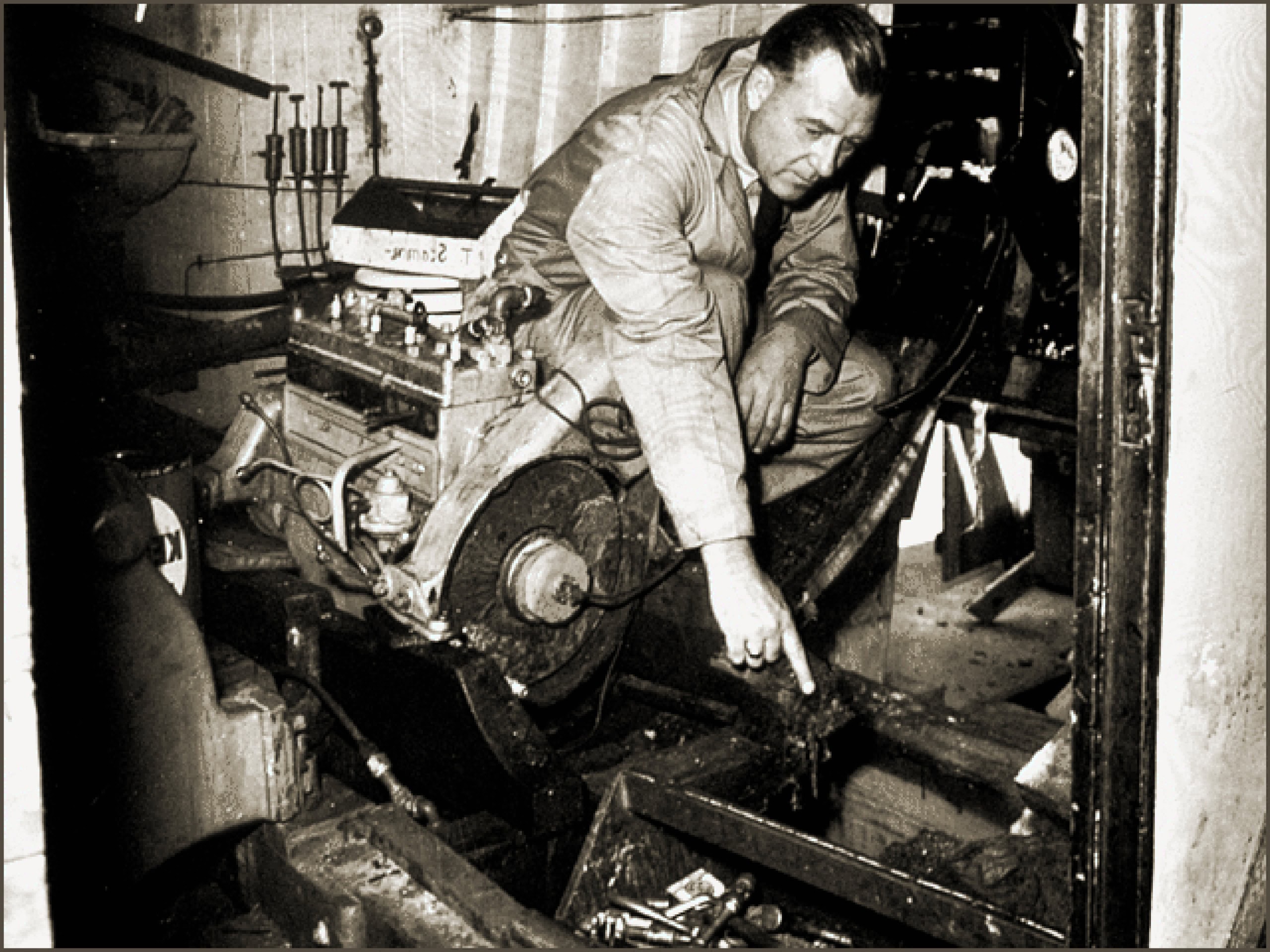
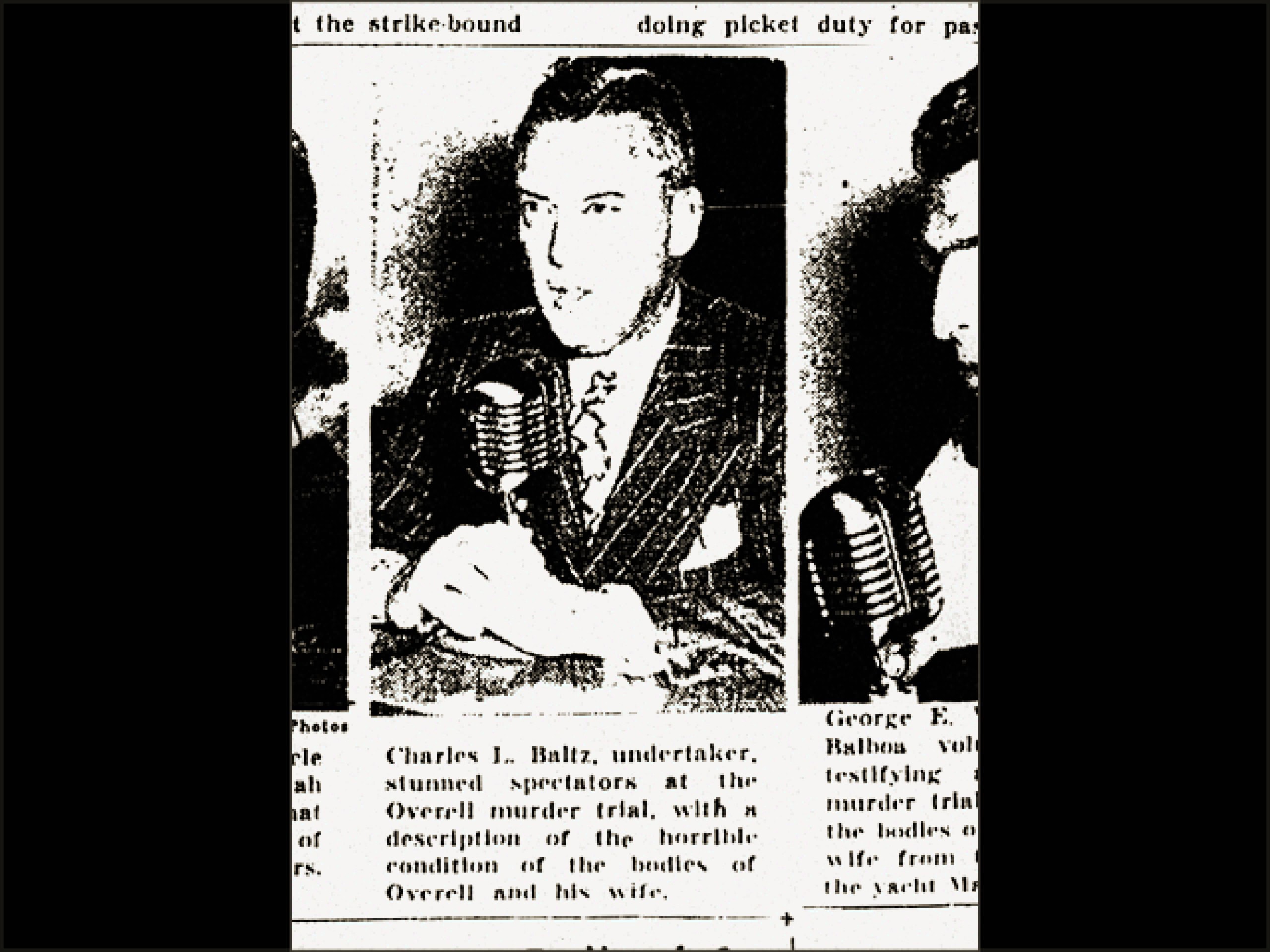
At the center of The Deaths in Newport is the notorious 1947 Overell murder case, at the time one of the longest and most sensational trials in California history. Two young lovers, 17-year-old Beulah Louise Overell and her 21-year-old fiancé, George “Bud” Gollum, were accused of using dynamite to blow up a family boat in Newport Harbor, killing Beulah’s parents. Early reports framed the incident as an open-and-shut case, with evidence suggesting a clear motive. The proceedings lasted nineteen weeks and drew national attention, with daily press coverage that transformed the Newport Beach courtroom into a stage for one of the era’s most closely followed murder trials. The trial left a lasting imprint on the local community. Baltz approached the case through archival research and photographic sequencing, an account further unsettled by an unexpected personal connection: his father, the local mortician, served as the star witness during the trial. He spent several years assembling court records, press accounts, photographs, and first-hand testimony.
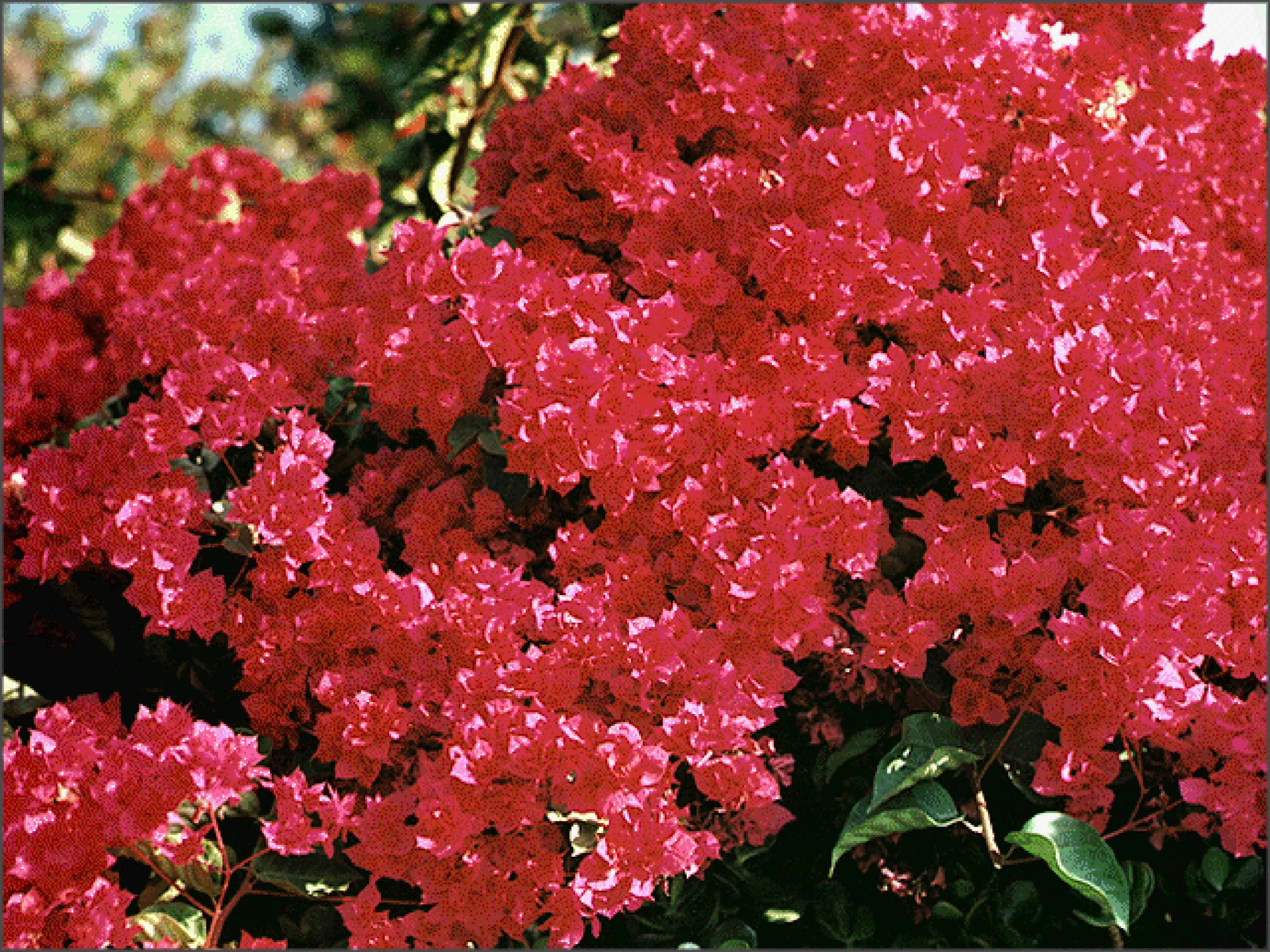
Originally produced by Paradox (Amsterdam) as an interactive CD-ROM photo-essay, the work is presented here in an early digital video format that preserves its forensic structure and sequencing. Developed at the moment when personal computing and digital media were beginning to reshape photographic storytelling, the project employs an experimental approach that moves beyond the printed photograph and gallery wall.
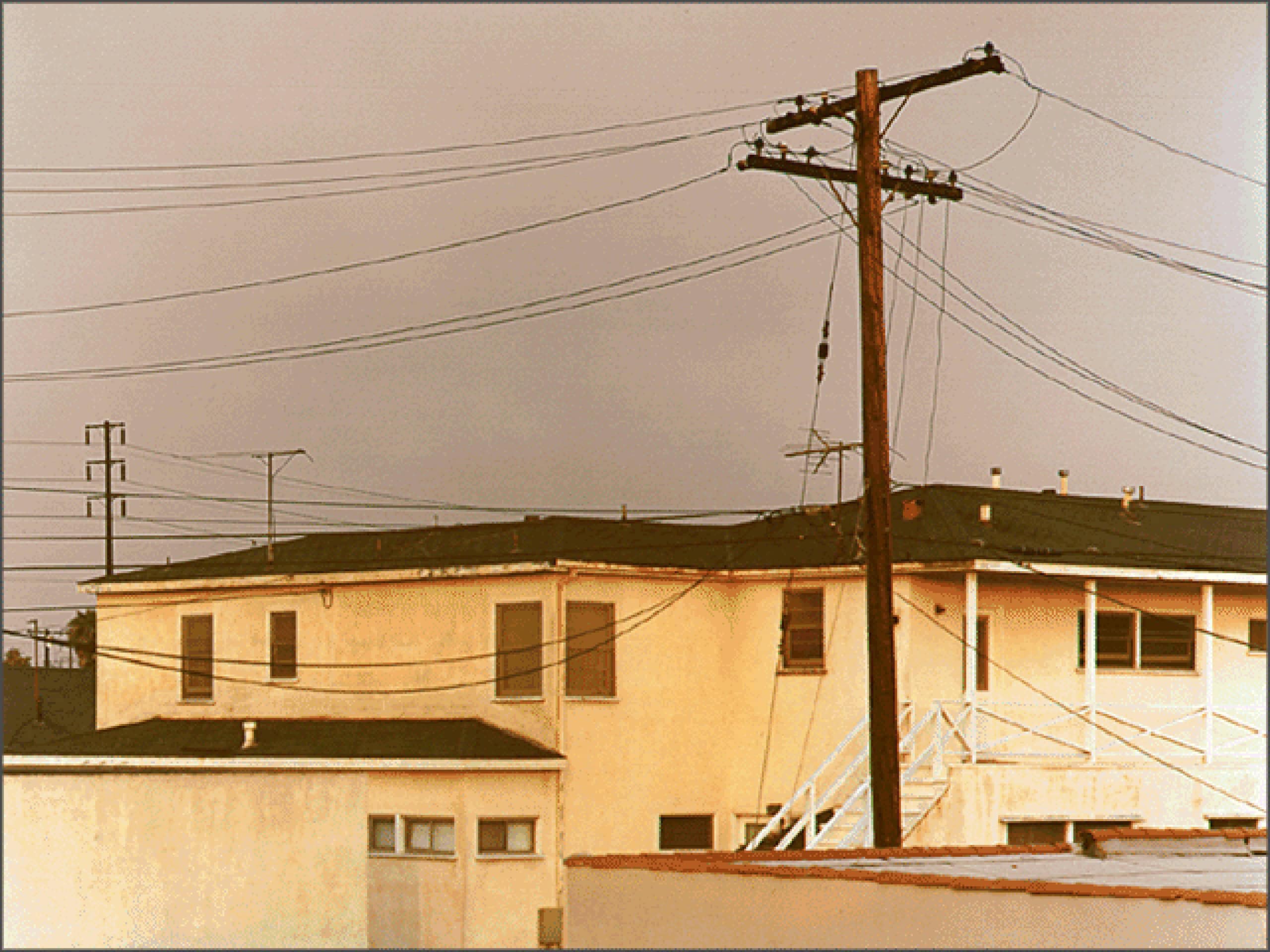
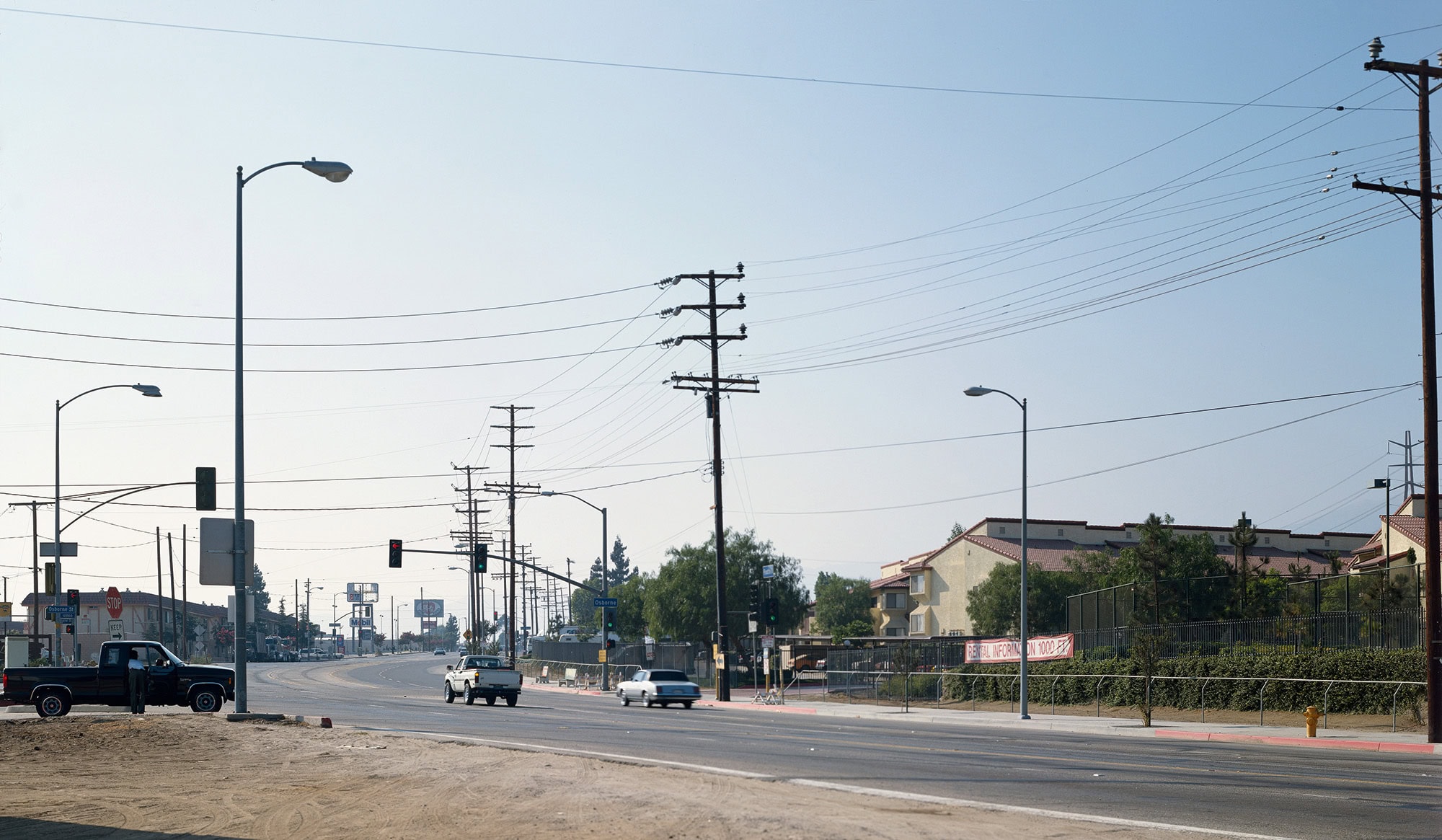
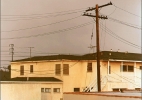
Baltz’s video draws our attention to his photograph 11777 Foothill Blvd., Los Angeles, CA (1991), an image that also appeared in the photo-essay and later served as the introductory image to his 1992 LACMA retrospective, Rule Without Exception (March 26 – May 31, 1992). Unlike the found images that structure much of the photo-essay, this photograph was made by Baltz himself while researching The Deaths in Newport. The image was taken at the site where members of the Los Angeles Police Department viciously beat Rodney King. Baltz’s photograph is not a literal depiction of the incident, but a view from that very spot looking outward. While Baltz never explicitly addressed why he included the image in the narration of The Deaths in Newport, the two works offer a parallel exploration of how he approached the afterlives of public trauma through a forensic mode. Viewed together, they reveal an unexpected dimension of Baltz’s practice in the early 1990s, when his long-standing interest in photographic evidence and institutional power found a new form in the emerging language of digital media.
–
Lewis Baltz (1945–2014) was a pivotal figure in postwar American photography whose work redefined the conventions of landscape representation. Emerging in the context of the landmark 1975 exhibition New Topographics: Photographs of a Man-Altered Landscape, Baltz developed a rigorous, conceptually driven practice that rejected the romanticism of traditional landscape photography in favor of a cool, forensic examination of the built environment.
Working primarily in serial form, Baltz produced austere black-and-white photographs of industrial parks, suburban tracts, and marginal spaces shaped by late-capitalist expansion. Projects such as The Tract Houses (1971) and The New Industrial Parks near Irvine, California (1974) exemplify his precise visual language—marked by stark tonal control, repetition, and an exacting attention to surface—through which architecture becomes a proxy for broader systems of power, control, and anonymity. His images are notable for their restraint and clarity, offering neither overt critique nor sentiment, yet revealing the psychological and environmental consequences embedded within these seemingly neutral spaces.
In later decades, Baltz expanded his practice to include color, video, and large-scale installations, often working in Europe and engaging more directly with the intersections of technology, surveillance, and global capital. Across his career, he remained deeply attuned to the ways in which contemporary landscapes are constructed, mediated, and experienced.
Baltz’s work is held in major public collections including the Museum of Modern Art, New York; the San Francisco Museum of Modern Art; the J. Paul Getty Museum, Los Angeles; the Centre Pompidou, Paris; and the Tate, London.
Andrew Witt is an art historian and critic who writes on contemporary art. He is currently the 2025–2026 Periculum Foundation for Contemporary Art Discourse Fellow. His book “Lost Days, Endless Nights: Photography and Film from Los Angeles” was published in 2025 by the MIT Press. His writing has appeared in Camera Austria, History of Photography, Oxford Art Journal and Philosophy of Photography. He completed his PhD at University College London in 2017 and his MA at UCL in 2010. From 2018 to 2022, he was Postdoctoral Research Fellow at the Institut für Kunst- und Bildgeschichte, Humboldt Universität zu Berlin.
Paradox is a nonprofit organization founded in 1993. We develop projects on contemporary issues with documentary authors: photographers, filmmakers, visual artists, writers, and researchers.
Founded with the aim of stimulating the development of documentary photography, Paradox has initiated more than 60 unique productions that have travelled to some 120 venues worldwide. We organize symposia and produce exhibitions as well as audiovisual, digital and printed publications.
The recording of history as it unfolds and the interaction between the highly complex cultural, economic and technological facets of society are recurring areas of interest in both our thematic and monographic projects.
Our productions experiment with multidisciplinary and multimedia forms of presentation (photography, film, audio, text) and are disseminated through diverse platforms (exhibitions, websites, books, apps and educational programs). Our main goal is to reach as wide an audience as possible without losing the nuances that the addressed social issues require. This is the main driver behind our multi-platform strategy: by using a variety of platforms one reaches a variety of audiences. The synergy between different media and platforms creates new experiences for audiences and raises questions in unexpected ways. By combining old and new technology, media and platforms, we challenge the notions and conventions that surround the presentation of visual material.
Paradox does not program its own exhibition space but collaborates with venues in the Netherlands and abroad.