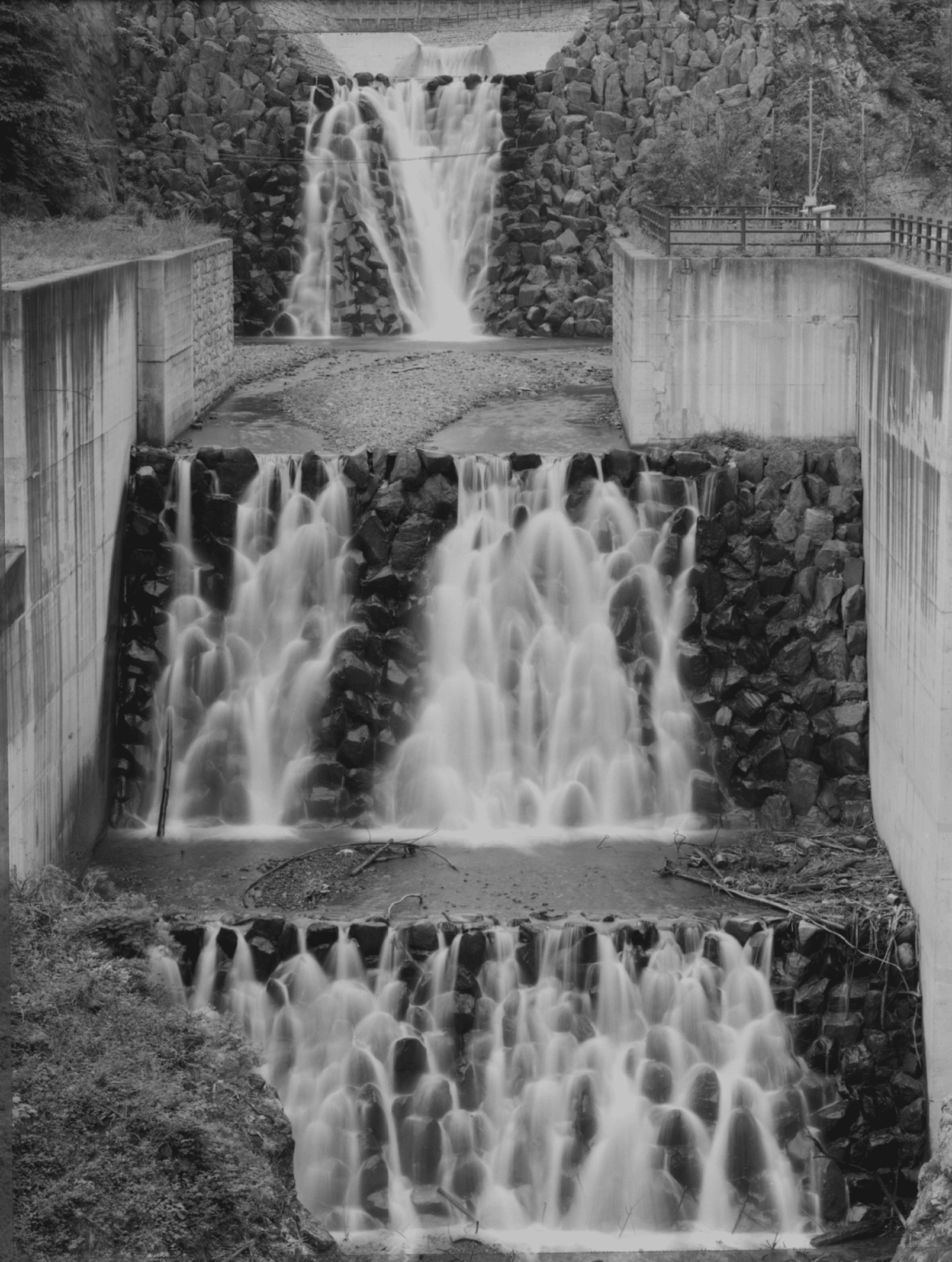
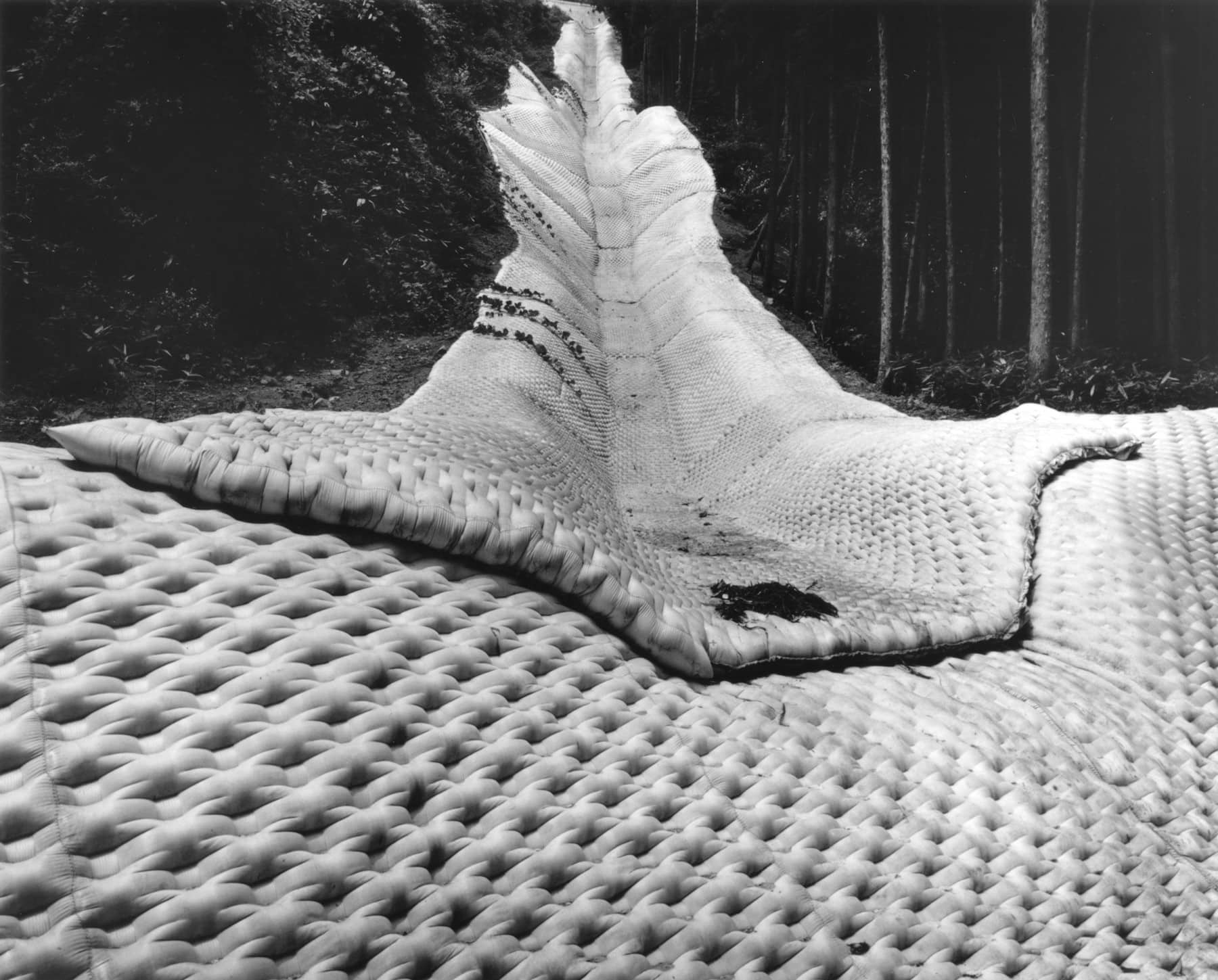
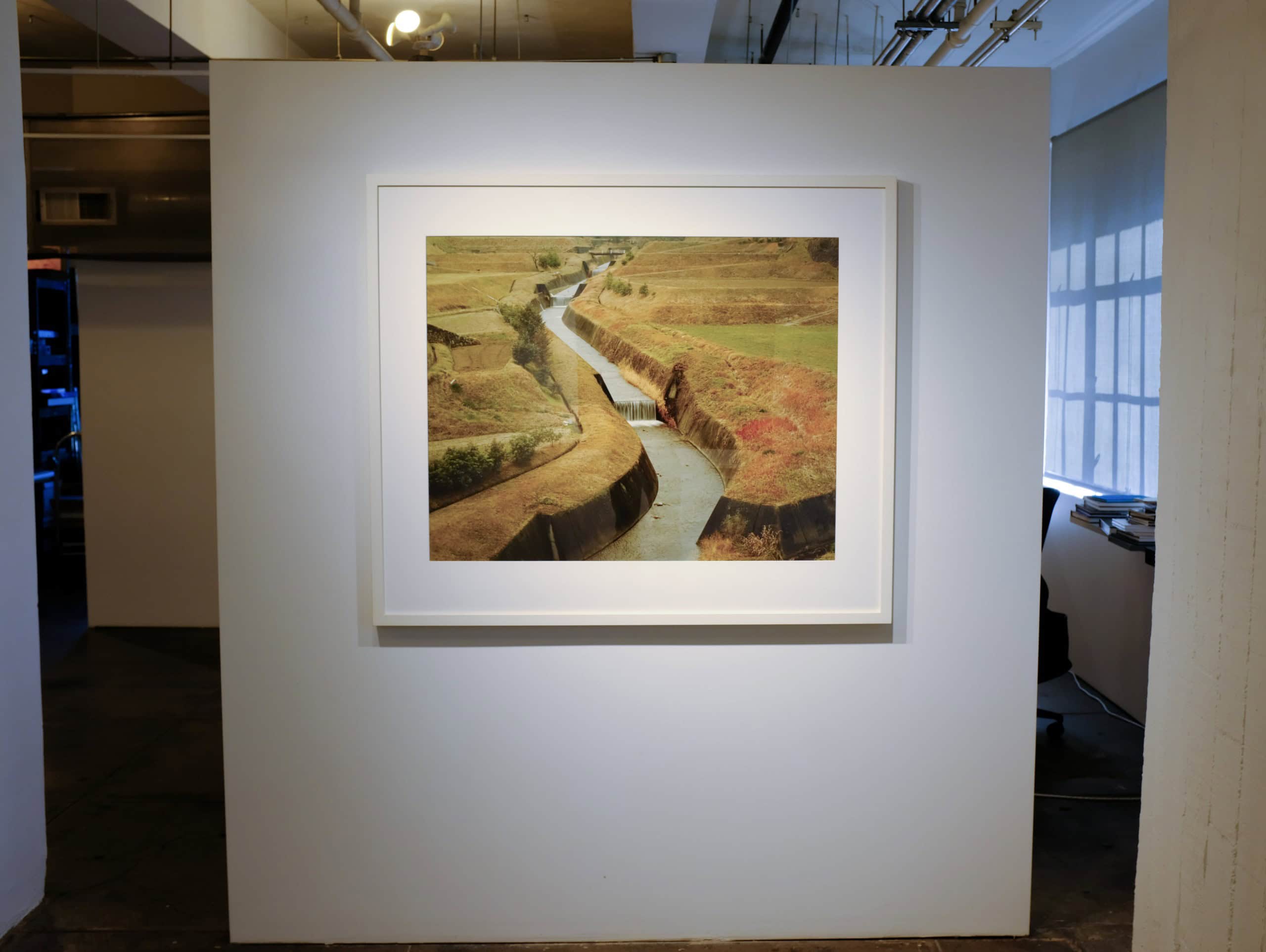
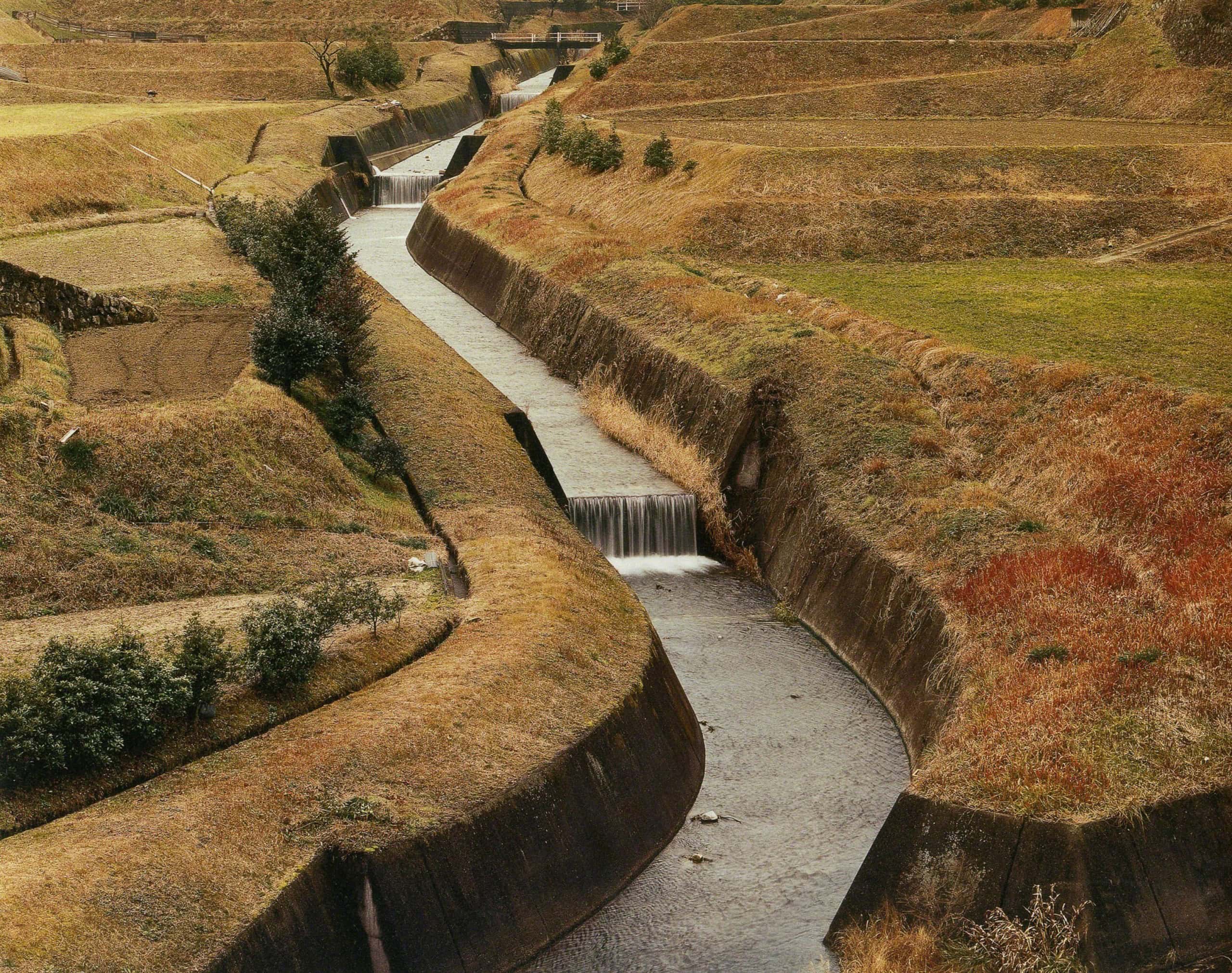
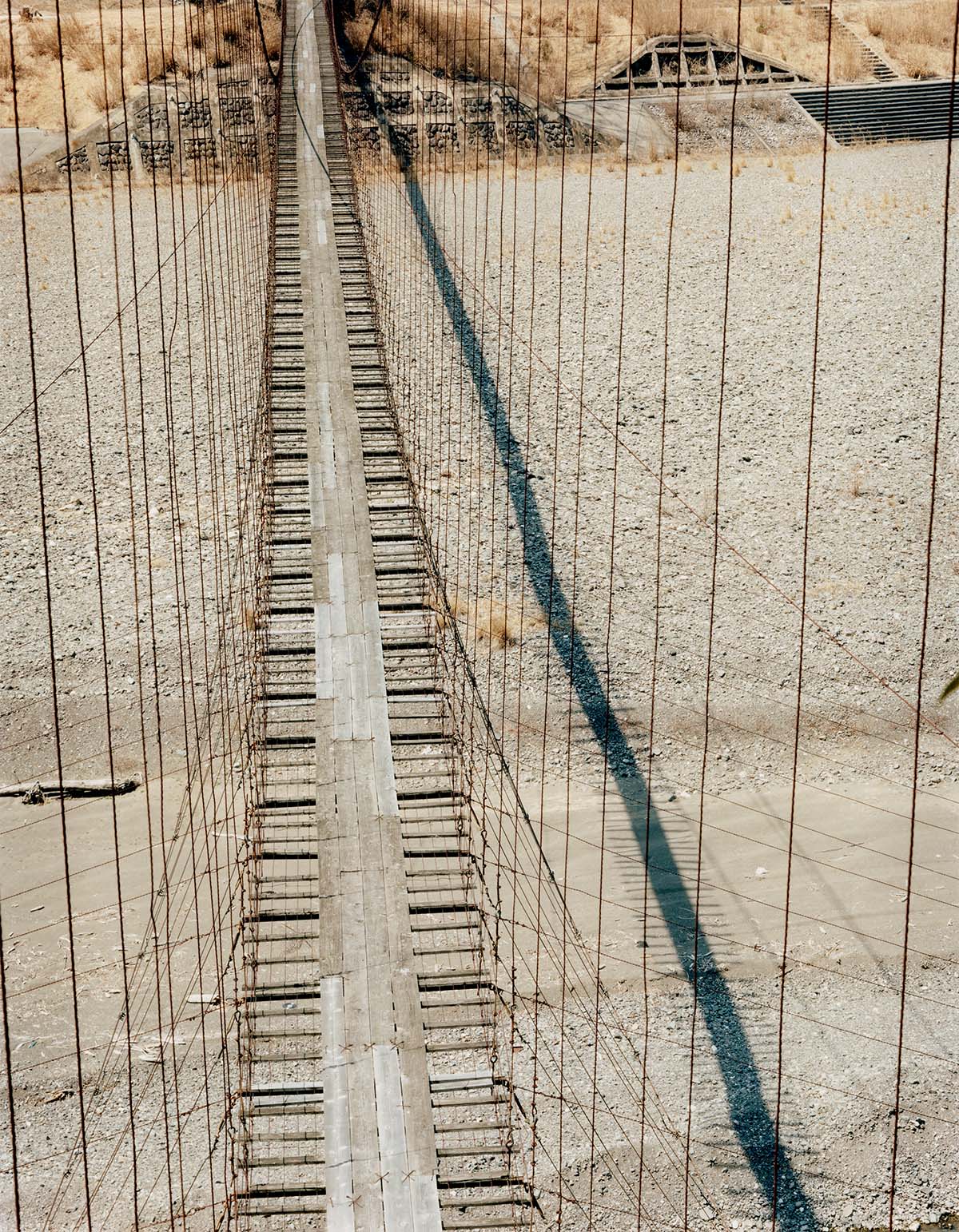

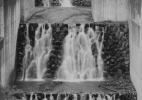
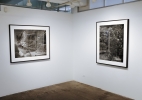
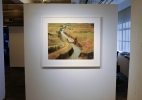
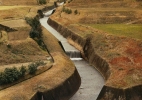

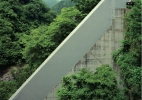



, 2011&body=%0D%0AI would like more information about purchasing : Totsukawa Village, Nara Pref.(C-1872), 2011%0D%0A%0D%0A------------%0D%0A%0D%0AImage: https://galleryluisotti.com/wordpress/wp-content/uploads/2026/06/Totsukawa-Village-Nara-Pref.C-1872-2011.jpg%0D%0A%0D%0ACaption: Totsukawa Village, Nara Prefecture, 2011
Fuji Crystal Archive print mounted to Dibond in a custom wood frame
20 x 24 inches
Edition 1 of 25%0D%0A%0D%0AFrom page: https://galleryluisotti.com/exhibitions/toshio-shibata-concrete-poetry/%0D%0A%0D%0A------------%0D%0A%0D%0APlease add your message and contact information below : %0D%0A%0D%0A%0D%0A%0D%0A%0D%0A%0D%0A)


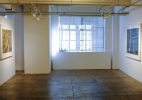
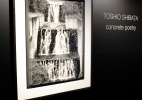
Toshio Shibata: Concrete Poetry
June 20–August 1, 2026
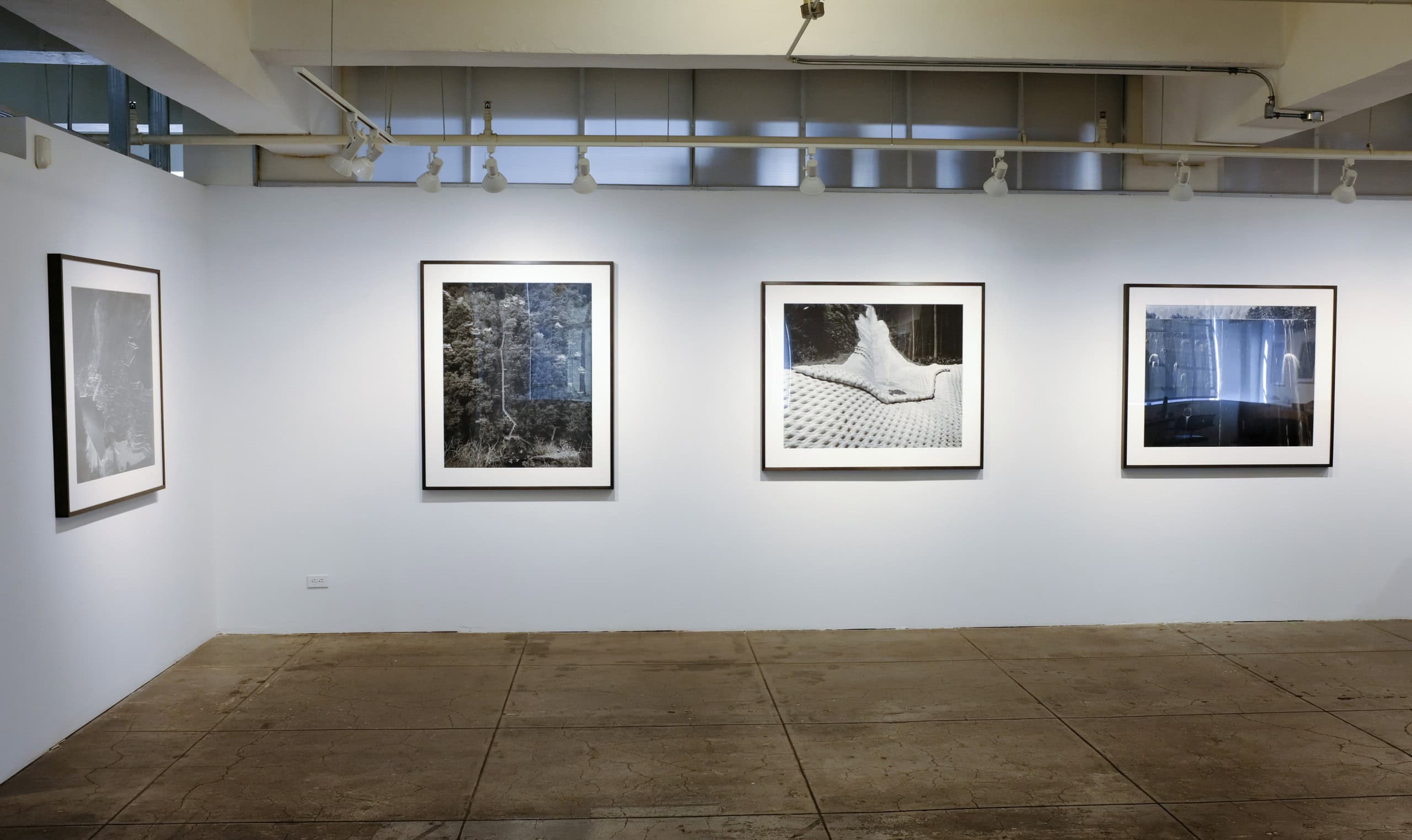
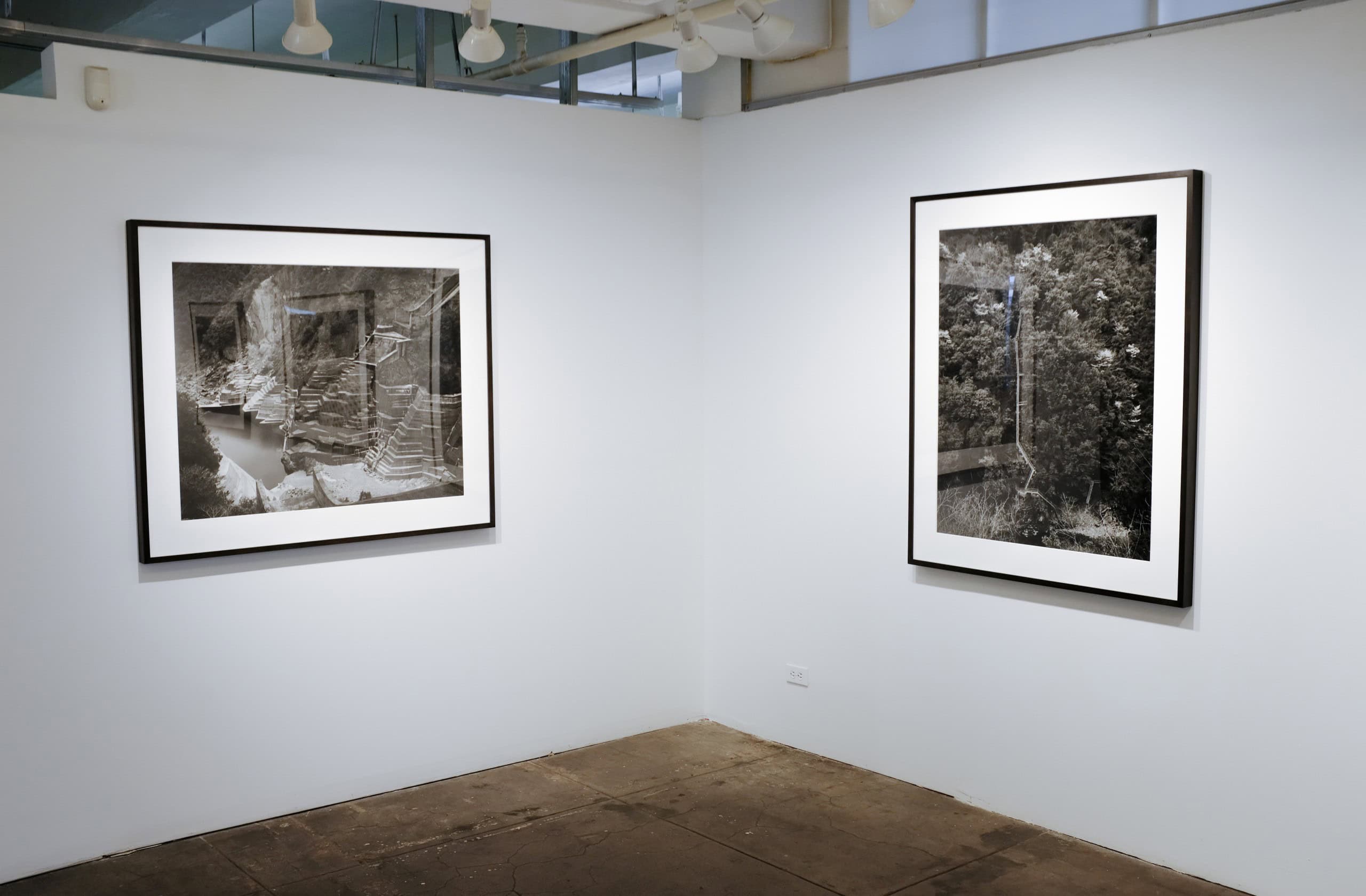
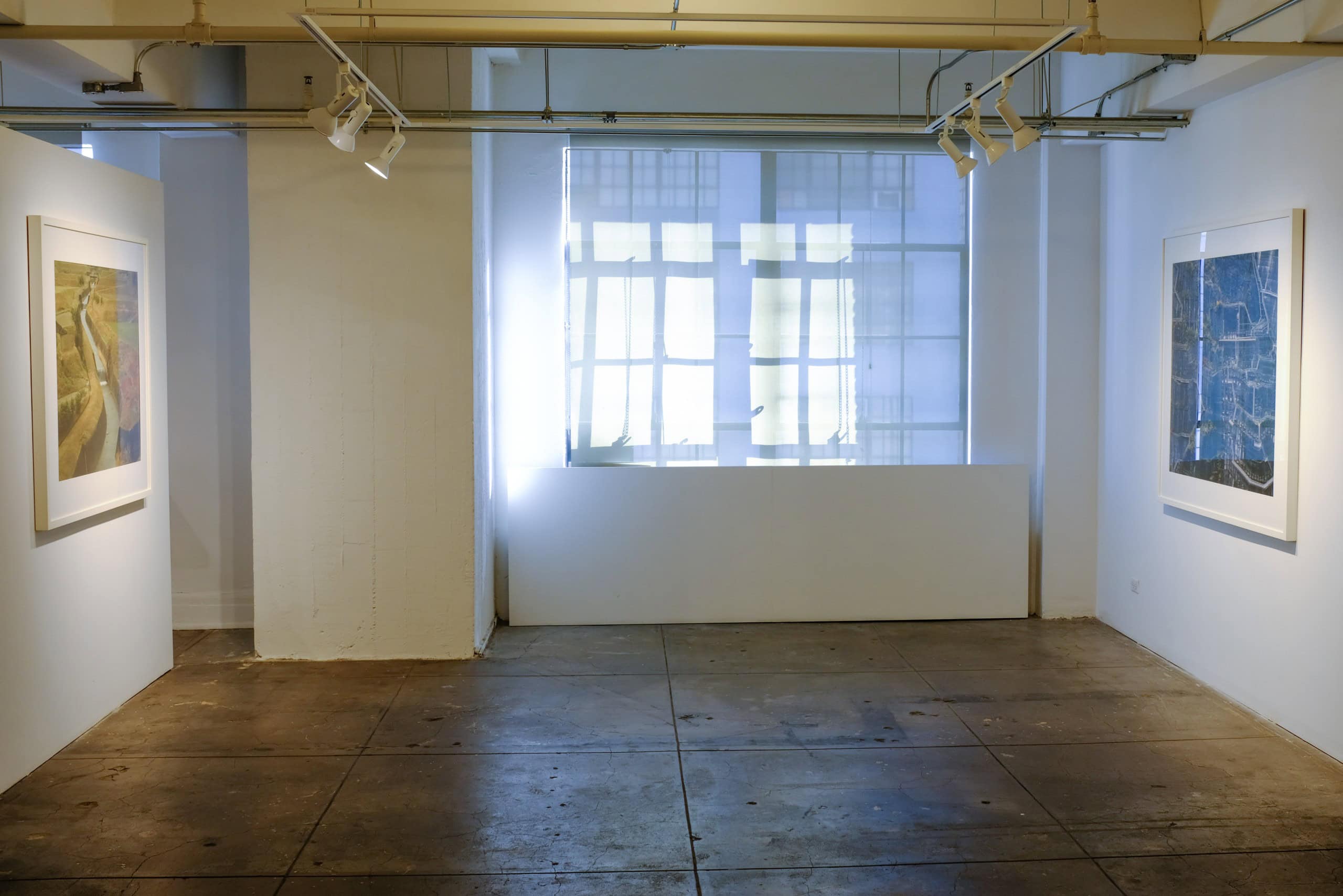
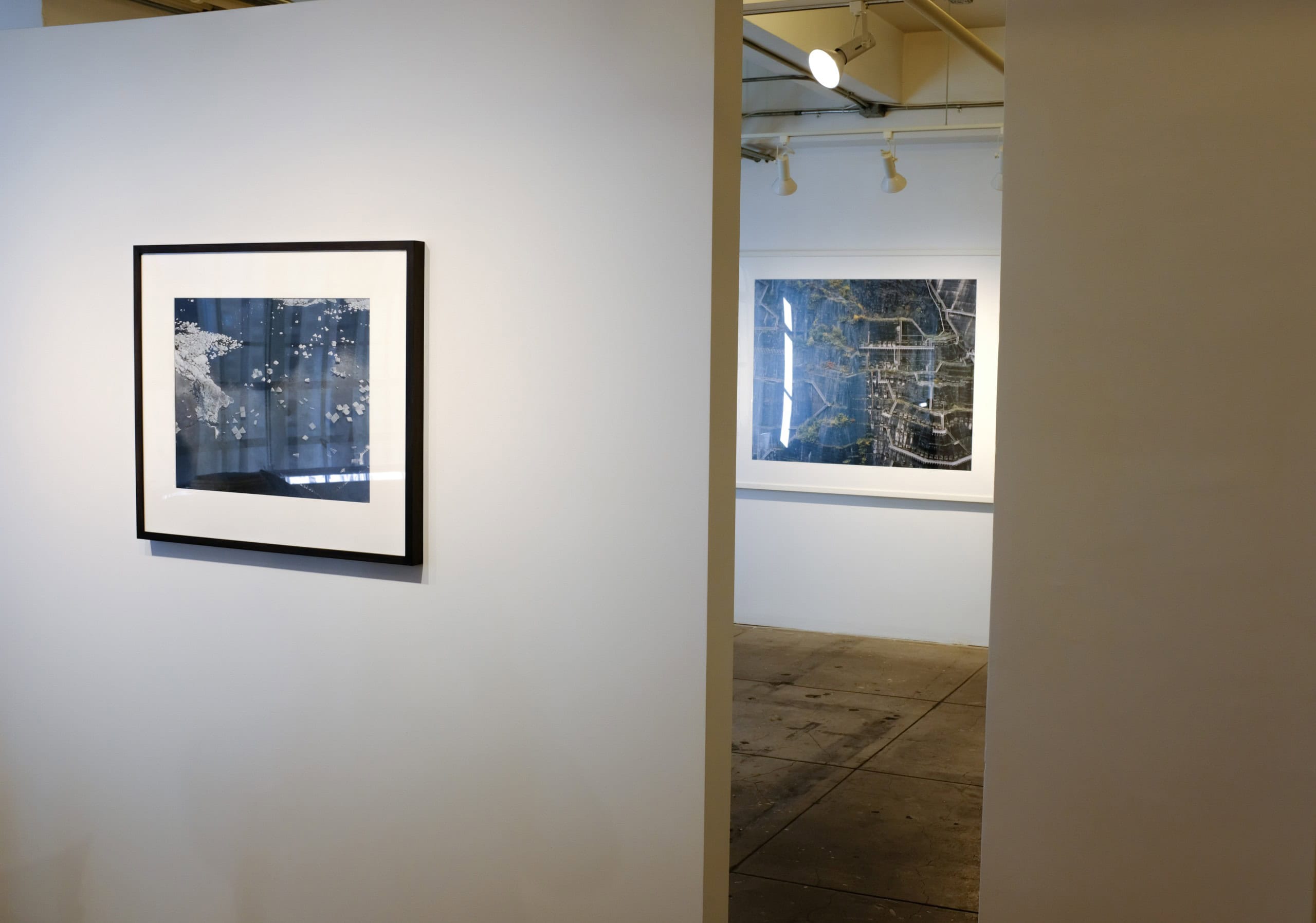
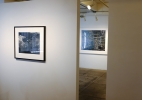
Gallery Luisotti is pleased to present a survey exhibition of photographs by Toshio Shibata, bringing together works spanning more than three decades of the artist’s career. Widely regarded as one of the most significant landscape photographers of his generation, Shibata has spent over forty years examining the complex relationship between the natural environment and the structures through which humans seek to shape it. Featuring both black-and-white and color photographs, the exhibition offers a comprehensive view of an artist whose singular vision has profoundly expanded the possibilities of contemporary landscape photography.
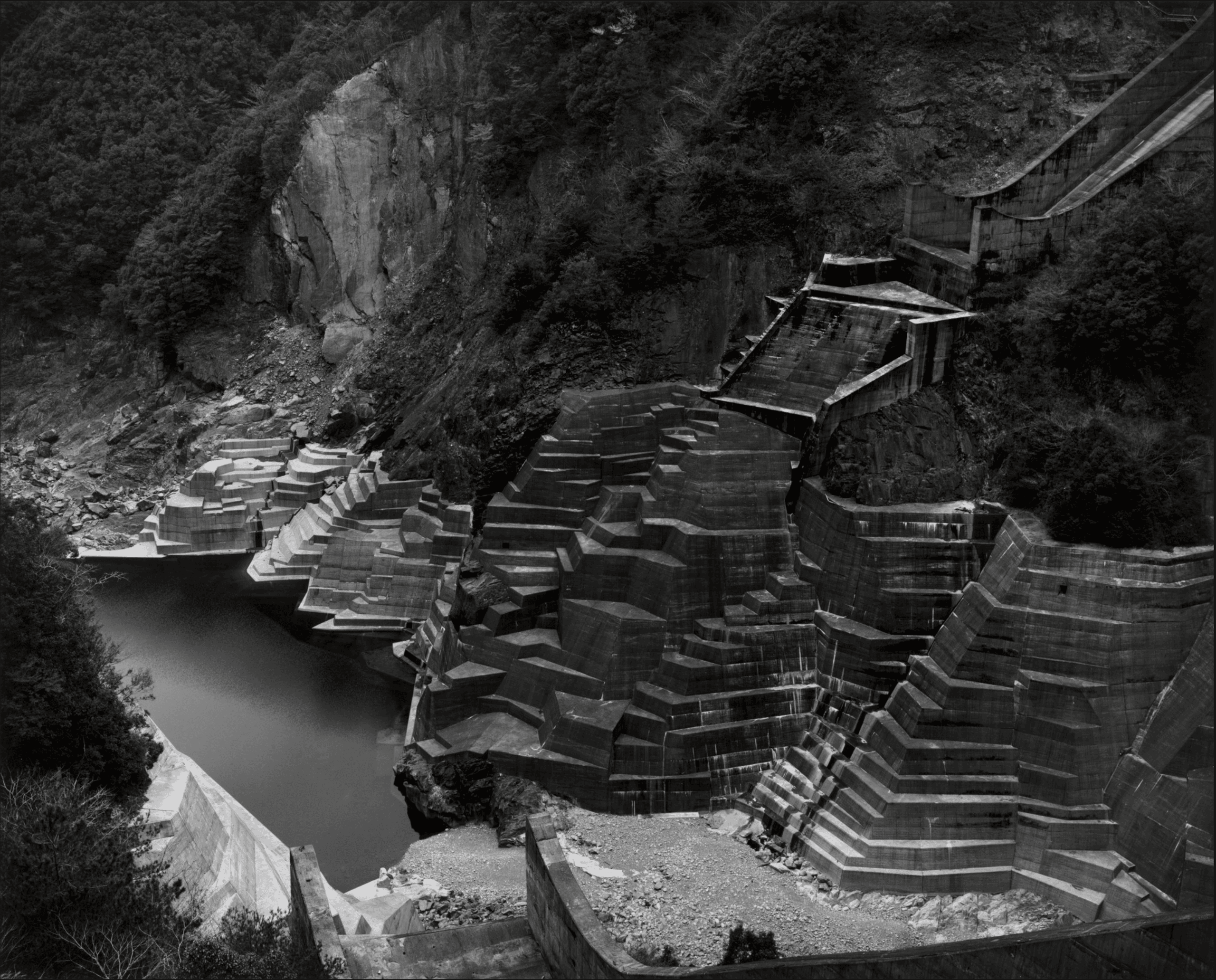
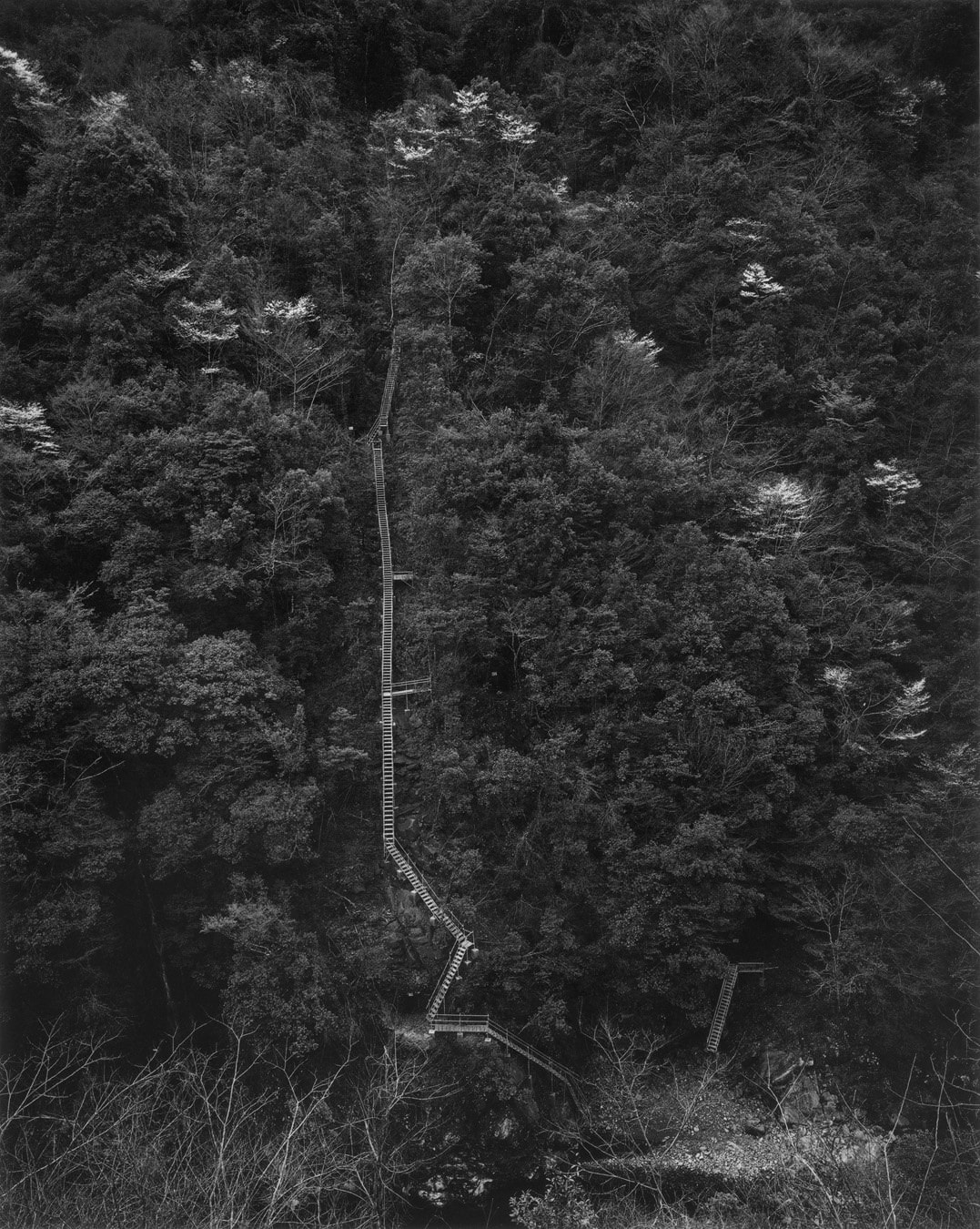
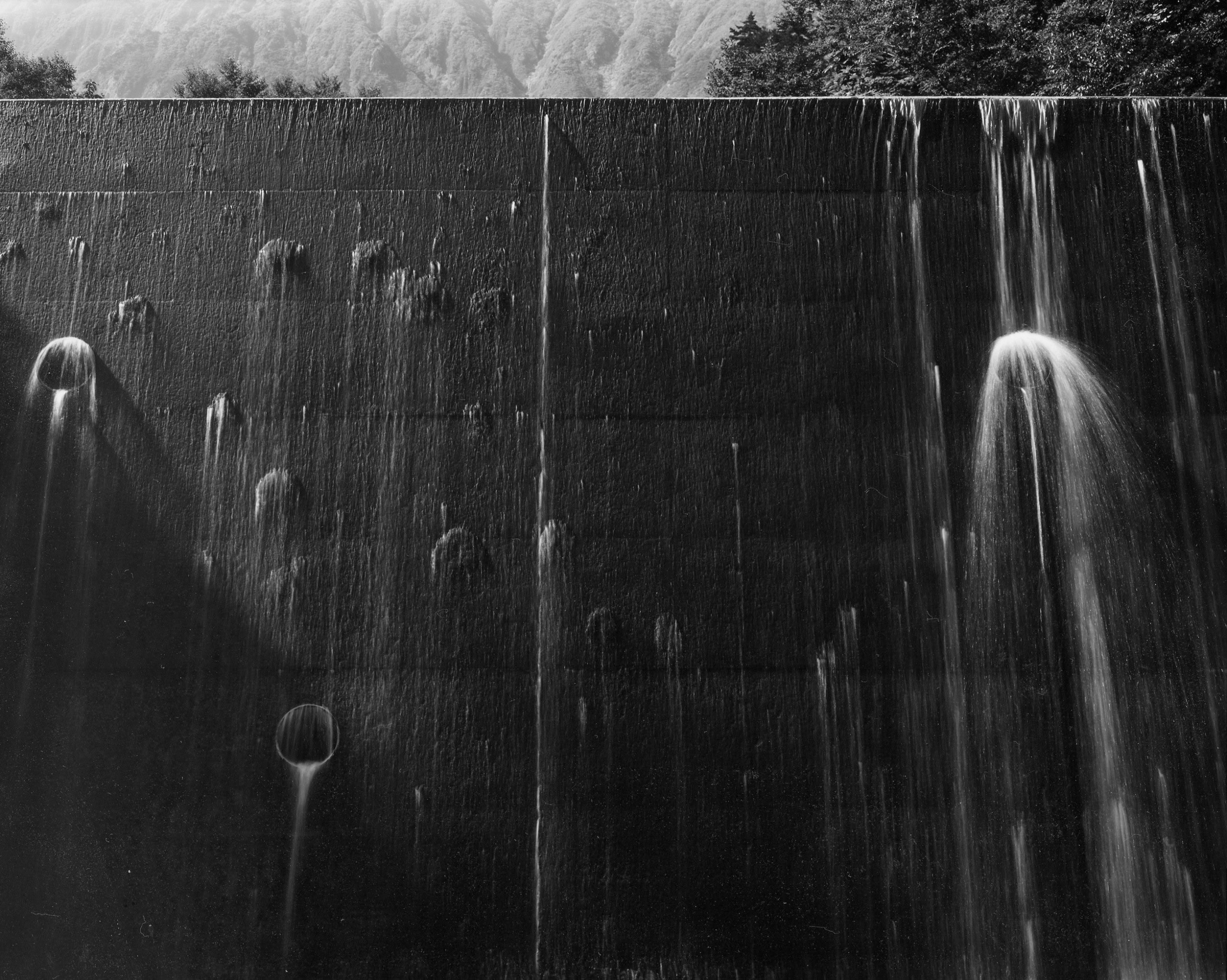
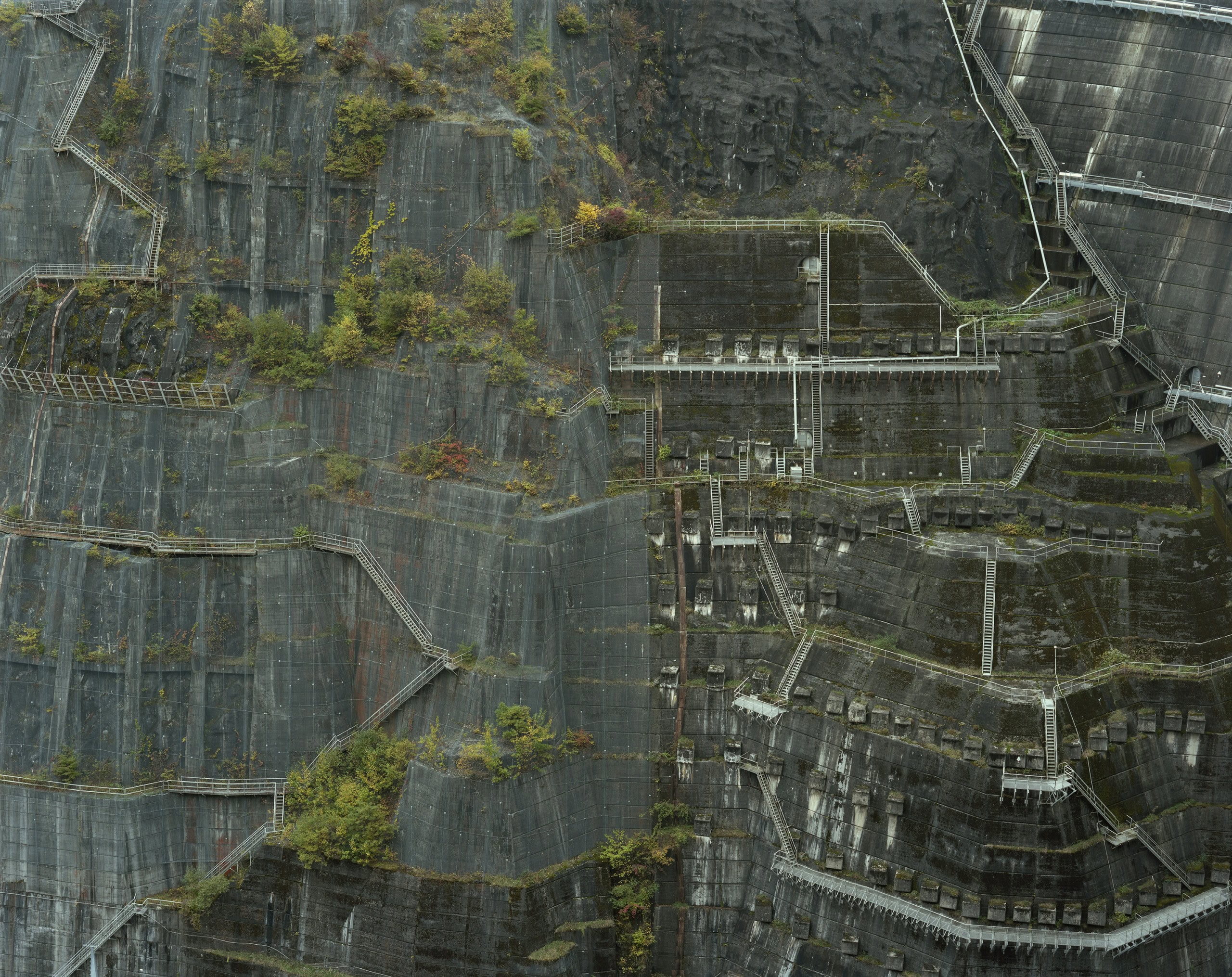
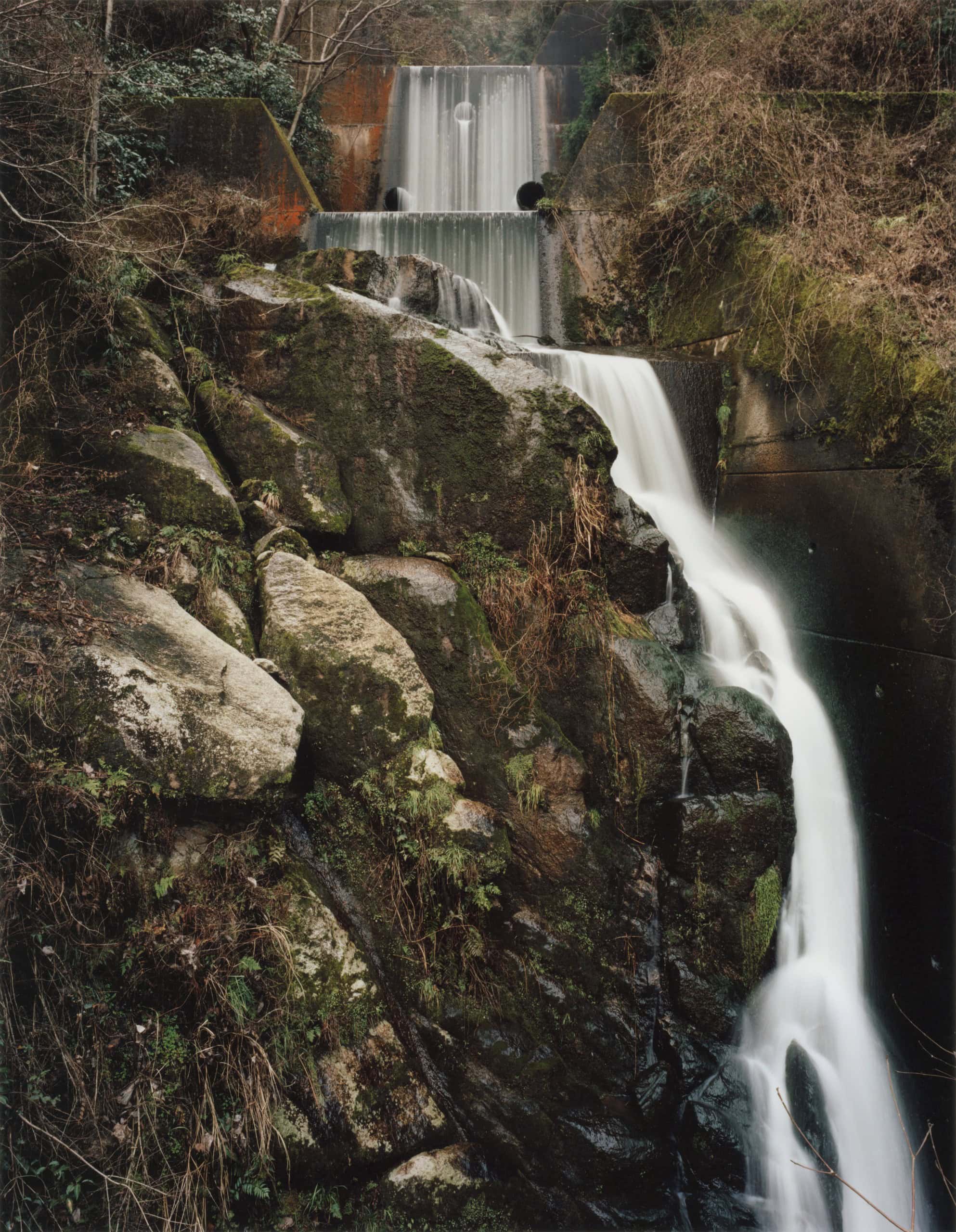
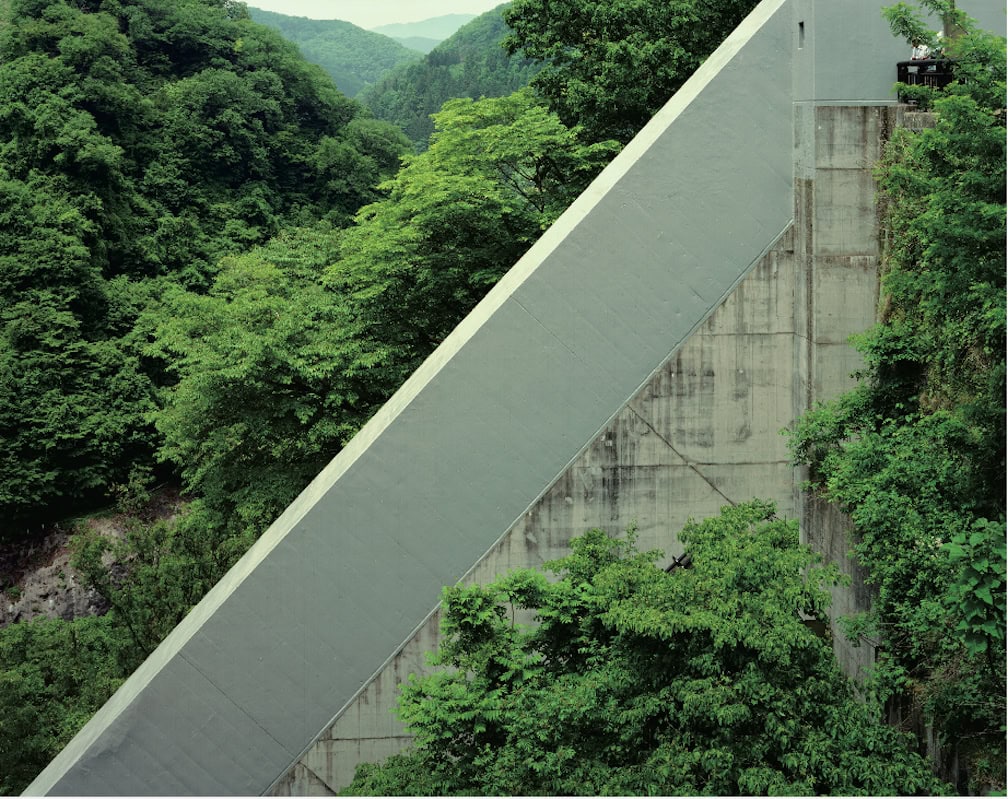
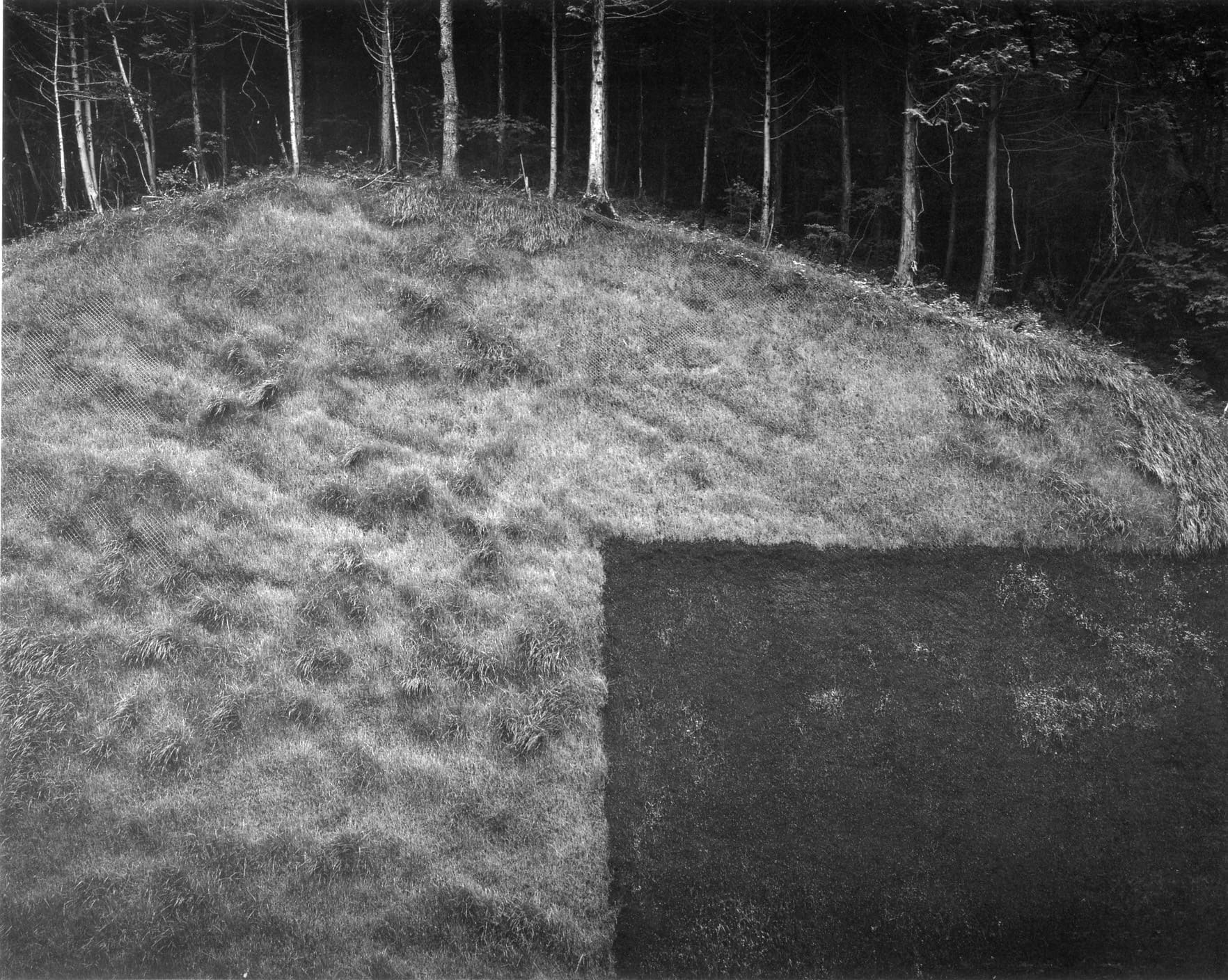
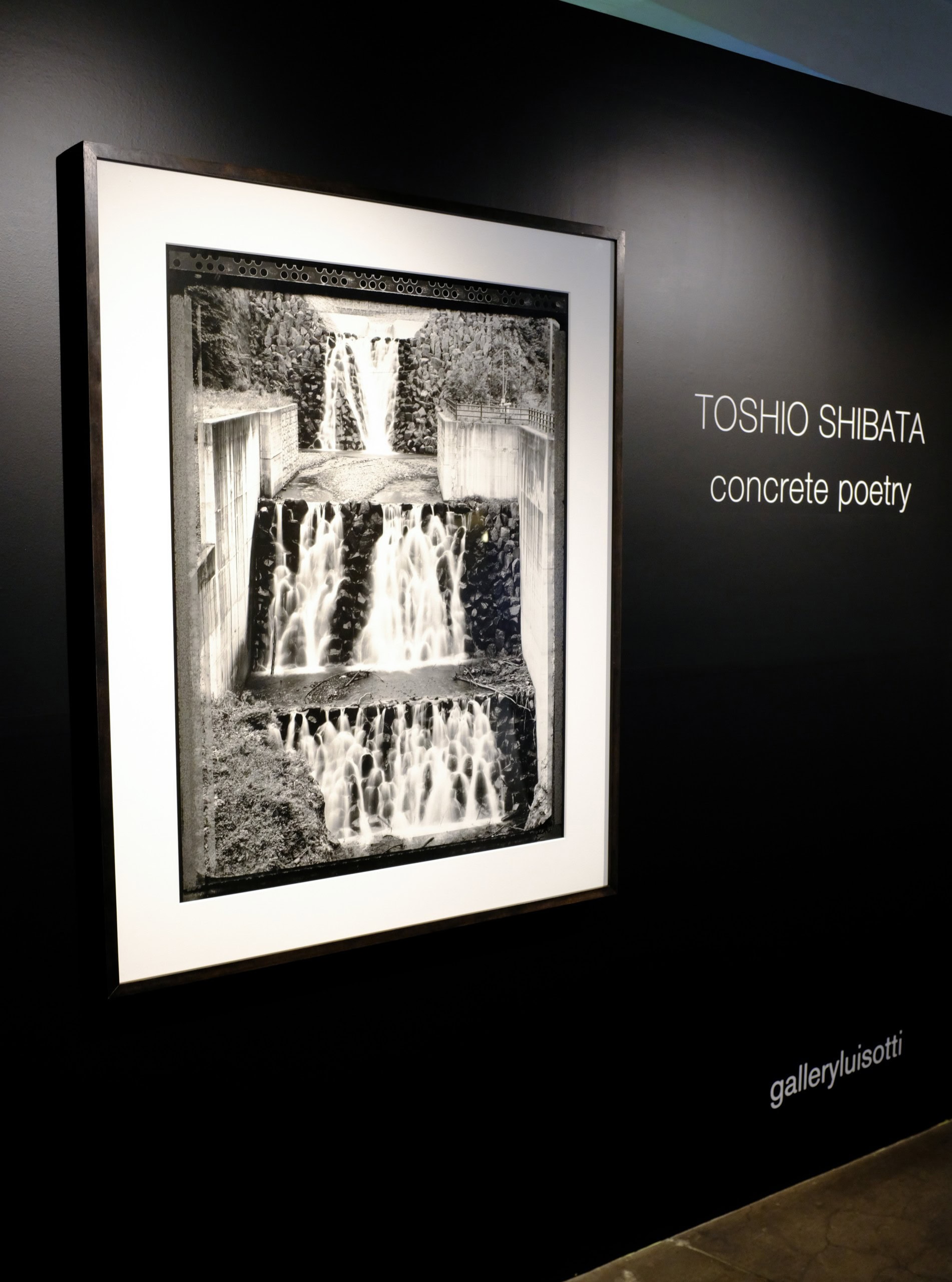
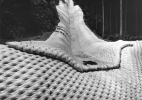
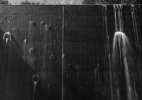
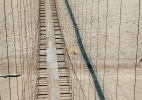
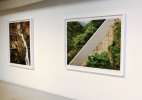
Since the late 1970s, Shibata has focused his attention on landscapes transformed by roads, dams, retaining walls, irrigation channels, and other forms of infrastructure. Rather than approaching these sites as symbols of environmental loss or technological progress, he treats them as opportunities for formal investigation, discovering unexpected beauty within the systems that quietly organize modern life. His photographs reveal a landscape that is neither wholly natural nor entirely constructed, but instead exists in a state of continual negotiation between the two. Through careful framing and a measured reduction of the visual field, Shibata transforms engineered structures and topographical forms into compositions that resonate as strongly with abstraction and minimalism as they do with documentary photography.
Trained initially as a painter, Shibata brings an exceptional sensitivity to composition, pattern, and spatial relationships to his photographic practice. Hillsides become abstract planes, waterways dissolve into rhythmic geometries, and concrete structures acquire an almost sculptural presence. Across decades of work, his photographs maintain a remarkable consistency of vision while continually deepening their engagement with the landscape. The exhibition traces this evolution through both black-and-white and color photographs, revealing how the artist’s celebrated turn to color expanded, rather than departed from, the concerns that have long defined his practice.
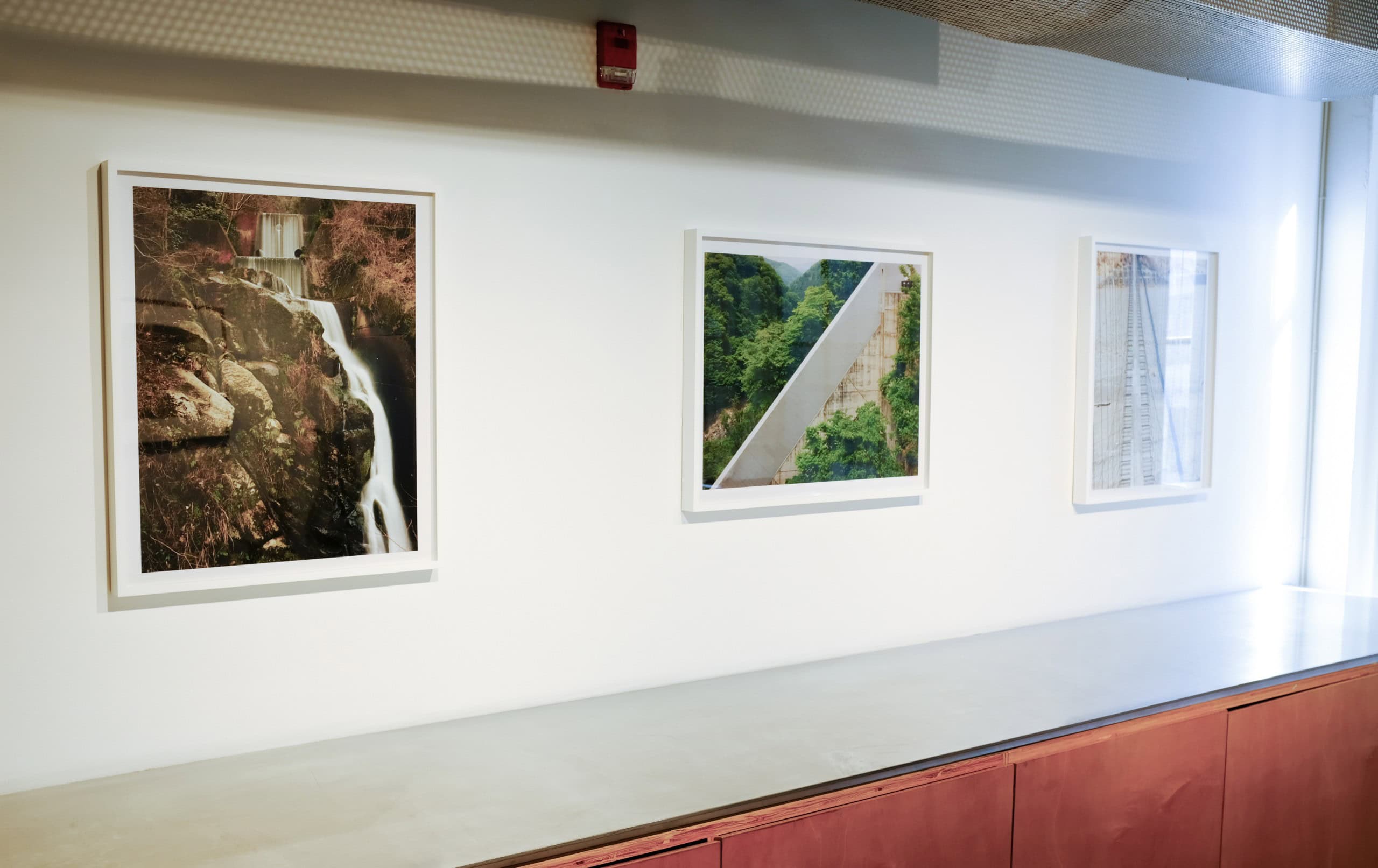
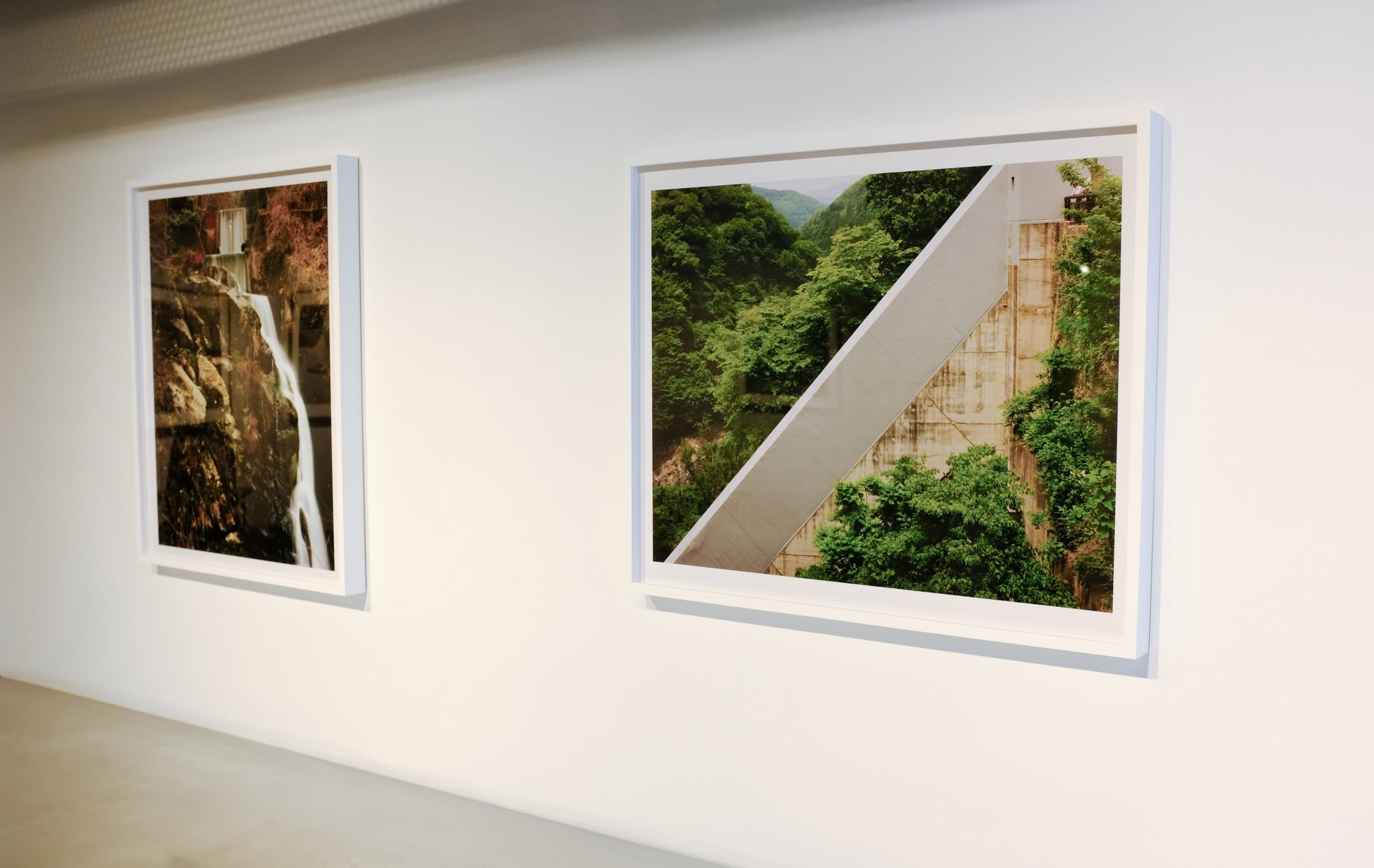
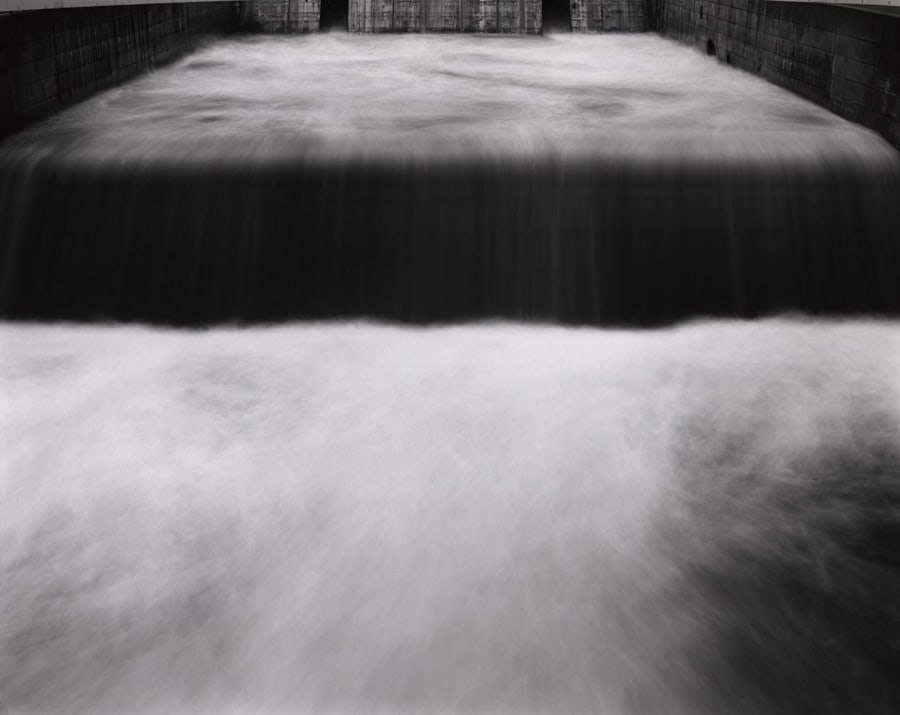
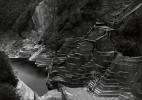
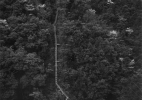
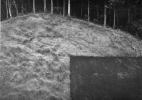
In the black-and-white works, tonal contrast and graphic structure emphasize the formal interplay between nature and the built environment. The color photographs introduce a heightened sensitivity to atmosphere, texture, and surface, where weathered concrete, dense vegetation, flowing water, stains, cracks, and overgrowth reveal infrastructure not as fixed or authoritative, but as something equally subject to time, erosion, and transformation. Together, these photographs suggest a landscape shaped by reciprocal forces, where human intervention and natural processes remain inseparable.
Surveying more than thirty years of photographic practice, this exhibition offers a rare opportunity to experience the remarkable coherence of Shibata’s artistic vision. Across changing technologies, formats, and bodies of work, his photographs continue to challenge conventional distinctions between landscape and architecture, description and abstraction, permanence and change. What emerges is a nuanced meditation on humanity’s enduring attempt to negotiate, contain, and coexist with the forces of the natural world.
Toshio Shibata (b. 1949, Tokyo, Japan) studied painting at the Tokyo University of the Arts before turning to photography in the early 1970s. Over the past five decades, he has become internationally recognized for his photographs of landscapes shaped by human intervention, particularly the infrastructure and engineering projects that mediate the relationship between nature and the built environment. Shibata’s work has been the subject of numerous solo exhibitions worldwide and is held in the collections of the Museum of Modern Art, New York; the Metropolitan Museum of Art, New York; the San Francisco Museum of Modern Art; the J. Paul Getty Museum, Los Angeles; and many other major institutions.