
Lewis Baltz
Selected Works
On behalf of our current exhibition Lewis Baltz: The Deaths in Newport, we are are pleased to share a selection of available work by the artist.
Included are Continuous Fire, Polar Circle, 1985, early Prototype Works (1965–1976), Italian Night Color Works, 1988-92, as well as a selection of The New Industrial Parks, Near Irvine, California, 1974.
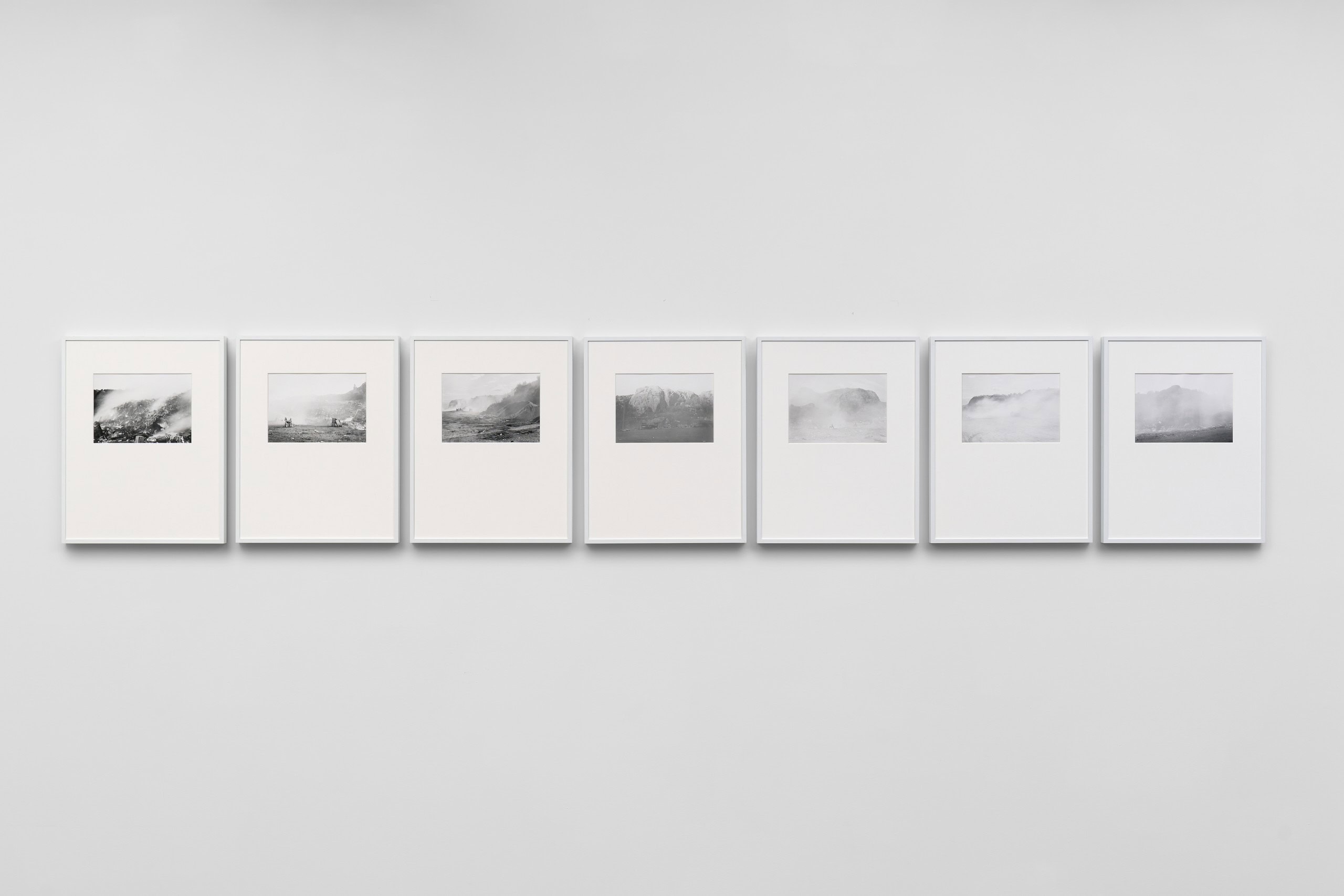
Lewis Baltz
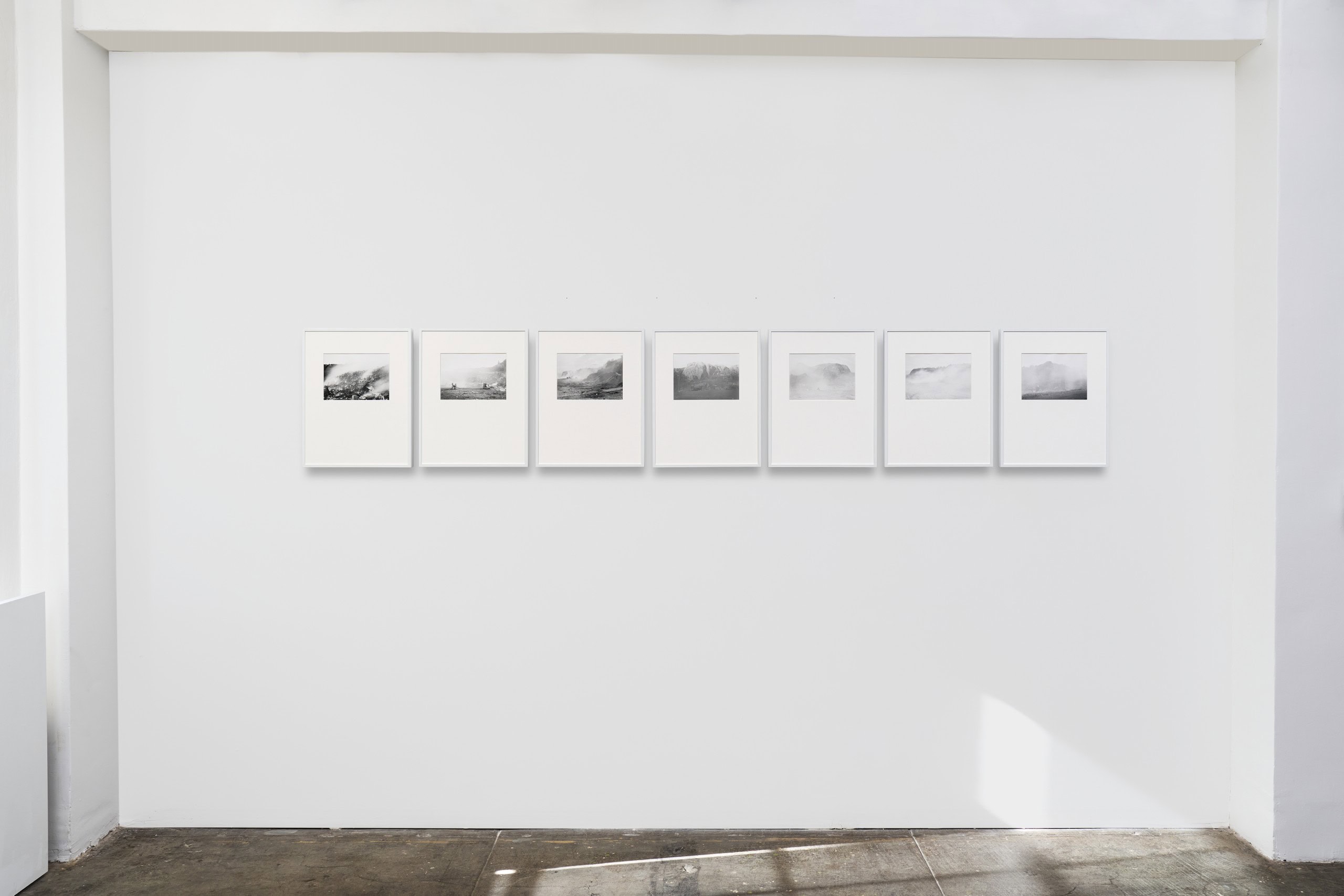
Continuous Fire, Polar Circle, 1985
Portfolio of 7 vintage gelatin silver prints in a black cloth clamshell box
7 – 8 x 10 inches
Edition 2 of 12
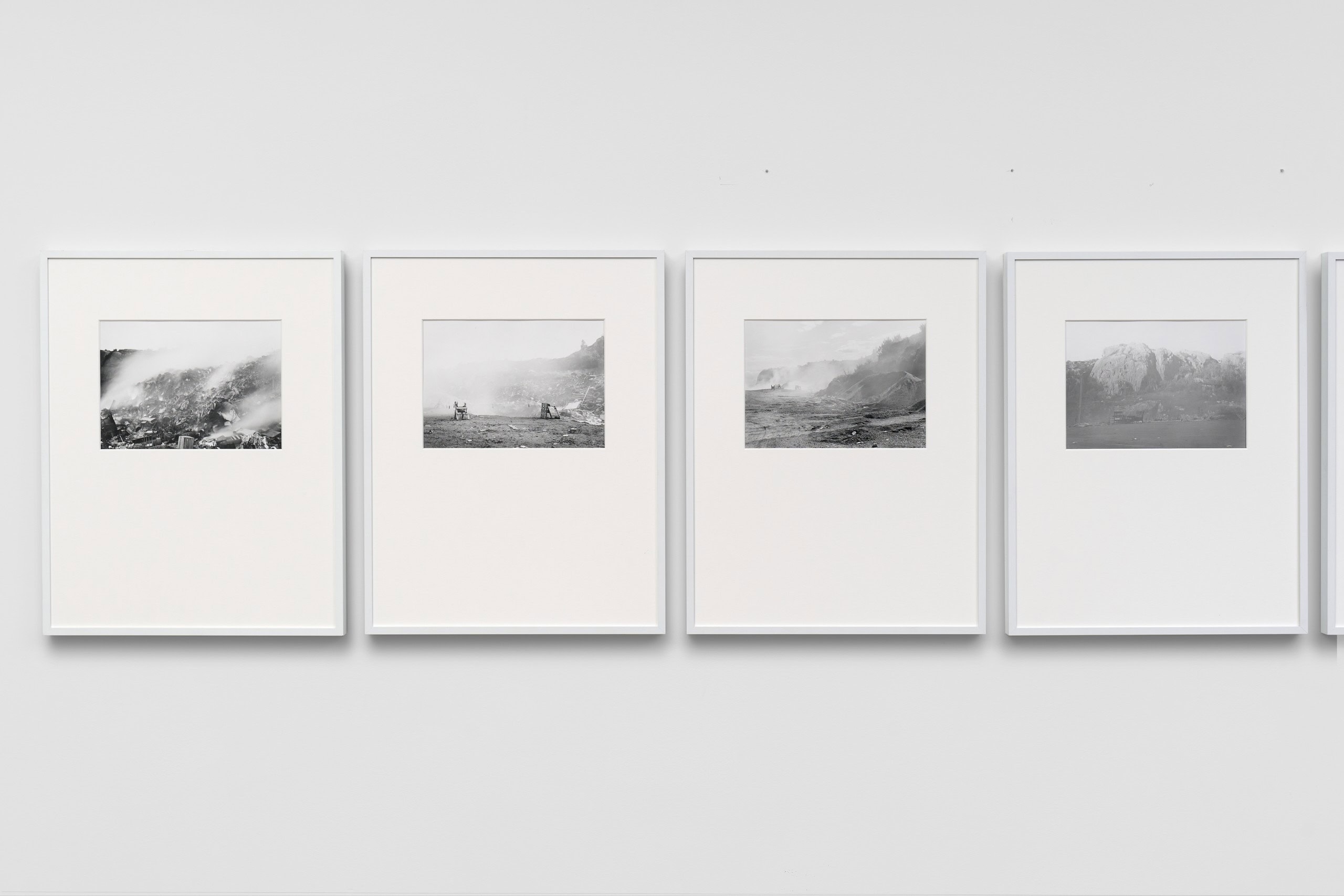
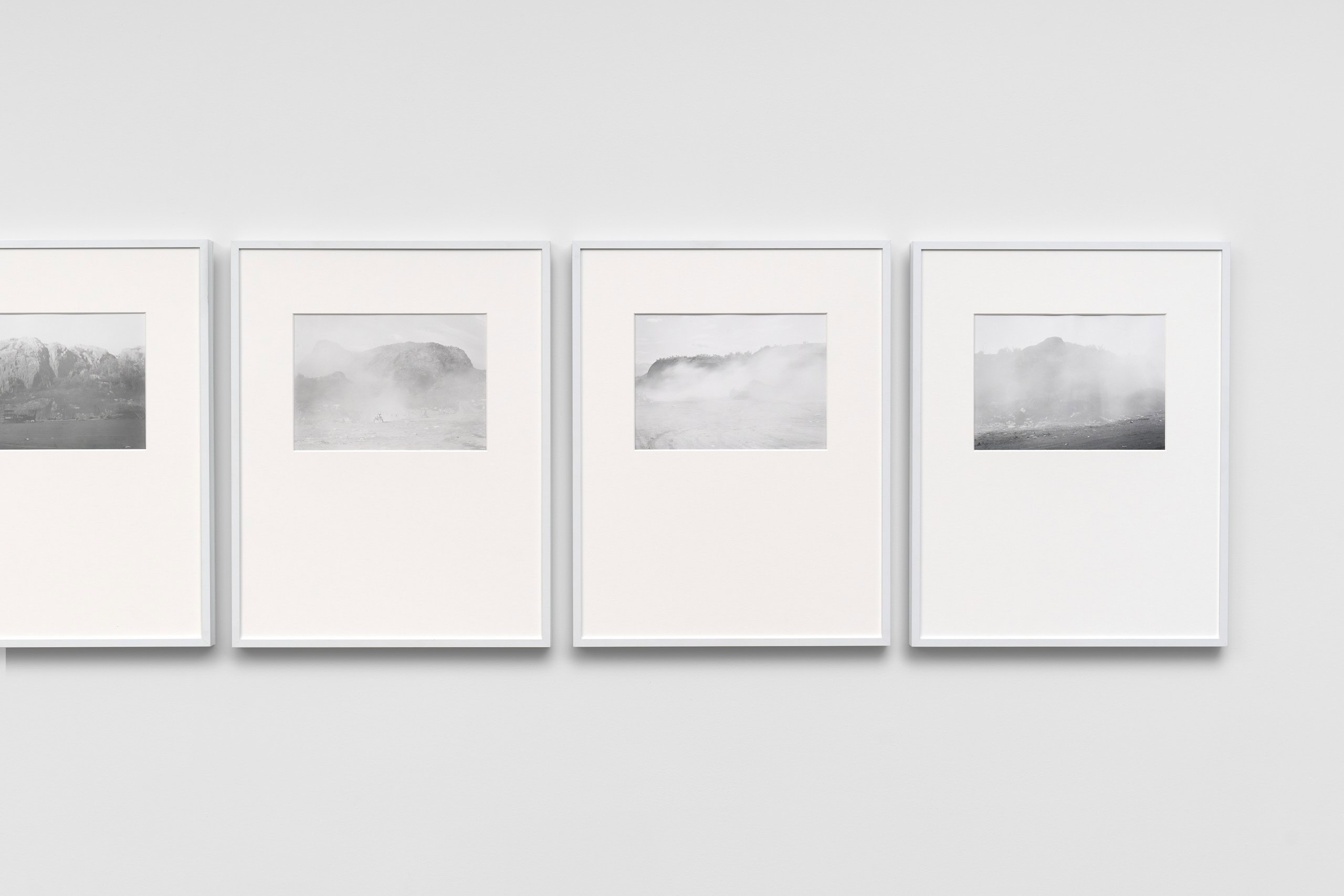
Lewis Baltz’s Continuous Fire, Polar Circle (1985) distills his signature precision into a haunting meditation on environmental ruin. Across seven gelatin silver prints made in Norway, Baltz captures smoldering mounds of waste at the earth’s edge—landscapes both sublime and desolate. The series extends his New Topographics vision into the realm of entropy, where human intervention and natural process merge in quiet catastrophe. Stark yet lyrical, Continuous Fire, Polar Circle transforms industrial decay into a formal language of beauty and critique—an essential work for collectors of late-20th-century photographic minimalism and conceptual landscape.
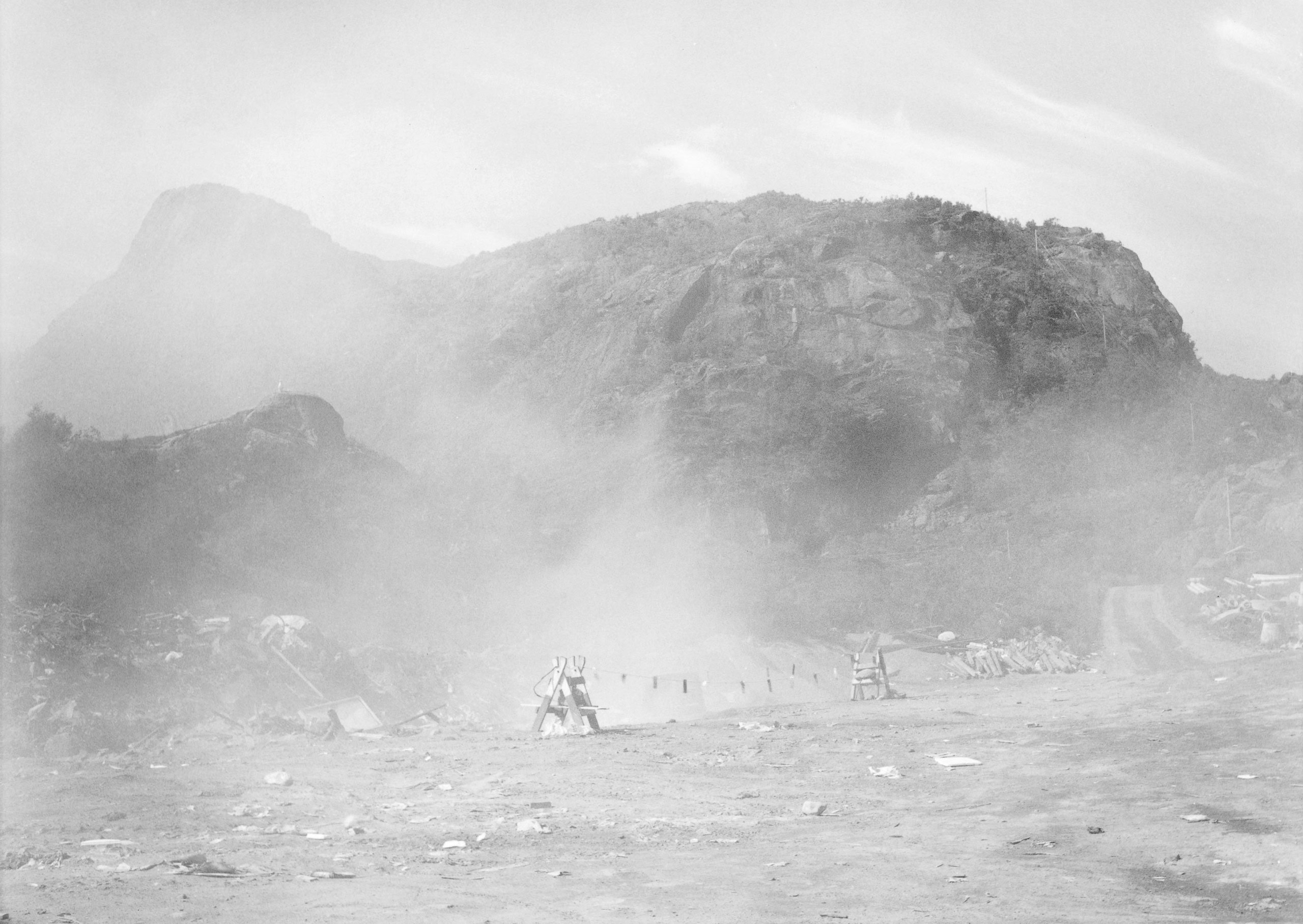
Lewis Baltz
Continuous Fire, Polar Circle, 1985 (detail)
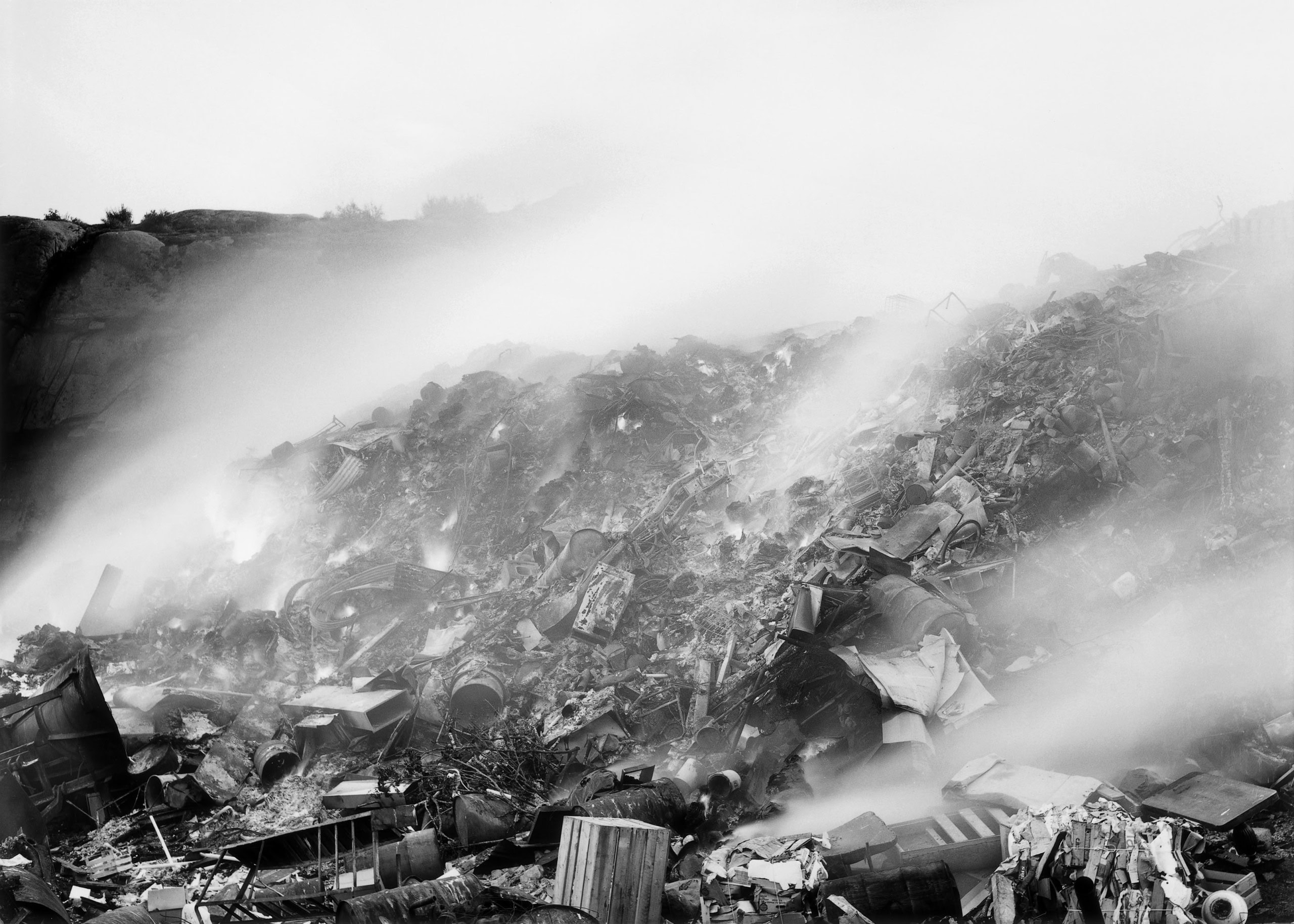
Lewis Baltz
Continuous Fire, Polar Circle, 1985 (detail)
The gallery is elated to offer two of Lewis’ early Prototype works, both made in Laguna Beach in 1969. One of these has never been available for acquisition before now. As early works in the series, they have stunning features like being double mounted, clipped, and with the edges lined in black India ink. These artistic choices combine to give the photographs more dimension and are more like minimalist objects.
Prototype Works (1965–1976), Lewis Baltz turns his camera toward the unremarkable—blank façades, lettered signs, parking pads, doors, and windows to surface a new visual grammar of modernity. Rendered in spare, high-contrast black-and-white, each image is composed with cool precision. Baltz erases human presence to foreground surfaces, geometry, and the silent tension between structure and void. By isolating these “prototypes” of everyday architecture, Baltz reorients our gaze: the banal becomes emblematic, the overlooked becomes foundational. The series anticipates his later industrial and environmental critiques, positioning the built world not as backdrop, but as subject. Prototype Works is both a study in photographic minimalism and a conceptual excavation of mid-century American visual culture—an essential chapter in Baltz’s trajectory and a compelling anchor in any exhibition of modern photographic vision.
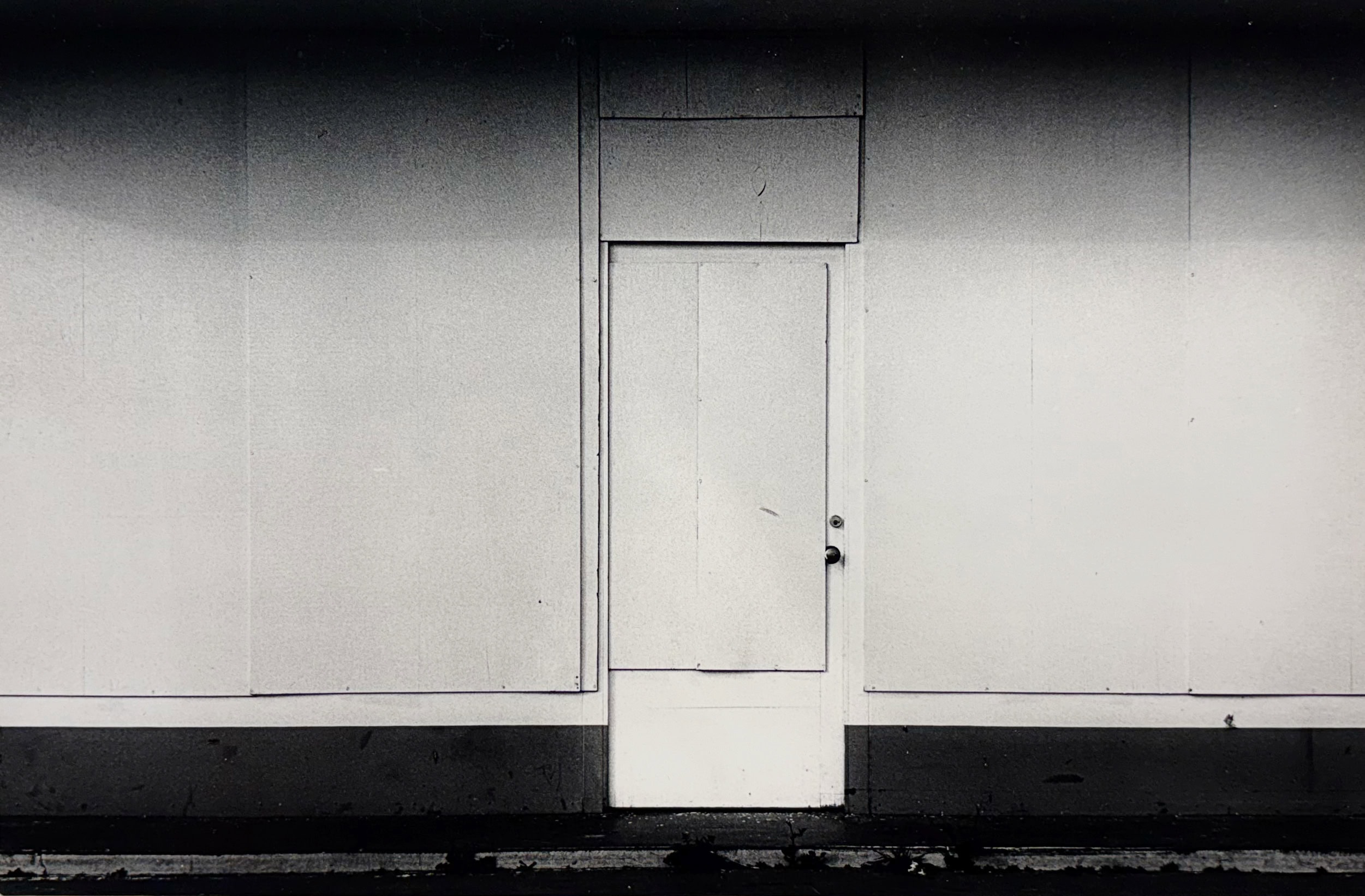
Lewis Baltz
Laguna Beach A, 1969
Vintage gelatin silver print, dry mounted to photo paper with corners clipped and lined with India ink, mounted on rag board
5 x 7 inches
Uneditioned, vintage
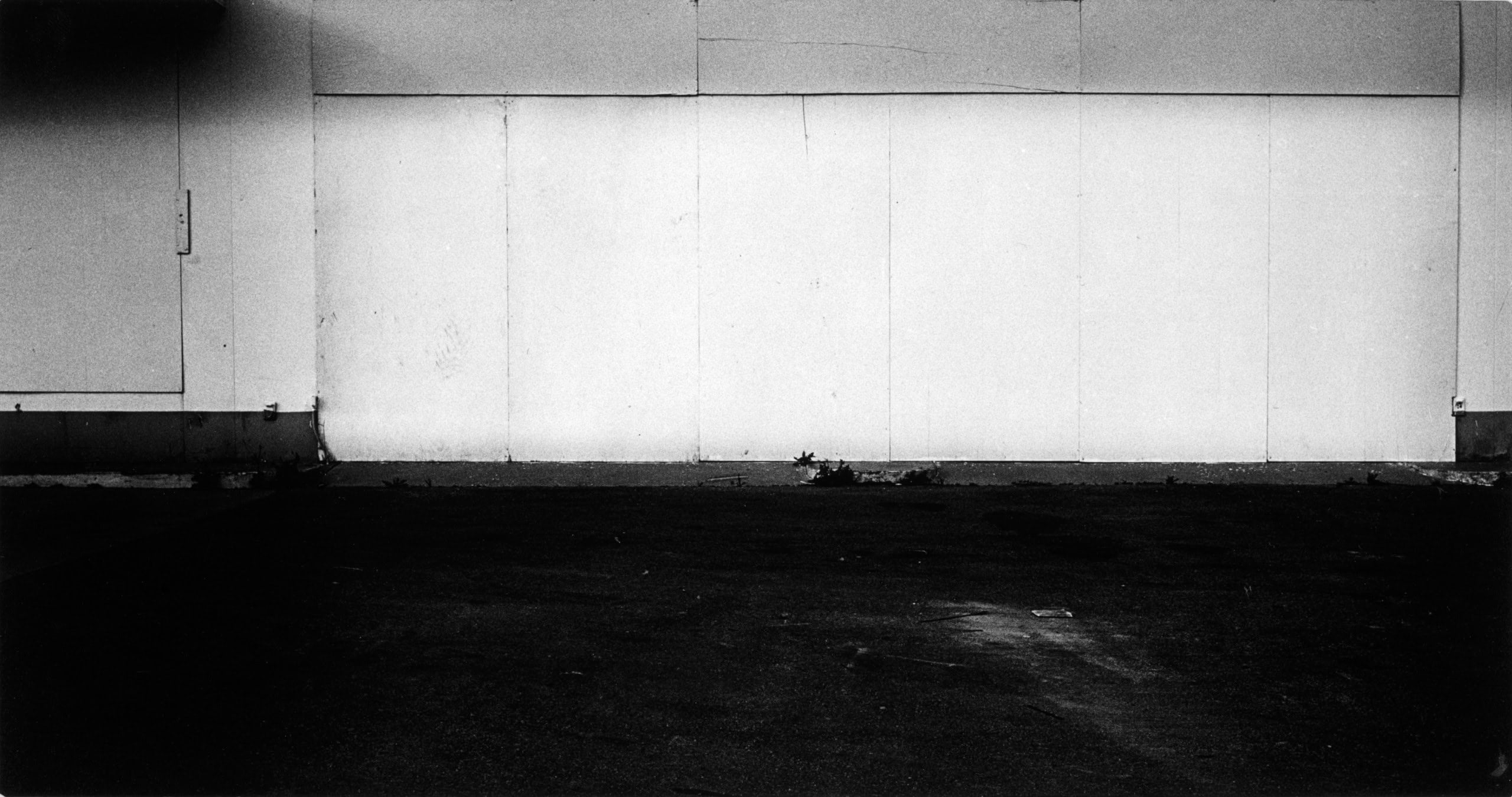
Lewis Baltz
Laguna Beach B, 1969
Vintage gelatin silver print, dry mounted to photo paper with corners clipped and lined with India ink, mounted on rag board
5 x 7 inches
Uneditioned, vintage
Italian Night Color Works, 1988-92. The European architectural views by Lewis Baltz, made around 1990, differ strikingly from the bleak landscapes that cemented his reputation in the mid-1970s, when he emerged as part of the New Topographics movement. These more recent works introduce an off-center vantage point, color, great size, and an emphatic sense of time’s passage, evident in the form of blurred taillights and other atmospheric inclusions. Motivating these changes was Baltz’s growing interest in public space as regulated by private development and governmental control: for example, the proliferation of outdoor surveillance cameras. There is no life outside these Verona Walls…quotes a line from Shakespeare’s Romeo and Juliet, and was made in an industrial zone outside Verona.

Lewis Baltz
There is no life outside these Verona Walls…, 1988
Cibachrome diptych
2 – 50 x 75 inches (100 x 75 inches overall)
Edition 3 of 5
The New Industrial Parks, Near Irvine California, 1974. As a young photographer, Lewis Baltz became fascinated by the stark, sometimes repellent, manmade landscapes fast replacing the mostly agrarian Southern California. The photos he made became a portfolio, New Industrial Parks Near Irvine, California, and when they were first published in 1974, Baltz was hailed as the father of a new way of thinking which resonated with photographers around the world. The Topographic movement unflinchingly details the landscape of construction sites and suburban sprawl, turning utilitarian, anti-artistic sites into works of strange, minimalist beauty.
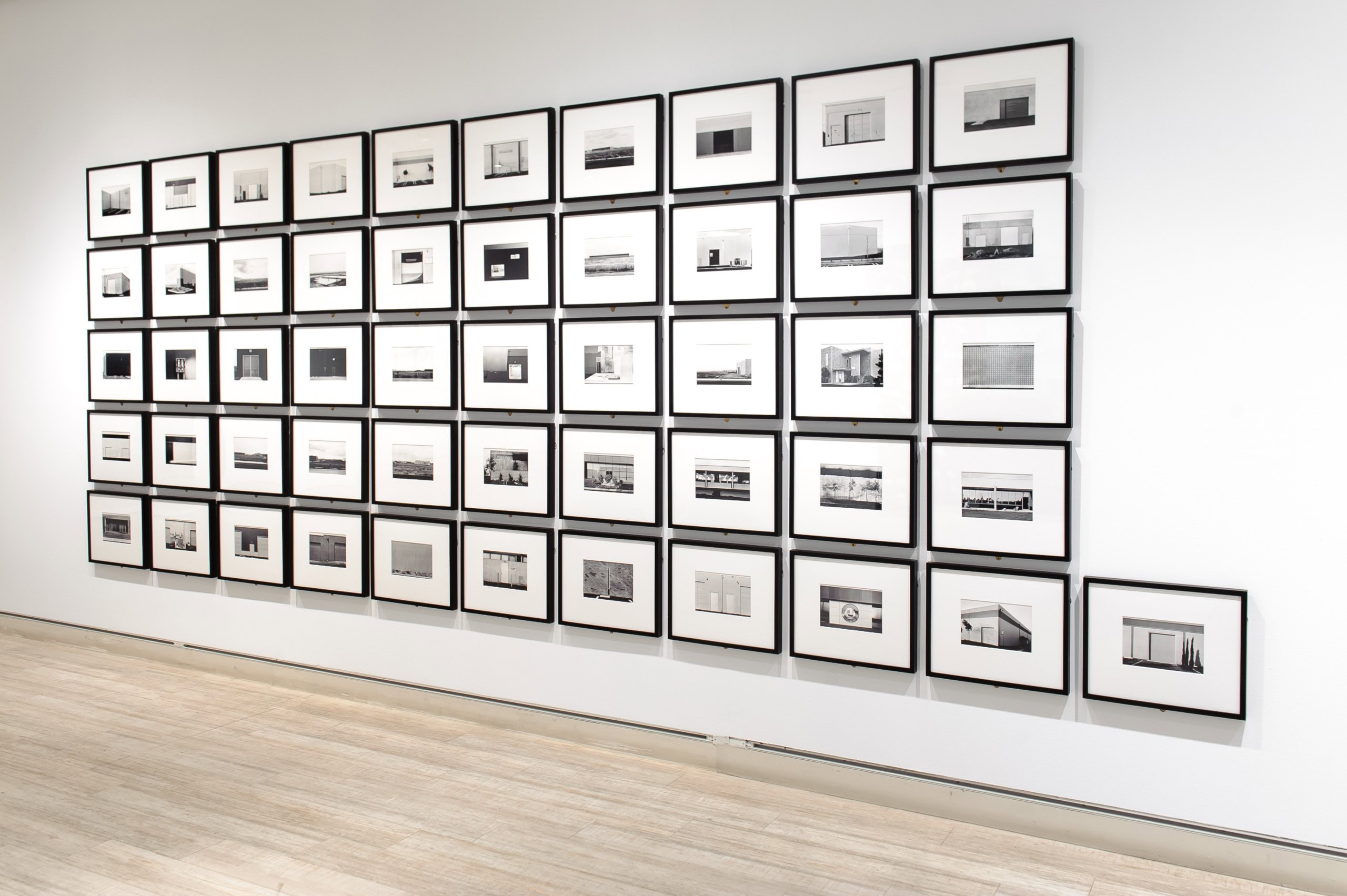
Lewis Baltz, The New Industrial Parks Near Irvine, California, 1974
Installation
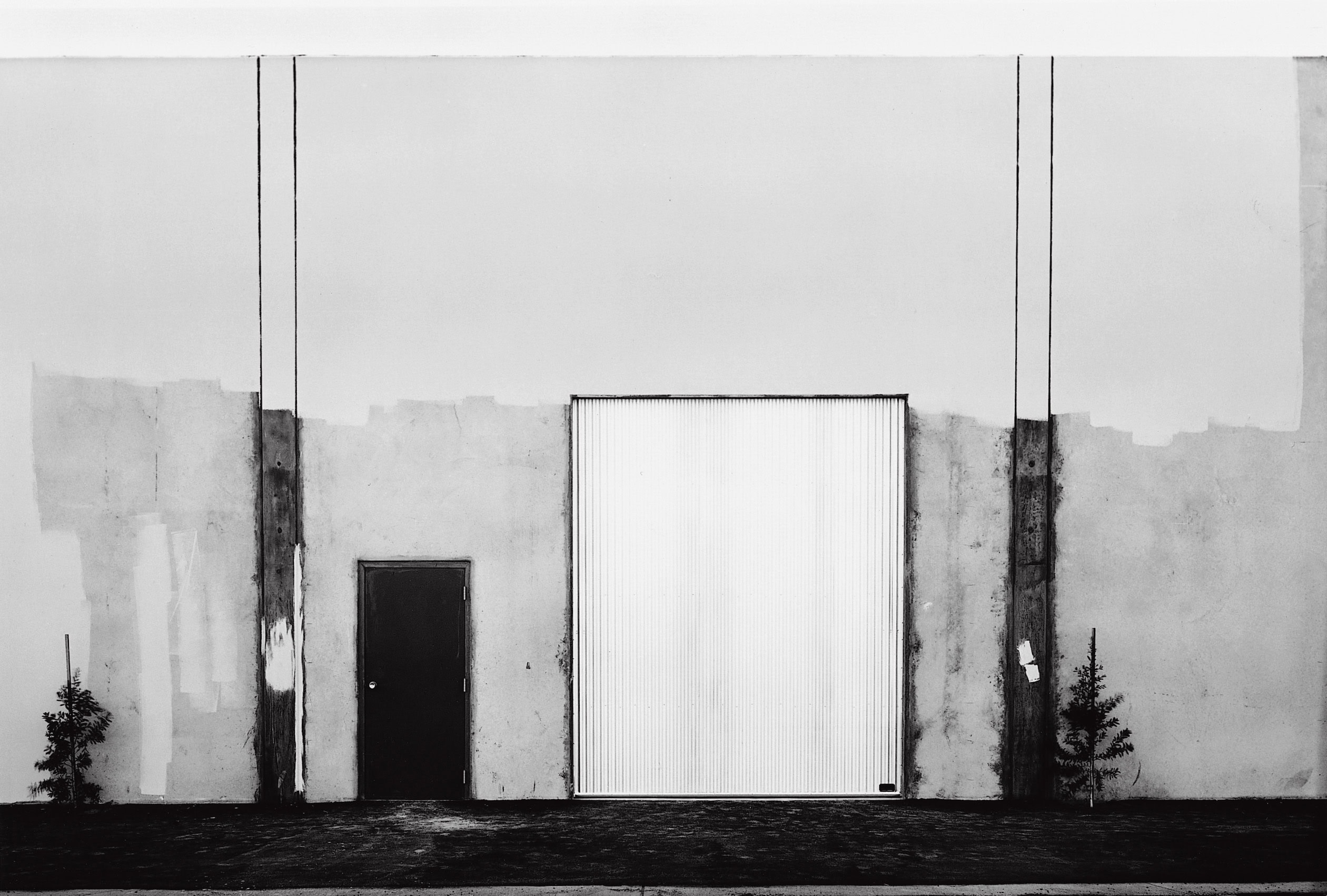
Lewis Baltz
The New Industrial Parks Near Irvine, California, Element #3, 1974
Gelatin Silver Print
8 x 10 in
Lewis Baltz
The New Industrial Parks Near Irvine, California, Element #2, 1974
Gelatin Silver Print
8 x 10 in
Lewis Baltz (1945–2014) was a pivotal figure in postwar American photography whose work redefined the conventions of landscape representation. Emerging in the context of the landmark 1975 exhibition New Topographics: Photographs of a Man-Altered Landscape, Baltz developed a rigorous, conceptually driven practice that rejected the romanticism of traditional landscape photography in favor of a cool, forensic examination of the built environment.
Working primarily in serial form, Baltz produced austere black-and-white photographs of industrial parks, suburban tracts, and marginal spaces shaped by late-capitalist expansion. Projects such as The Tract Houses (1971) and The New Industrial Parks near Irvine, California (1974) exemplify his precise visual language—marked by stark tonal control, repetition, and an exacting attention to surface—through which architecture becomes a proxy for broader systems of power, control, and anonymity. His images are notable for their restraint and clarity, offering neither overt critique nor sentiment, yet revealing the psychological and environmental consequences embedded within these seemingly neutral spaces.
In later decades, Baltz expanded his practice to include color, video, and large-scale installations, often working in Europe and engaging more directly with the intersections of technology, surveillance, and global capital. Across his career, he remained deeply attuned to the ways in which contemporary landscapes are constructed, mediated, and experienced.
Baltz’s work is held in major public collections including the Museum of Modern Art, New York; the San Francisco Museum of Modern Art; the J. Paul Getty Museum, Los Angeles; the Centre Pompidou, Paris; and the Tate, London.
Lewis Baltz
Continuous Fire, Polar Circle, 1985
Portfolio of 7 vintage gelatin silver prints in a black cloth clamshell box
7 – 8 x 10 inches
Edition 2 of 12
INQUIRE
By sharing your details you agree to our Privacy Policy and Terms and Conditions.
Lewis Baltz
Laguna Beach A, 1969
Vintage gelatin silver print, dry mounted to photo paper with corners clipped and lined with India ink, mounted on rag board
5 x 7 inches
Uneditioned, vintage
INQUIRE
By sharing your details you agree to our Privacy Policy and Terms and Conditions.
Lewis Baltz
Laguna Beach B, 1969
Vintage gelatin silver print, dry mounted to photo paper with corners clipped and lined with India ink, mounted on rag board
5 x 7 inches
Uneditioned, vintage
INQUIRE
By sharing your details you agree to our Privacy Policy and Terms and Conditions.
Lewis Baltz
The New Industrial Parks Near Irvine, California, Element #2, 1974
Gelatin Silver Print
8 x 10 in
INQUIRE
By sharing your details you agree to our Privacy Policy and Terms and Conditions.
Lewis Baltz
The New Industrial Parks Near Irvine, California, Element #3, 1974
Gelatin Silver Print
8 x 10 in
INQUIRE
By sharing your details you agree to our Privacy Policy and Terms and Conditions.
Lewis Baltz
There is no life outside these Verona Walls…, 1988
Cibachrome diptych
2 – 50 x 75 inches (100 x 75 inches overall)
Edition 3 of 5
INQUIRE
By sharing your details you agree to our Privacy Policy and Terms and Conditions.

CJ Heyliger
VVVVVVV, 2020
Carbon Pigment Print
30 x 24 inches, Edition of 7
[07100O1F2]
INQUIRE
By sharing your details you agree to our Privacy Policy and Terms and Conditions.

CJ Heyliger
VVVVVVVV, 2020
Carbon Pigment Print
25.25 x 20 inches, Edition of 7
[0908R2F3]
INQUIRE
By sharing your details you agree to our Privacy Policy and Terms and Conditions.

CJ Heyliger
VVVVVVVVV, 2020
Carbon Pigment Print
25.25 x 20 inches, Edition of 7
[0619O1F8]
INQUIRE
By sharing your details you agree to our Privacy Policy and Terms and Conditions.

CJ Heyliger
VVVVVVVVVV, 2021
Carbon Pigment Print
40 x 50.25 inches, Edition of 5
[0619R5F6]
INQUIRE
By sharing your details you agree to our Privacy Policy and Terms and Conditions.
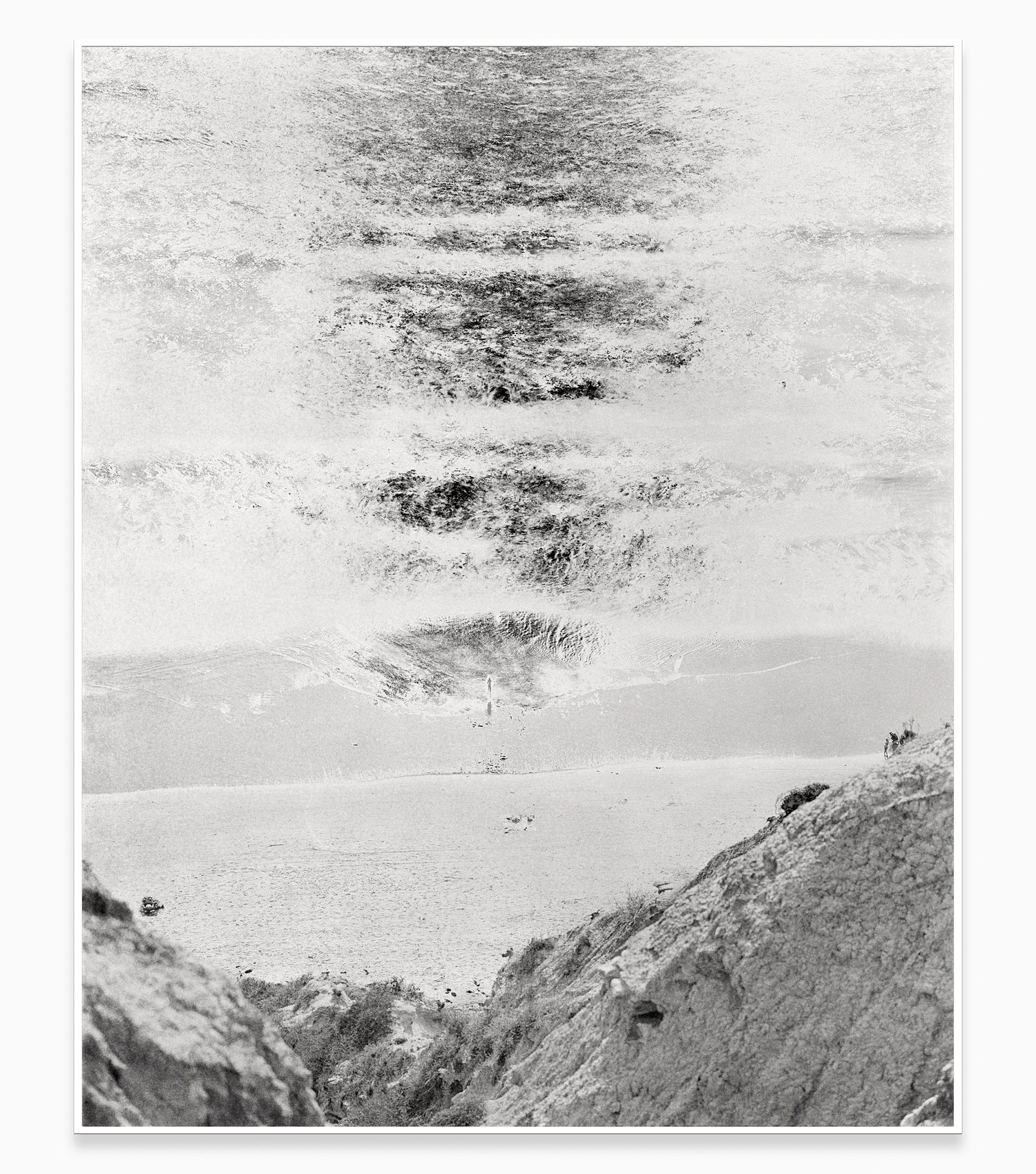
CJ Heyliger
VVVVVVVVVVV, 2021
Carbon Pigment Print
40.5 x 32 inches, Edition of 5
[0425R4F3]
INQUIRE
By sharing your details you agree to our Privacy Policy and Terms and Conditions.

CJ Heyliger
VVVVVVVVVVVV, 2021
Carbon Pigment Print
32 x 40.5 inches, Edition of 5
[0619R5F6]
INQUIRE
By sharing your details you agree to our Privacy Policy and Terms and Conditions.

CJ Heyliger
VVVVVVVVVVVVV, 2019
Carbon Pigment Print
32 x 40.5 inches, Edition of 5
[0929R2F6]
INQUIRE
By sharing your details you agree to our Privacy Policy and Terms and Conditions.

CJ Heyliger
VVVVVVVVVVVVVV, 2018
Carbon Pigment Print
25.25 x 20 inches, Edition of 7
[1110R1F6]
INQUIRE
By sharing your details you agree to our Privacy Policy and Terms and Conditions.